Some medicinal herbs work almost unnoticed, yet support the body in multiple ways. Lady’s mantle is exactly like that. It is most commonly associated with women’s health, but in reality it offers much more: it may support hormonal balance, digestion, elimination processes, and can also be used externally for various inflammatory conditions.
What is lady’s mantle?
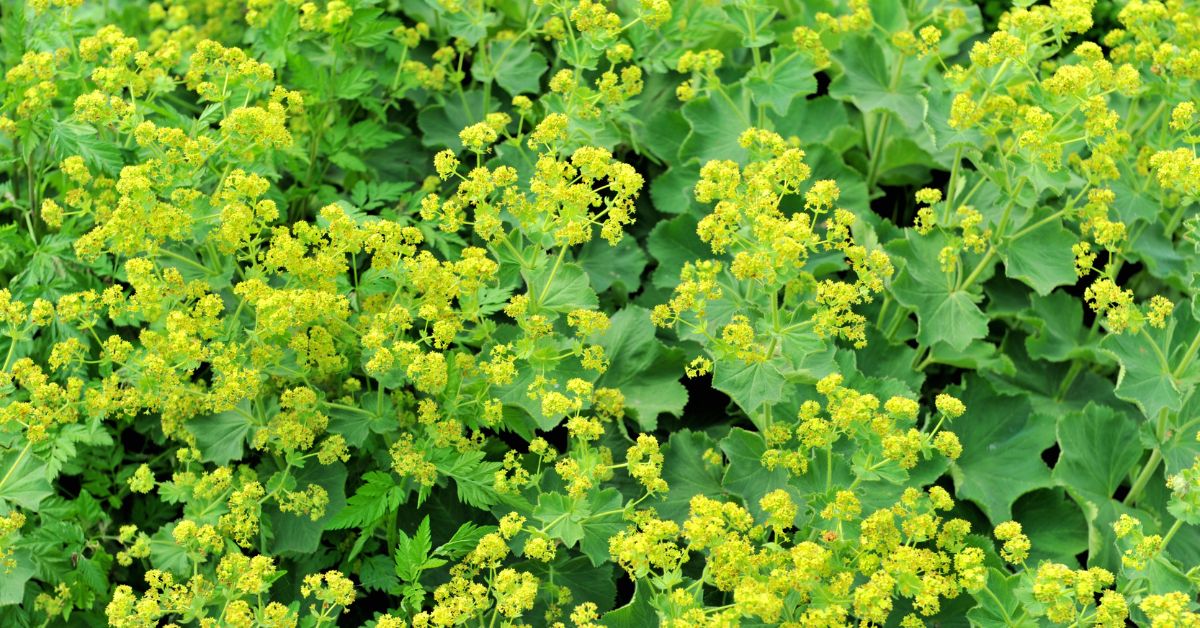
Lady’s mantle (Alchemilla) is a long-known medicinal herb traditionally used in folk medicine mainly for women’s health concerns. In phytotherapy, the following parts are used:
- flowering shoots
- basal leaves
Its active compounds include:
- tannins
- bitter compounds
- flavonoids
Together, these give lady’s mantle its versatile effects.
How does it work?
Lady’s mantle acts through several mechanisms.
Tannins:
- have an astringent effect
- help tighten tissues
- may reduce inflammation and excessive discharge
Flavonoids:
- provide antioxidant effects
- help reduce inflammatory processes
Bitter compounds:
- support digestion
- stimulate bodily functions
In addition, lady’s mantle is believed to have mild hormonal effects, especially in supporting progesterone balance.
Women’s hormonal balance
Lady’s mantle is most often used for menstrual and cycle-related concerns.
It may be helpful for:
- heavy menstruation
- painful menstrual cramps
- irregular cycles
Thanks to its antispasmodic and astringent effects, it may:
- relieve pain
- reduce excessive bleeding
Menopause support
Lady’s mantle may also be useful during menopause.
It may help:
- ease hormonal fluctuations
- reduce uncomfortable symptoms
Its effect is gradual rather than immediate, gently supporting the body’s balance over time.
Vaginal and gynecological concerns
Lady’s mantle can also be widely used externally.
It may help with:
- vaginal discharge
- vaginal infections
- irritation
Common forms of use include:
- sitz baths
- vaginal rinses
- cleansing washes
Its astringent and anti-inflammatory properties may:
- reduce discharge
- support mucosal regeneration
Wounds and skin problems
Lady’s mantle is not only useful for gynecological concerns.
Externally, it may also help with:
- inflamed or infected wounds
- minor skin problems
Its effects may:
- tighten tissues
- support healing
- reduce inflammation
Mild diuretic and antispasmodic effects
Lady’s mantle also has mild diuretic properties.
This may:
- support elimination processes
- help maintain fluid balance
Its antispasmodic effects may be beneficial not only for menstrual cramps, but also for general muscle tension.
How to use it
Tea
- Pour hot water over 1 tablespoon of dried herb
- Let steep for 10–15 minutes
- Drink 1–2 cups daily
External use
- sitz bath
- vaginal rinse
- cleansing wash
The ideal form depends on the specific issue being addressed.
What should you be aware of?
Lady’s mantle is generally well tolerated, but a few considerations are important:
- during long-term use, occasional breaks are recommended
- due to its hormonal effects, it is best used in courses rather than continuously
When should you choose lady’s mantle?
Lady’s mantle may be especially useful if:
- you experience menstrual discomfort
- you want to support hormonal balance
- you have gynecological irritation
- you are looking for a natural solution
Lady’s mantle is a classic yet highly versatile medicinal herb that plays an important role in supporting women’s health. Thanks to its antispasmodic, astringent, and anti-inflammatory effects, it may help with a wide range of complaints.
If you are not looking for a quick symptomatic fix, but rather a gentle yet comprehensive form of support, lady’s mantle is definitely a herb worth incorporating into daily life.