Constipation is far more common than most people talk about. Stress, low fluid intake, a low-fiber diet, or lack of movement can disrupt the natural rhythm of the digestive system within just a few days. In these situations, many people look for a fast yet natural solution. Frangula bark is one of the classic medicinal herbs often used for this purpose, as it may support bowel function in a gentler way. However, it is important to know that it is not intended for long-term use, and proper application matters greatly.
What is frangula bark?
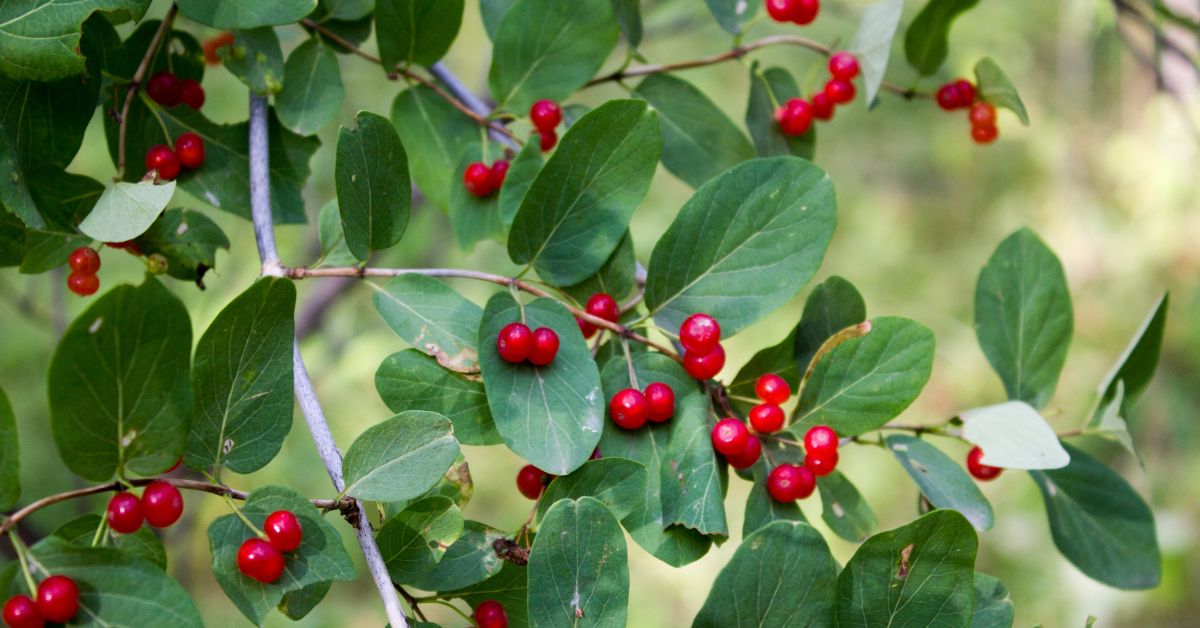
Frangula bark (Frangula alnus Mill.) comes from a shrub widespread across Europe. In phytotherapy, the bark of the plant is used and has long been known as a natural laxative.
Its main active compounds are:
- anthraquinone glycosides
These compounds are responsible for its mild laxative effect.
The bark is not used fresh. Instead, it must undergo proper drying and storage beforehand, as fresh bark may be more irritating to the body.
How does it work?
The active compounds of frangula bark act mainly in the large intestine.
Anthraquinone glycosides:
- stimulate bowel movement
- enhance intestinal activity
- help retain water in the intestines
As a result:
- stool may become softer
- bowel movements may become easier
The effect is not immediate and usually appears:
- 6–12 hours after consumption
For this reason, frangula bark tea is often consumed in the evening.
When can it be used?
Frangula bark is mainly recommended for:
- occasional constipation
- short-term relief
It may be especially useful when constipation develops due to:
- temporarily slowed bowel function
- dietary or lifestyle-related factors
However, it is important to understand that:
- it does not treat the underlying cause
- it only provides temporary support
Why is it considered a “milder” laxative?
Compared to stronger laxatives, frangula bark:
- works more gradually
- does not stimulate the intestines as abruptly
This is why many people consider it a gentler option. Nevertheless, it should not be used excessively.
How to use it
Tea
The most common form of use is tea.
General preparation:
- steep a small amount of dried bark in hot water
- let it sit briefly
- consume in the evening
Since the effect develops hours later, results are usually expected by the next morning.
What should you be aware of?
Contraindicated during:
- breastfeeding
Not recommended during:
- pregnancy
With long-term use:
- the intestines may become dependent on the laxative effect
- normal bowel function may become disrupted
- mineral loss may occur
Therefore, it should only be used:
- for short periods
- occasionally
When is it not the right solution?
Frangula bark is not suitable for every type of constipation.
It is not the best option if:
- constipation is recurrent
- there is an underlying chronic digestive disorder
- long-term lifestyle factors are responsible
In these cases, longer-lasting support is more likely to come from:
- improving the diet
- proper fluid intake
- increasing fiber consumption
- regular physical activity
Why is conscious use important?
Natural origin does not mean unlimited safe use. Frangula bark is a good example of how medicinal herbs can still have strong effects on the body.
When used properly:
- it may provide effective support
- it may help bowel function more gently
But when overused:
- it may create more problems than it solves
Frangula bark is a classic natural laxative herb mainly used for short-term relief of occasional constipation. Thanks to its milder effect, many people choose it when looking for a more natural approach.
The key, however, is mindful use: frangula bark is not meant for everyday consumption, but works best as temporary support.