
Diarrhea is a common and unpleasant complaint that can be triggered by a variety of factors. It may result from dietary indiscretions, stress, certain medications, or even infections. In milder cases, herbal medicine offers several plants that may support the body’s natural recovery processes. One of these is agrimony, which is primarily used for diarrhea because of its high tannin content.
Although agrimony is not among the most widely known medicinal herbs, it has long been valued in herbal medicine for supporting digestive health, particularly in cases of diarrhea. Its astringent, anti-inflammatory, and antibacterial properties may help support recovery in several ways.
What is agrimony?
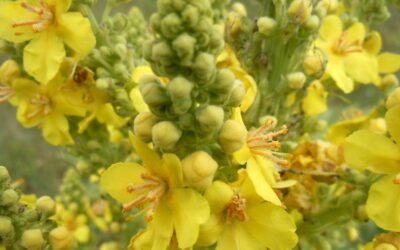
Agrimony (Agrimonia eupatoria) is a medicinal herb belonging to the rose family. In herbal medicine, the following parts are primarily used:
- the herb (aerial parts)
- the flowering tops
Its main active constituents include:
- tannins
- flavonoids
- coumarin derivatives
- essential oil
Among these compounds, tannins play the most important role in the management of diarrhea.
Why can agrimony be helpful for diarrhea?
The most important active compounds in agrimony are tannins, which possess astringent properties.
During diarrhea, the intestinal mucosa often becomes irritated, fluid and electrolyte loss increases, and the permeability of the intestinal lining may rise. Tannins are capable of forming complexes with proteins on the surface of the mucosa, creating a thin protective layer.
This may result in several beneficial effects:
- reduced irritation of the intestinal lining
- decreased excessive secretions
- reduced fluid loss
- support for the regeneration of the intestinal mucosa
For this reason, agrimony is considered one of the classic herbal remedies used to help manage diarrhea.
Anti-inflammatory properties
In many cases of diarrhea, inflammation of the intestinal lining also plays a role.
The flavonoids found in agrimony may help reduce inflammatory processes, thereby supporting mucosal healing and symptom relief.
This may be particularly beneficial in cases of mild gastrointestinal irritation.
Antibacterial and antiviral properties
Laboratory studies suggest that agrimony may possess antibacterial and antiviral activity.
This does not mean that the herb can treat bacterial or viral infections on its own. However, it may support the body’s natural defense mechanisms.
Since some cases of diarrhea are associated with viral or bacterial infections, these properties may also be of interest. Nevertheless, severe infections, high fever, bloody diarrhea, or signs of dehydration always require medical attention.
How is agrimony used?
For diarrhea, agrimony is most commonly consumed as a tea.
Preparing agrimony tea
Pour 200–250 ml (about 1 cup) of boiling water over 1 tablespoon of dried agrimony herb. Cover and allow it to steep for 10–15 minutes.
Strain before drinking.
Recommended dosage:
- 3 cups daily
When using agrimony tea, adequate fluid and electrolyte replacement is particularly important.
Can children use agrimony?
Agrimony is considered a suitable herb for supporting mild diarrhea in children.
However, special attention should always be paid to hydration, as dehydration can develop much more rapidly in young children.
If diarrhea persists or the child’s general condition worsens, medical evaluation is necessary.
What does “potentially photosensitizing” mean?
Agrimony also contains coumarin derivatives.
In some cases, coumarins may increase the skin’s sensitivity to sunlight and ultraviolet (UV) radiation. This is more likely to become relevant with larger amounts or prolonged use.
In practice, this may mean that some sensitive individuals may experience:
- increased skin redness
- heightened reactions to sun exposure
- a greater risk of sunburn
This is not considered one of agrimony’s most common side effects, but it is worth keeping in mind during summer months or periods of intense sun exposure.
Precautions
Although agrimony is generally well tolerated, it is important to remember that diarrhea can sometimes be a symptom of a more serious condition.
Medical attention should be sought if:
- diarrhea persists for more than a few days
- high fever develops
- blood appears in the stool
- signs of dehydration occur
- the affected person is a young child or an elderly adult
Agrimony is one of the most useful tannin-rich medicinal herbs for mild diarrhea. Its astringent properties may support the regeneration of the intestinal lining, reduce fluid loss, and help relieve symptoms. In addition, its anti-inflammatory, antibacterial, and antiviral properties may contribute to the body’s ability to cope with digestive discomfort more effectively.
When used appropriately, agrimony can be a valuable addition to a natural home herbal toolkit for supporting digestive health.