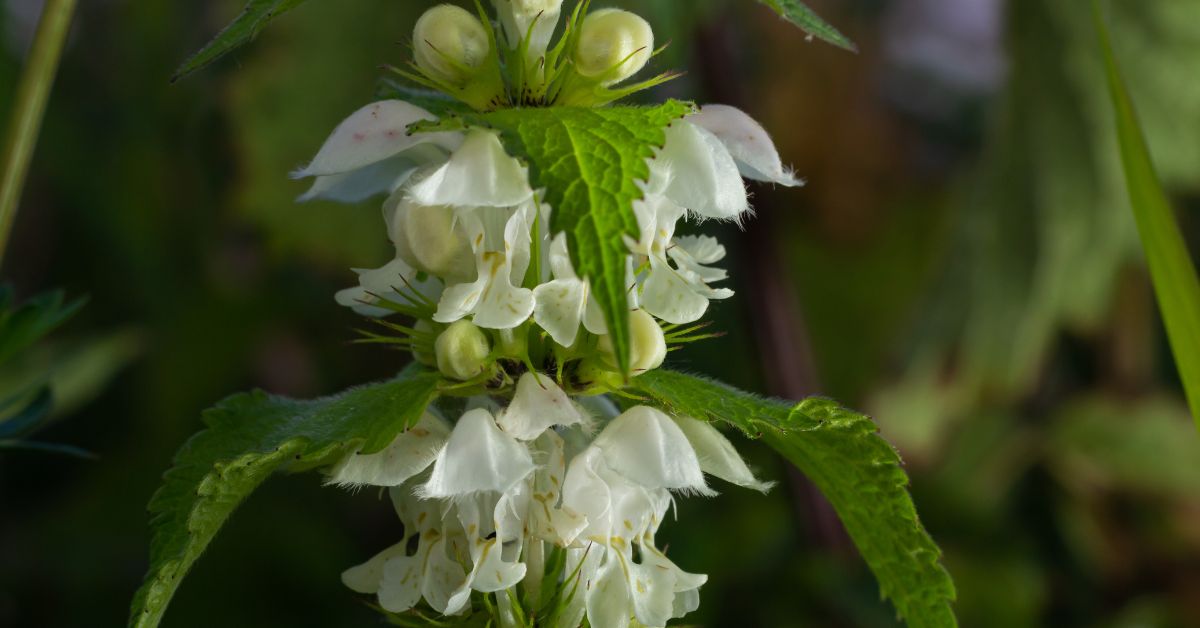
If you’ve ever seen white dead-nettle, chances are you walked past it thinking it was just a weed. Yet this plant is one of the most gently acting, yet versatile medicinal herbs. It doesn’t interfere aggressively with the body’s processes but supports them in a subtle way—making it especially useful for recurring, mild but bothersome complaints. If you are prone to urinary issues, gynecological irritation, or frequent colds, it may be worth taking a closer look.
What is white dead-nettle?
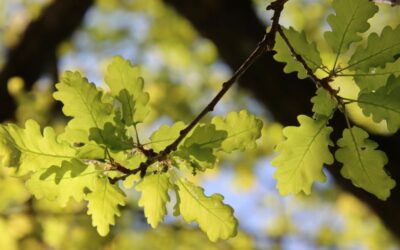
White dead-nettle (Lamium album) is a medicinal plant belonging to the mint family, widely found in Europe and Asia. It resembles stinging nettle in appearance but does not sting.
In phytotherapy, the aerial parts of the plant are used. Its active compounds include:
- iridoid glycosides
- mucilage
- tannins
- flavonoids
- essential oil
Together, these give the plant its gentle yet multifaceted effects.
How does it work?
White dead-nettle is not a “strong” herb but rather has a regulatory effect.
- tannins have an astringent effect, helping protect mucous membranes
- mucilage forms a protective coating, reducing irritation
- iridoid compounds have anti-inflammatory properties
As a result, it both reduces irritation and supports regeneration.
Respiratory complaints – when the throat is irritated
Due to its mild expectorant and anti-inflammatory effects, white dead-nettle can be useful during colds.
It may help with:
- throat irritation
- cough
- mild respiratory inflammation
Consumed as a tea, it supports the clearing of the airways and reduces irritation.
Urinary issues – gentle but useful support
White dead-nettle has mild diuretic properties, helping flush the urinary tract.
It may be used for:
- mild urinary complaints
- recurring irritation
- complementary support
Increased urine production helps eliminate pathogens, which is important for recovery.
Gynecological complaints – a key area of use
White dead-nettle is traditionally considered a “women’s herb.”
It may be used for:
- vaginal irritation
- discharge
- mild inflammation
Thanks to its astringent and anti-inflammatory effects, it is particularly useful as a complementary approach.
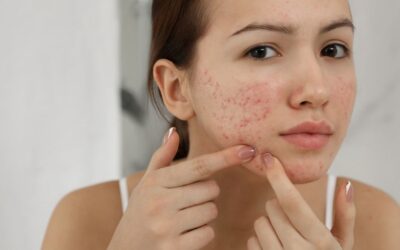
Skin issues – external use
Applied externally, it may help with:
- minor inflammation
- irritation
- sensitive skin
Its active compounds support skin regeneration and reduce inflammation.
Forms of use – how to apply it in practice
Tea:
- pour 200 ml of hot water over 1 tablespoon of dried herb
- let it steep for 10 minutes
- consume up to 3 cups daily as a course
Wash:
- prepare a stronger infusion and apply externally
Bath:
- add a larger quantity of infusion to bath water
Irrigation:
- used in gynecological complaints
Safety considerations
White dead-nettle is generally considered safe, and serious side effects are rare.
However:
- do not rely solely on home remedies for persistent symptoms
- gynecological issues require medical supervision
White dead-nettle is not the strongest herb—but that is exactly its advantage. It works gently, combines well with other herbs, and supports the body in multiple ways. It is especially useful for recurring, mild complaints where subtle, long-term support is needed rather than aggressive intervention.
If you’ve been overlooking it until now, it might be time to see it in a new light.