If you struggle with skin problems or excessive sweating, it’s not always necessary to reach for strong products right away. There are well-known medicinal herbs that offer simple yet effective solutions. Walnut leaves are one of them: versatile and especially useful for external use.
What are walnut leaves?
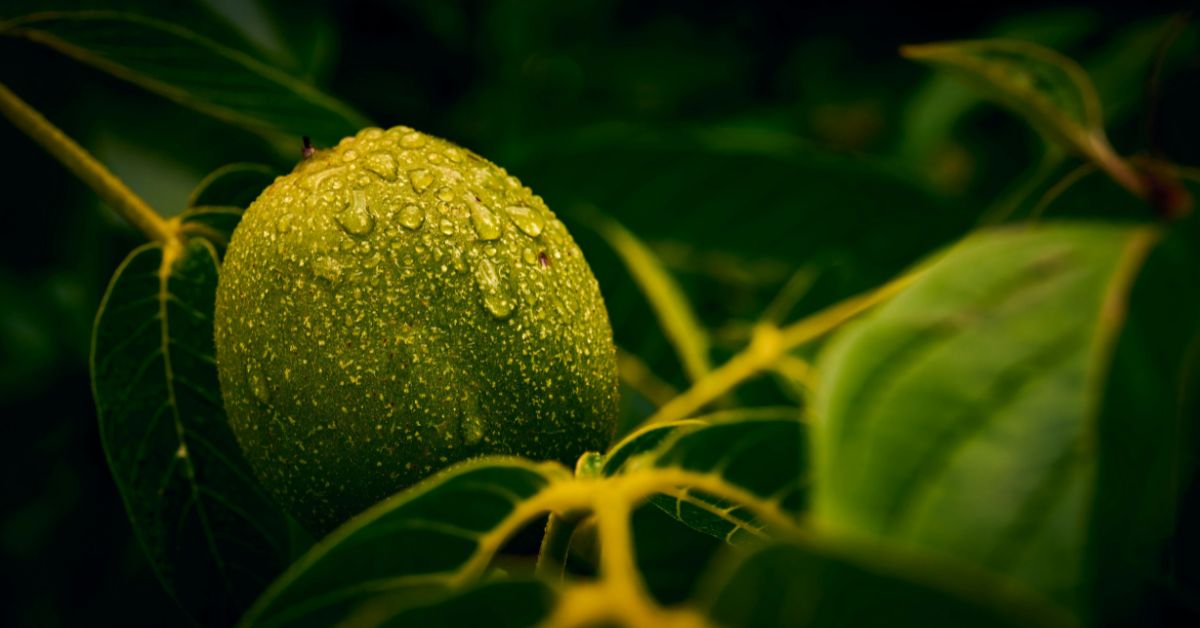
The walnut tree (Juglans regia) is valued not only for its fruit but also for its leaves, which are used in herbal medicine.
Main active compounds:
- tannins
- juglone
- flavonoid glycosides
These components are responsible for the astringent, anti-inflammatory, and mildly antiseptic effects of walnut leaves.
How do they work?
The key to walnut leaves lies in their tannin content. These compounds can tighten tissues, reduce secretion, and protect the skin surface.
In practice, this means:
- reducing inflammation
- decreasing oozing
- supporting skin regeneration
- helping reduce sweating
Juglone also has mild antimicrobial properties, contributing to the cleansing effect.
For skin issues
One of the most common uses of walnut leaves is for skin care.
They may be used for:
- mild skin inflammation
- irritated or sensitive skin
- minor wounds
- eczema-like conditions (as a complementary approach)
Their astringent and anti-inflammatory effects can help reduce discomfort.
How to use them
Apply as a wash or compress. Once cooled, the infusion can be applied with cotton or gauze to the affected area.
Reducing excessive sweating
Due to their astringent properties, walnut leaves are also used to help reduce excessive sweating.
They may be especially useful for:
- foot sweating
- palm sweating
The tannins help reduce perspiration by tightening the tissues.
Application
- as a foot bath
- as a wash
With regular use, noticeable improvement may occur.
Support for hemorrhoids
Walnut leaves may also be used as a complementary approach for hemorrhoids.
They may help:
- reduce inflammation
- decrease swelling
- relieve discomfort
Methods of use:
- sitz bath
- compress
- suppositories (in prepared products)
Important: in more severe cases, medical treatment is necessary.
How to prepare it
Walnut leaves are typically used as an infusion or decoction.
Infusion:
- pour about 250 ml of hot water over 1 tablespoon of leaves
- let it steep for 10–15 minutes
Decoction (often preferred for external use):
- place the leaves in cold water
- bring to a boil and simmer for a few minutes
- allow to cool
The decoction is more concentrated and may be more effective for external application.
Safety considerations
Although natural, walnut leaves are not completely risk-free.
Avoid use in cases of:
- pregnancy
- long-term continuous use
Possible side effects:
- skin irritation
- digestive discomfort with excessive use
- mineral loss due to diarrhea
For this reason, it is best used in courses and in moderation.
Walnut leaves are a simple yet effective medicinal herb, primarily used externally. Whether for skin issues, excessive sweating, or hemorrhoids, they can be a useful complementary solution.
If you want to support your skin naturally or reduce uncomfortable symptoms, walnut leaves can be a good choice — provided they are used properly and in moderation.