
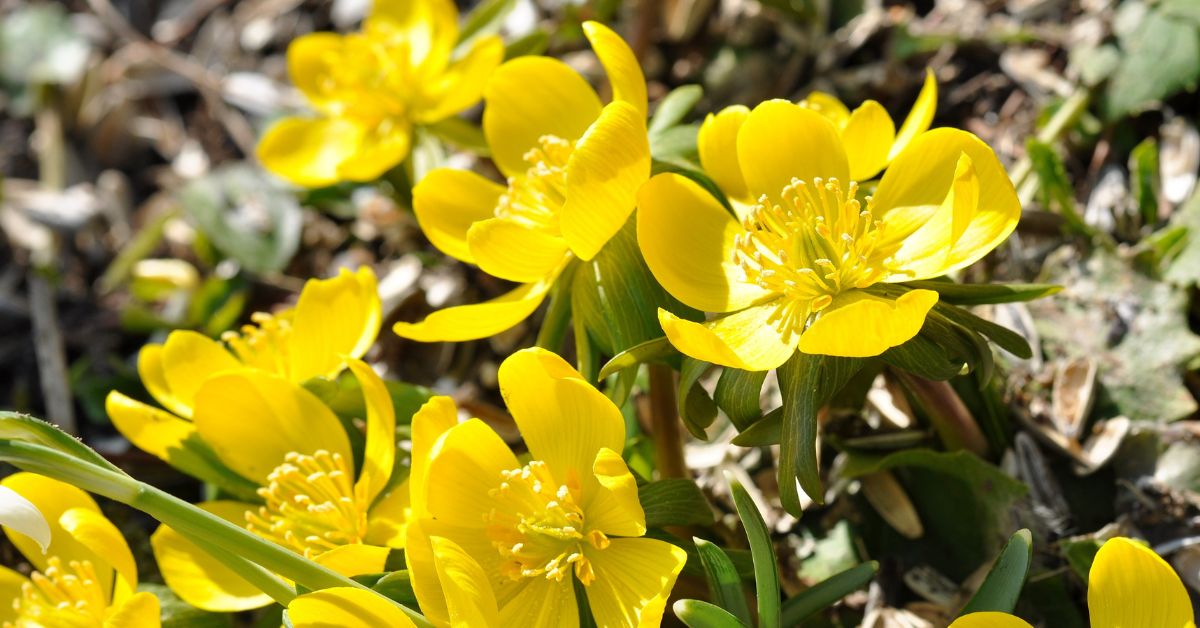
There are medicinal herbs that are not flashy “superstars,” yet they have been part of natural healing traditions for generations. Silverweed is exactly this kind of plant. Thanks to its strong astringent and anti-inflammatory properties, it has traditionally been used for digestive complaints, sore throat, and minor inflammations. Although it is mentioned less frequently today, it still holds an important place in phytotherapy.
What is silverweed?
Silverweed (Potentilla anserina) is a long-known medicinal herb traditionally used mainly for stomach and intestinal complaints.
Its most important active compounds include:
- tannins
- flavonoids
These compounds are responsible for the plant’s:
- astringent
- anti-inflammatory
- antibacterial
- mild antispasmodic
effects.
How does silverweed work?
One of silverweed’s most important characteristics is its high tannin content.
Tannins:
- tighten mucous membranes
- may reduce excessive secretion
- may help decrease irritation and inflammation
This can be especially useful for:
- diarrhea
- inflamed mucous membranes
- minor bleeding
Flavonoids:
- have antioxidant properties
- may contribute to reducing inflammatory processes
Acute diarrhea – one of its best-known uses
Traditionally, silverweed has been used for:
- acute, non-specific diarrhea
Due to its astringent and antidiarrheal effects, it may:
- reduce excessive bowel activity
- help soothe an irritated intestinal tract
However, it is important to note that:
- it is mainly used for mild, temporary complaints
- it does not replace treatment of the underlying cause
Sore throat and inflammation of the oral mucosa
Silverweed is not only useful internally.
Because of its anti-inflammatory and antibacterial properties, it may also be used for:
- sore throat
- mild inflammation of the oral mucosa
As a mouth rinse, it may:
- help reduce irritation
- support the regeneration of mucous membranes
Toothache – a traditional folk remedy
Silverweed was also traditionally used for toothache.
The reason for this lies in its:
- astringent
- anti-inflammatory
effects.
Although it does not solve the dental problem itself, it may temporarily:
- ease irritation
- reduce discomfort
External use – wounds and hemorrhoids
Silverweed can also be used externally.
It may be applied for:
- bleeding hemorrhoids
- oozing or bleeding wounds
- mild skin irritation
Its astringent effect may:
- help reduce secretion
- support wound healing
Mild antispasmodic effect
Silverweed also has mild antispasmodic properties.
This may be particularly useful for:
- abdominal cramps
- digestive tension
How to use silverweed
Tea
- Pour hot water over 1–2 teaspoons of dried herb
- Let steep for 10–15 minutes
- Can be consumed several times daily for short-term use
Mouth rinse
Lukewarm tea may be used for:
- gargling
- rinsing the mouth
External wash
Externally, it may also be used:
- as a compress
- as a cleansing wash
What should you pay attention to?
Silverweed should be used with caution.
Not recommended:
- during pregnancy
- while breastfeeding
- under 12 years of age
Important:
- not recommended together with alcohol
- may enhance the effects of certain medications or substances
In large amounts, it may:
- cause constipation
- irritate the stomach
Therefore, it is best used:
- as a short-term course
- in moderation
When is silverweed a good choice?
Silverweed may be especially useful if you:
- have mild diarrhea
- experience irritation of the mouth or throat mucosa
- are looking for natural support for minor inflammations
- want to use an astringent medicinal herb
Silverweed is a classic yet undeservedly overlooked medicinal herb. Thanks to its astringent, anti-inflammatory, and mild antispasmodic properties, it may be useful for several types of complaints, especially digestive and mucosal problems.
Rather than aggressively interfering with the body’s functions, it gently supports regeneration — which is why, when used properly, it can still be a valuable part of a natural home remedy cabinet today.