
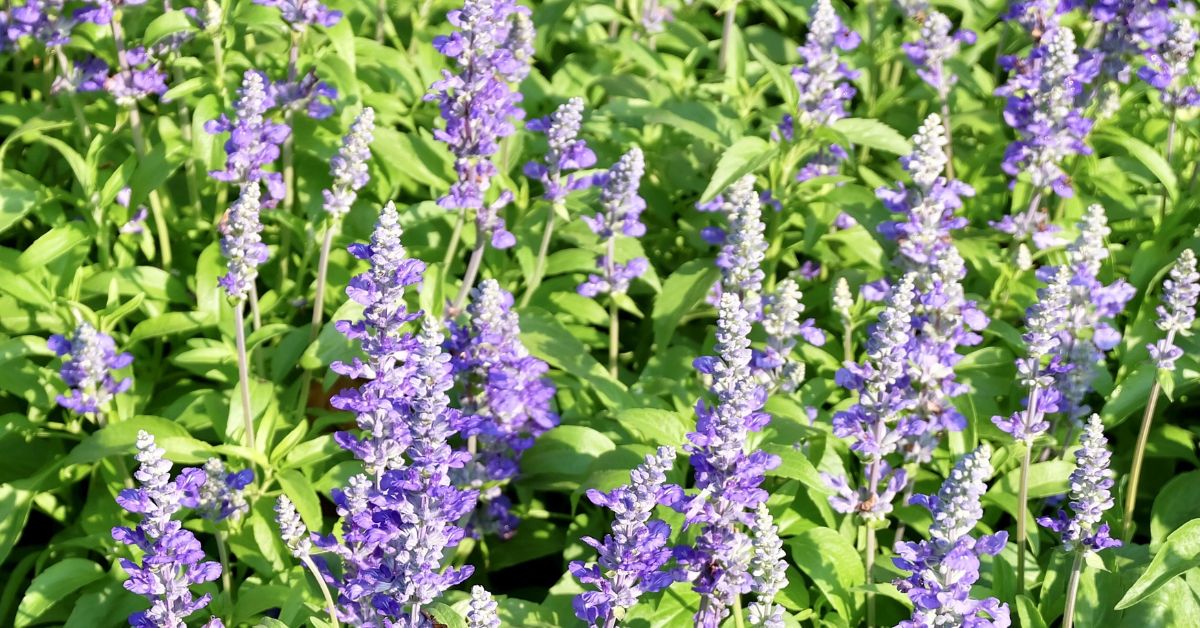
Sage is one of the best-known and most versatile medicinal herbs, used for centuries to support various inflammatory and infectious conditions. Its strong aroma and distinctive taste are familiar to almost everyone, and in phytotherapy it is especially associated with the support of mouth and throat health.
However, sage offers far more than a simple throat rinse. Thanks to its antibacterial, anti-inflammatory, and astringent properties, it is also traditionally used for:
- skin problems
- excessive sweating
- digestive discomfort
What is sage?
Common sage (Salvia officinalis) is a Mediterranean medicinal herb whose:
- leaves
- and essential oil
are primarily used in phytotherapy.
Its most important active compounds include:
- essential oils
- alpha- and beta-thujone
- camphor
- cineole
- tannins
- bitter compounds
- flavonoids
Together, these compounds provide the plant’s:
- antibacterial
- anti-inflammatory
- astringent
- mucus-loosening
- sweat-reducing
properties.
Sore throat and oral inflammation
The best-known application of sage is the support of the mouth and throat mucosa.
It is commonly used for:
- sore throat
- inflammation of the oral mucosa
- gum inflammation
- mouth ulcers
- hoarseness
Due to its antibacterial and astringent effects, sage may:
- help reduce inflammation
- support mucosal regeneration
- ease irritation
Sage tea is especially popular for:
- gargling
- mouth rinsing
Antibacterial and anti-inflammatory effects
The essential oils of sage may:
- inhibit the growth of certain microorganisms
- support the body’s defense against infections
Flavonoids and tannins may also:
- contribute to the reduction of inflammatory processes
- help protect irritated mucous membranes
For this reason, sage is frequently used not only for throat discomfort, but also for various skin and mucosal irritations.
Reducing excessive sweating
Fewer people know that sage also has anti-perspirant properties.
Traditionally, it has been used for:
- excessive sweating
- night sweats
- sweating associated with menopause
Sage may:
- help reduce perspiration
- improve overall comfort
Digestive support
Sage is also used for:
- digestive inflammation
- bloating
- digestive discomfort
Its bitter compounds may:
- support digestive processes
- stimulate the production of digestive juices
Expectorant and mucus-loosening properties
Sage also possesses mucus-loosening and expectorant effects.
For this reason, it may be useful for:
- colds
- productive coughs
- respiratory congestion
Skin inflammation and athlete’s foot
Externally, sage is also used for:
- skin inflammation
- minor irritations
- athlete’s foot
Its antibacterial and astringent properties may:
- support skin regeneration
- help reduce unpleasant symptoms
How is sage used?
Tea
Sage is commonly used as:
- tea
- gargle
- mouth rinse
General preparation:
- pour hot water over 1–2 teaspoons of dried leaves
- let steep for 10 minutes
Tinctures and herbal preparations
Sage is frequently found in:
- throat sprays
- mouthwashes
- tinctures
- herbal remedies
Compresses and foot baths
Externally, sage may also be used as:
- compresses
- foot baths
Essential oil and cosmetics
Sage essential oil is popular in:
- massage oils
- cosmetic products
What should you pay attention to?
Sage requires conscious and careful use.
Not recommended:
- during pregnancy
Contraindicated:
- during breastfeeding, as its thujone content may reduce milk production
Long-term use
Due to its relatively high thujone content:
- excessive long-term use of sage is not recommended
In large amounts, sage may:
- cause nervous system symptoms
- even trigger epileptic seizures
For this reason, sage should be used:
- in moderation
- as part of shorter courses rather than continuously
When can sage be useful?
Sage may be especially beneficial if:
- you have a sore throat
- your oral mucosa feels irritated
- you struggle with excessive sweating
- digestive inflammation is present
- you are looking for natural antibacterial support
Sage is one of the best-known anti-inflammatory and antibacterial medicinal herbs, especially valued for throat and oral health support. At the same time, its sweat-reducing, digestive-supporting, and skin-supporting properties also make it an exceptionally versatile plant.
When used properly, sage can become one of the most valuable herbs in a natural home pharmacy — though because of its thujone content, conscious and moderate use is essential.