
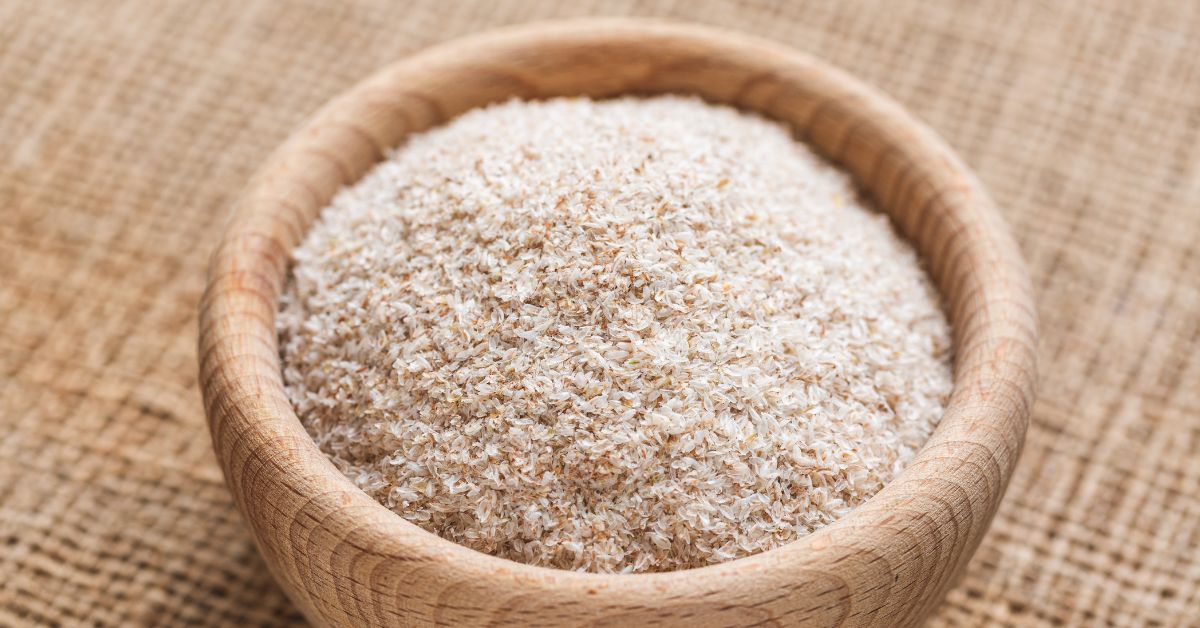
Psyllium husk is one of the most popular natural supplements for bowel cleansing and digestive support. The seed husk of the plant is extremely rich in fiber, helping to keep the intestines clean, support healthy digestion, and contribute to optimal bowel function. But how should it be consumed, and what precautions are necessary to avoid harmful effects? In this article, we present the benefits of psyllium husk in detail and explain how to use it safely.
What is psyllium husk and how does it work?
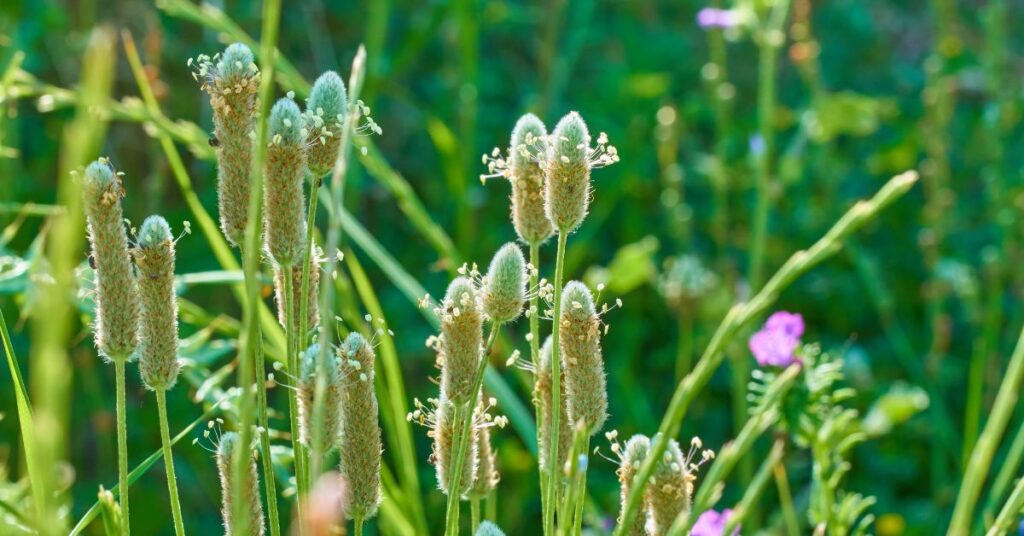
Psyllium husk is the outer coating of the seeds of the Egyptian plantain (Plantago ovata), and it is exceptionally rich in water-soluble fiber. When these fibers come into contact with water, they form a gel-like substance that softens the stool and facilitates its passage.
Psyllium husk therefore acts as a natural laxative while gently cleansing the intestinal tract, helping to prevent constipation and supporting regular bowel movements.
The bowel-cleansing effects of psyllium husk
- Against constipation:
- The fibers promote bowel movement, bind water, and make it easier for stool to pass through the intestines.
- Detoxification and colon cleansing:
- By removing waste material accumulated on the intestinal walls, it helps cleanse the colon.
- Support of gut flora:
- Psyllium husk acts as a prebiotic, promoting the growth of beneficial intestinal bacteria.
- Blood sugar regulation:
- It slows the absorption of carbohydrates, helping to balance blood sugar levels.
- Cholesterol reduction:
- The fibers may contribute to lowering LDL (“bad”) cholesterol levels.
- Weight control:
- Its consumption creates a feeling of fullness, which may help reduce overeating and hunger.
How should psyllium husk be consumed?
Psyllium husk can be taken in several ways, but it must always be consumed with plenty of liquid. Without sufficient water, it can accumulate in the intestines and may even cause intestinal blockage.
Recommended dosage
For adults:
1–2 tablespoons per day (approximately 5–10 g), mixed into at least 200–300 ml of water, fruit juice, or another liquid. After consumption, an additional glass of water is recommended.
For children:
Above 6 years of age, 1 teaspoon per day is recommended, but it is advisable to consult a physician first.
When should it be taken?
- Preferably in the morning on an empty stomach or before bedtime.
- At least one hour before taking other medications or supplements.
- For weight loss purposes, it may be taken 30 minutes before meals to help reduce appetite.
What should you pay attention to?
Although psyllium husk is natural and generally safe, certain precautions are important:
Adequate fluid intake:
Each dose must be taken with plenty of water; otherwise, it may cause constipation or even intestinal obstruction.
Never consume it dry:
It must always be dissolved in liquid. Consuming it dry may even lead to choking.
Interaction with medications:
Since it slows the absorption of certain substances, it should be taken at least one hour before or after other medications.
Gradual introduction:
If someone is not accustomed to a high-fiber diet, they should start with smaller amounts to avoid bloating or abdominal cramps.
Sensitivity and allergy:
Although rare, allergic reactions may occur, so it is advisable to begin with a small amount.
Avoid prolonged continuous use:
While psyllium husk supports regular bowel movements, long-term continuous use may lead to dependency; therefore, occasional breaks are recommended.
Who should avoid psyllium husk?
Although safe for most people, psyllium husk is not recommended in the following cases:
- Intestinal obstruction or severe gastrointestinal disease
- Chronic dehydration
- Individuals taking medications whose absorption may be affected (e.g., blood thinners, antidiabetic drugs) – medical consultation is recommended in such cases
Psyllium husk is an extremely effective natural bowel cleanser that can help prevent constipation, detoxify the intestinal tract, and support healthy digestion. However, it must be used correctly: always consume it with sufficient liquid, follow proper dosage guidelines, and consult a physician when necessary. When used responsibly, psyllium husk can support long-term health and well-being.