
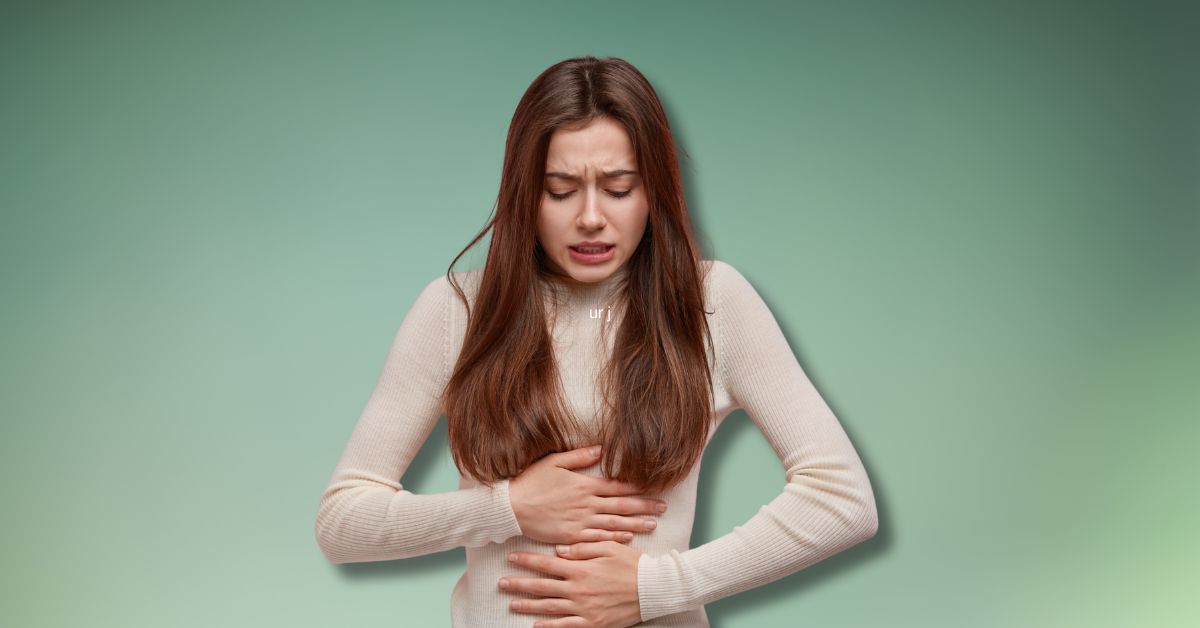
Does menstruation make your life more difficult every month? Do abdominal cramps start days beforehand, leaving you feeling unusually sensitive, irritable, and tense—even to the point where you struggle to tolerate yourself? While many medications are available to relieve pain, if you are looking for a natural alternative, passionflower is a remedy I can wholeheartedly recommend. In this article, I’ll show how this remarkable medicinal plant may help ease menstrual discomfort, what active compounds it contains, and the most effective ways to use it.
Passionflower is not native to Hungary
Passionflower (Passiflora incarnata) is a medicinal plant of tropical origin and is unfortunately not native to Hungary. This means it cannot be collected in the wild locally, but it is available in certain organic and herbal shops and is also easily accessible in supplement form. Although the plant’s flowers are especially beautiful and distinctive, medicinal use primarily focuses on the leaves and stems.
A golgotavirág hatóanyagai és hatása
Its main active compounds: flavonoids
Passionflower contains valuable flavonoids with antioxidant and anti-inflammatory properties. Among these, apigenin and luteolin derivatives play a particularly important role in the plant’s therapeutic effects.
Pain relief and antispasmodic effects
Passionflower is an excellent natural pain reliever and antispasmodic, especially recommended for menstrual complaints. Its flavonoids help relax muscle spasms and reduce pain, making the menstrual period easier to manage.
Calming effect
Passionflower has a mild sedative effect that may help reduce restlessness and stress associated with menstruation. Through its action on the nervous system, it can decrease irritability and improve sleep quality. Sounds good, doesn’t it?
Nervous digestive complaints
Passionflower is also used to treat digestive problems of nervous origin. During menstruation, digestive discomfort is quite common and can further increase overall discomfort. Passionflower may help ease these symptoms as well.
How should you use it?
Passionflower tea
Passionflower can be consumed as a tea with a pleasant taste, so there’s nothing to worry about. The tea is usually prepared from dried passionflower leaves and stems.
Preparation is simple:
- Pour hot water over the dried plant material
- Let it steep for 10–15 minutes
- Then strain
Drinking 1–3 cups of passionflower tea daily may help relieve menstrual cramps and nervous tension.
Capsules and tablets
Passionflower is also available in capsule and tablet form. These preparations contain concentrated amounts of the plant’s active compounds and are easy to dose. Always follow the manufacturer’s instructions regarding dosage and frequency of use.
Passionflower tincture
Passionflower tincture is an alcoholic extract taken in drop form. Tinctures can be especially useful when a faster effect is desired and can easily be mixed into water or fruit juice.
Safe use
Passionflower is considered a gentle yet safe medicinal plant when used properly. However, correct dosing is essential, and in the case of commercial products, the manufacturer’s instructions should always be followed.
Although it is mainly recommended for menstrual complaints, it is important to emphasize that passionflower should not be used during pregnancy or breastfeeding. It may also enhance the effects of substances acting on the central nervous system, such as sleeping pills, sedatives, or alcohol.
Passionflower (Passiflora incarnata) is a valuable medicinal herb with numerous beneficial effects, particularly in relieving menstrual discomfort. Flavonoids such as apigenin and luteolin derivatives may help reduce pain, ease cramps, and calm nervous tension.
Since passionflower is available in several forms—including teas, capsules, and tinctures—everyone can find the method that suits them best. As always, follow safe usage guidelines to fully benefit from the plant’s therapeutic properties.