Lemon balm, known by its Latin name Melissa officinalis, has held a special place among medicinal and culinary herbs for centuries. This versatile plant is not only a valuable ingredient in the kitchen but can also provide relief for a wide range of health concerns. Gentle yet effective, lemon balm has long been associated with relaxation, balance, and natural healing.
Distribution and characteristics of lemon balm
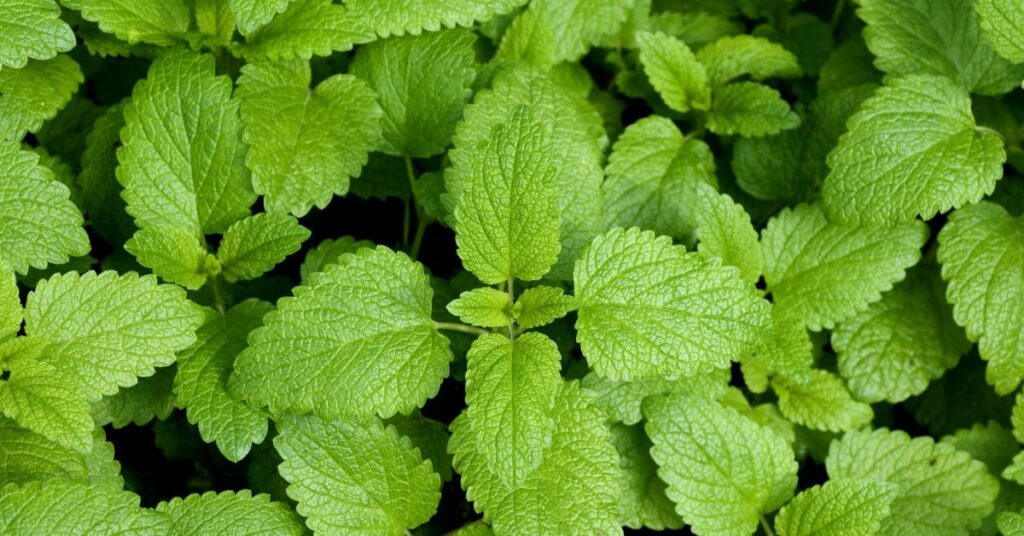
Lemon balm is a perennial herb belonging to the mint family (Lamiaceae). It grows to a medium height and is easily recognized by its fresh, lemon-like aroma, which mainly comes from its leaves.
The plant is widely found across Central and Southern Europe as well as the Mediterranean region. It prefers sunny locations but also thrives in partial shade. In Hungary, lemon balm is a particularly popular medicinal herb and is commonly cultivated both in home gardens and larger plantations.
The country’s climate provides ideal growing conditions, especially in sunny, well-ventilated areas. Traditionally, lemon balm has been used not only for medicinal purposes but also as a culinary herb, and it has long played an important role in folk medicine.
Active compounds of lemon balmThe leaves contain the plant’s most valuable active substances, including:
Rosmarinic acid, known for its anti-inflammatory properties.
Essential oils such as geranial, neral, and citronellal, which give lemon balm its characteristic scent and contribute to its calming and antiviral effects.
Flavonoids, antioxidant compounds that help protect the body against oxidative stress.
Traditional uses of lemon balm
Lemon balm has been used in many ways throughout history due to its gentle yet effective actions.
Nervous system support and stress relief
Lemon balm tea is especially valued for reducing stress and anxiety while promoting a general sense of calm and relaxation.
Digestive support
Thanks to its mild appetite-stimulating effect, lemon balm may help relieve digestive discomfort, bloating, and indigestion.
Antispasmodic effects
It can help ease stomach cramps as well as menstrual discomfort.
Antiviral activity
Lemon balm essential oil is commonly used in the treatment of herpes infections. Clinical studies suggest it may significantly reduce the occurrence and severity of cold sores.
Natural insect repellent
Its pleasant aroma also helps repel mosquitoes and ticks naturally.
Support for stress-related heart complaints
Through its calming properties, lemon balm may help support heart function during periods of emotional tension or stress.
Lemon balm in everyday nutrition
With its fresh, slightly citrusy flavor, lemon balm is a popular ingredient in the kitchen. Both fresh and dried leaves can be added to salads, soups, roasted dishes, and refreshing beverages.
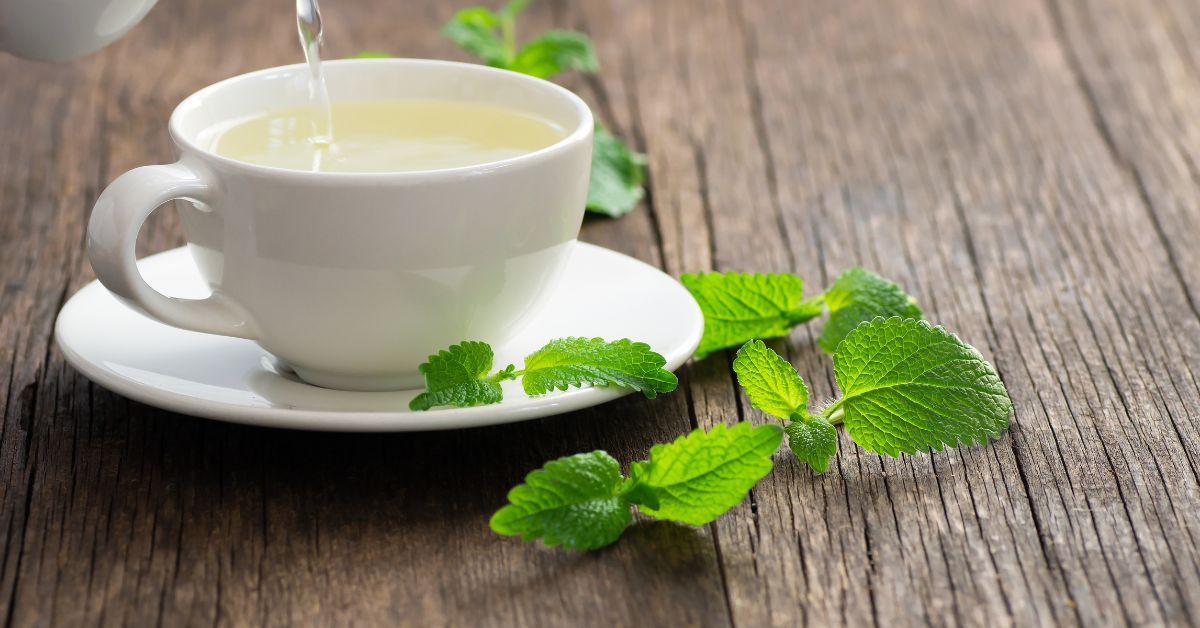
Lemon balm tea is often consumed on its own or blended with other herbs such as chamomile or mint for enhanced flavor and therapeutic effects.
Lemon balm essential oil
Lemon balm essential oil is widely used in aromatherapy. Its calming and mood-enhancing properties make it a popular choice for stress relief and emotional balance. When applied topically in diluted form, it may also benefit the skin.
Because of its insect-repelling properties, lemon balm oil is frequently included in natural mosquito-repellent formulations.
Growing lemon balm
Lemon balm is easy to cultivate and an excellent choice even for beginner gardeners. It prefers sunny locations and well-drained soil and can be propagated from seeds or by dividing established plants.
Regular pruning encourages new growth and helps maintain a healthy, vigorous plant.
A herb for body and mind
Lemon balm is a truly versatile medicinal herb that can bring calm to stressful everyday life while also enriching our meals with fresh flavor. Whether enjoyed as tea, used in cooking, or applied in aromatherapy, it can easily become part of a balanced and health-conscious lifestyle.
Modern scientific research increasingly confirms what traditional herbal medicine has known for centuries: lemon balm truly is a natural source of health, relaxation, and harmony.