
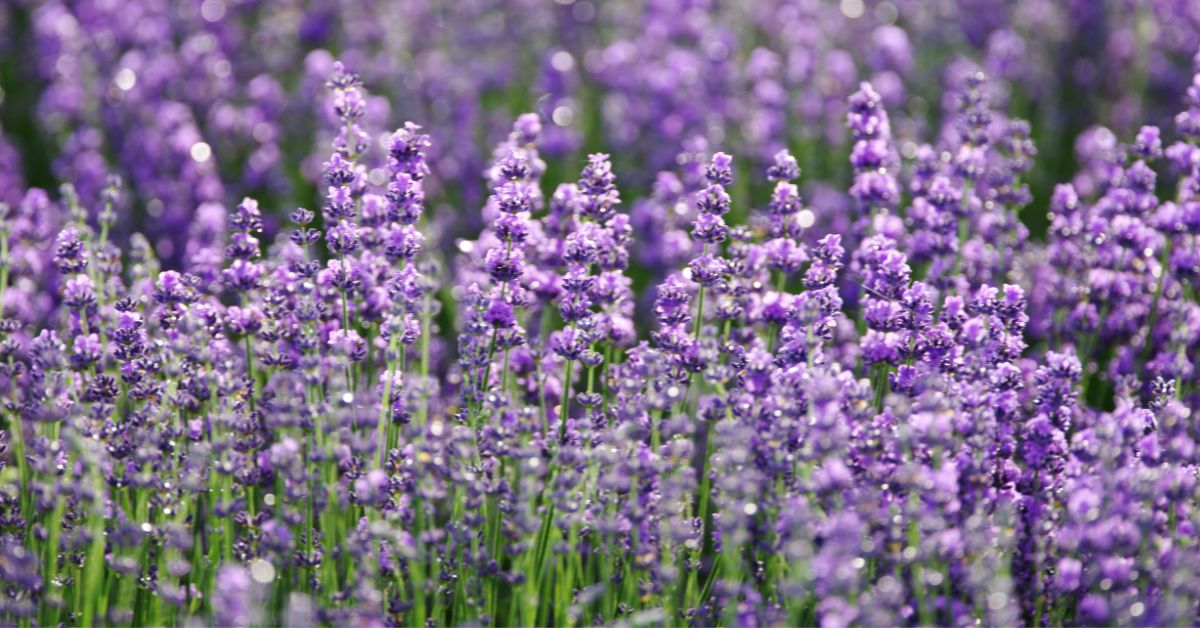
Most people associate lavender with its fragrance. Calmness, cleanliness, evening relaxation — these are usually the first things that come to mind. Yet lavender is far more than a simple aromatic plant. It not only affects the nervous system, but may also support digestion, skin health, and muscle relaxation. This is why lavender is considered one of the most versatile medicinal herbs, suitable for both internal and external use.
What is lavender?
Lavender (Lavandula angustifolia) is a well-known medicinal and aromatic plant whose:
- flowers
- essential oil
are used in phytotherapy.
Its main active compounds include:
- essential oils
- esters
- flavonoids
- tannins
Lavender’s characteristic scent mainly comes from its essential oils, which are also largely responsible for its calming and antispasmodic effects.
How does lavender work?
One of lavender’s most important properties is that it can simultaneously:
- calm
- relax
- without necessarily causing a heavy or dull feeling
Its essential oils may:
- help relax the nervous system
- reduce tension
- support restful sleep
In addition, lavender also has:
- antispasmodic
- anti-inflammatory
- mildly antiseptic
properties.
Because of this, lavender may be useful not only for emotional tension, but also for physical complaints.
Restlessness and anxiety – when it’s hard to switch off
Lavender is most commonly used for:
- stress
- restlessness
- anxiety
- nervous tension
It may help:
- calm an overstimulated nervous system
- support relaxation
- ease inner tension
This can be especially useful when:
- it’s difficult to “switch off” in the evening
- there is constant internal pressure or tension
Sleep disturbances – natural evening support
Lavender is one of the best-known natural calming and sleep-supporting herbs.
It may help with:
- difficulty falling asleep
- restless sleep
- shallow sleep
One of its advantages is that it:
- does not suddenly “knock you out”
- instead gradually helps the body and mind relax
For this reason, many people use it:
- as tea
- dropped onto a pillow
- as a bath additive
as part of their evening routine.
Digestive complaints
Lavender does not only affect the nervous system.
Thanks to its antispasmodic properties, it may also be used for:
- functional digestive complaints
It may help with:
- bloating
- stress-related abdominal cramps
- nervous stomach discomfort
This clearly shows how closely connected the nervous system and digestion are.
Skin problems and wound care
Lavender is also widely used externally.
Due to its anti-inflammatory and antiseptic properties, it may be helpful for:
- minor skin problems
- irritation
- mild injuries
It can be applied in:
- creams
- oils
- cleansing solutions
Insect bites and irritation
One of lavender’s classic uses is the treatment of insect bites.
It may help:
- reduce itching
- relieve irritation
- soothe the skin
This is why lavender is commonly included in many natural skincare products.
Muscle pain and tension
Lavender’s relaxing effects are not limited to the nervous system.
Used as a massage oil, it may:
- help relieve muscle tension
- ease discomfort in tired muscles
This can be especially useful during stressful periods.
How to use lavender
Tea
- Pour hot water over 1–2 teaspoons of dried lavender flowers
- Let steep for 10 minutes
- Best consumed in the evening
Bath
- Add a few drops of essential oil or a strong lavender tea infusion to bathwater
- May help promote relaxation
Essential oil
- for diffusion
- for baths
- diluted for massage
Creams and oils
- for skincare
- for irritation
- for muscle tension
What should you pay attention to?
Although lavender is generally well tolerated, caution is advised in some cases.
Not recommended:
- during early pregnancy
Essential oil should always:
- be properly diluted before applying to the skin
When is lavender a good choice?
Lavender may be especially useful if you:
- are stressed
- have difficulty falling asleep
- experience stress-related digestive complaints
- have sensitive or irritated skin
- want to relax naturally
Lavender is far more than a simple calming herb. It may support the nervous system, digestion, and skin health, while its pleasant aroma alone can contribute to relaxation.
It is no coincidence that lavender has remained one of the most beloved medicinal herbs for centuries — it is gentle, versatile, and easy to incorporate into everyday life.