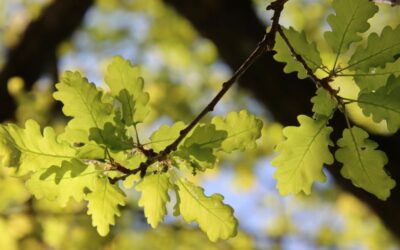
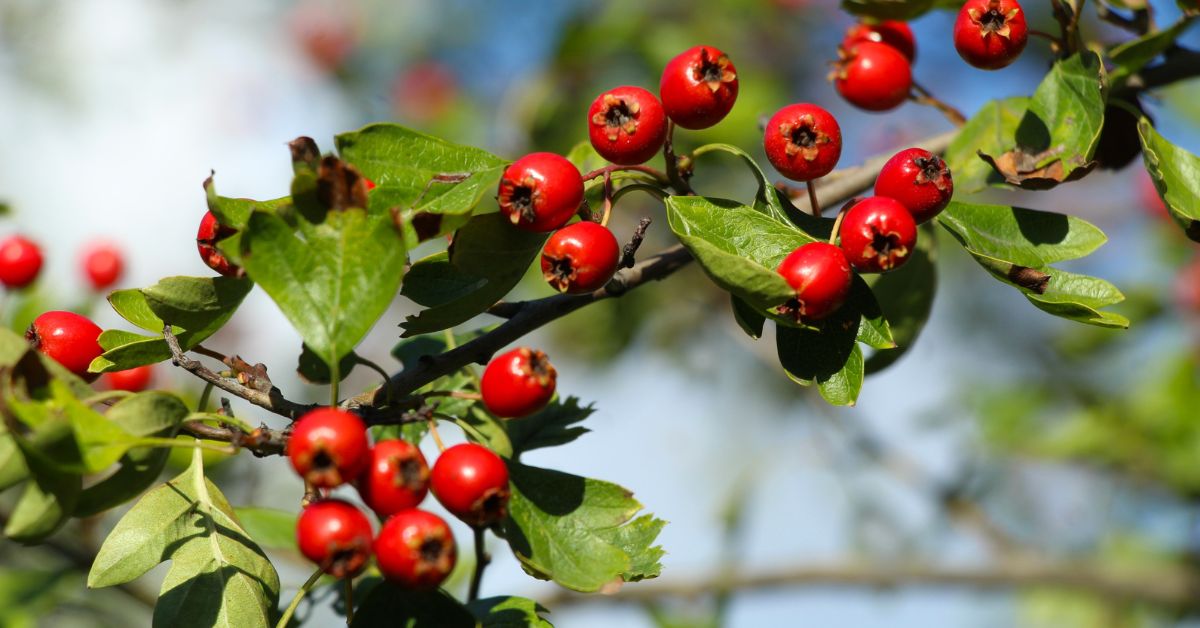
Hawthorn (Crataegus laevigata) has been one of the most important heart-supporting plants in traditional medicine for centuries. It was already known and used by ancient physicians, but it gained true recognition in modern phytotherapy when scientific studies confirmed that hawthorn has beneficial effects on heart function, circulation, and blood pressure. To this day, it is considered one of the safest medicinal herbs, well tolerated even with long-term use, and in many cases it can serve as an excellent natural complement to heart medications — always under medical supervision.
Which part of the plant is used?
For medicinal purposes, hawthorn primarily uses:
- the flowering tops,
- and the red, fleshy fruits
The flowering tops are the most valuable part, as they contain the highest concentration of active compounds, but the fruit is also useful, especially in autumn when it ripens and can be harvested.
Active compounds of hawthorn – what makes it so effective?
Hawthorn’s unique effects come from its bioactive compounds. The most important are:
Oligomeric procyanidins (OPCs)
Powerful antioxidants that protect against free radicals, improve oxygen supply to the heart, and strengthen heart muscle function.
Flavonoid glycosides
Important for circulation, as they dilate blood vessels, improve vascular elasticity, and reduce inflammatory processes.
Tannins
They have an astringent effect, support digestion, and also play a role in the plant’s well-known cardiovascular effects — stabilizing the vascular system and supporting microcirculation.
Together, these three groups of compounds give hawthorn its unique potency among cardiovascular medicinal herbs.
In which conditions can it be used?
The phytotherapeutic use of hawthorn is quite broad, but it is especially effective in the following indications:
Hawthorn has a wide range of therapeutic uses, but it is especially effective for the following conditions:
Heart failure
Hawthorn can help improve the heart’s pumping ability, reducing fatigue, shortness of breath, and weakness.
Cardiac arrhythmias
Thanks to its so-called eurythmic effect, hawthorn helps regulate the heartbeat: it can reduce extrasystoles, lessen palpitations, and promote a more stable rhythm—especially useful for stress-related heart palpitations.
High blood pressure
With its vasodilatory and arterial wall-supporting effects, hawthorn may contribute to normalizing blood pressure—especially in cases of stress-induced hypertension—without placing significant strain on the body.
How does hawthorn work?
Hawthorn supports the heart on multiple levels:
1. Improves heart muscle contraction
Hawthorn strengthens the cardiac muscle, allowing the heart to pump blood with greater force—an especially important benefit in heart failure when cardiac performance is reduced.
2. Eurythmic effect — Rhythm regulation
It helps reduce extra beats and stabilize the heartbeat, eliminating irregular palpitations. This is particularly beneficial for palpitations caused by stress.
3. Improves electrical conduction
Hawthorn helps balance the heart’s electrical signaling system, reducing the risk of misfires and rhythm disturbances.
4. Increases oxygen tolerance
One of hawthorn’s most valuable effects is its ability to enhance the heart’s resistance to oxygen deficiency. Regular use can help the heart better withstand oxygen-deprived conditions, which may support resilience even in stressful situations.
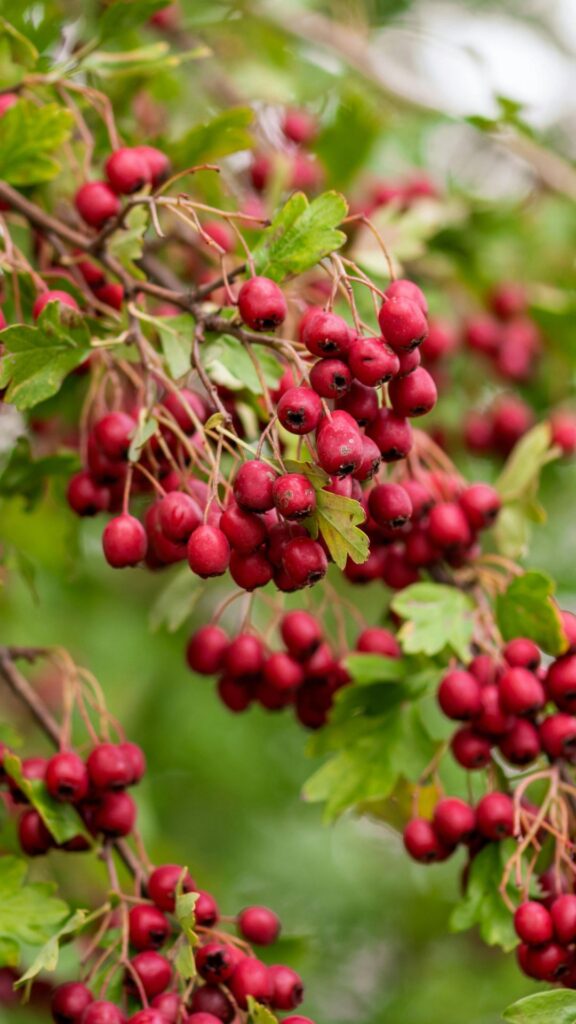
How to use ahwthorn — Tea and herbal courses
One of the key principles of hawthorn use is consistency. Its effects typically become noticeable after 1.5–2 months of regular use and continue to strengthen with ongoing consumption.
Hawthorn tea preparation
- 1 teaspoon of flowering tips
- 250 ml (about 1 cup) of hot water
- Let steep for 30 minutes, covered
Recommended dosage: up to 3 cups of tea per day.
Course Use
A typical herbal course might look like:
- 2 months of use → 1 week break
- 3 weeks of use → 1 week break
Repeating this cycle regularly is recommended for best results.
Hawthorn is safe for long-term use and, with consistent application, can bring noticeable improvement.
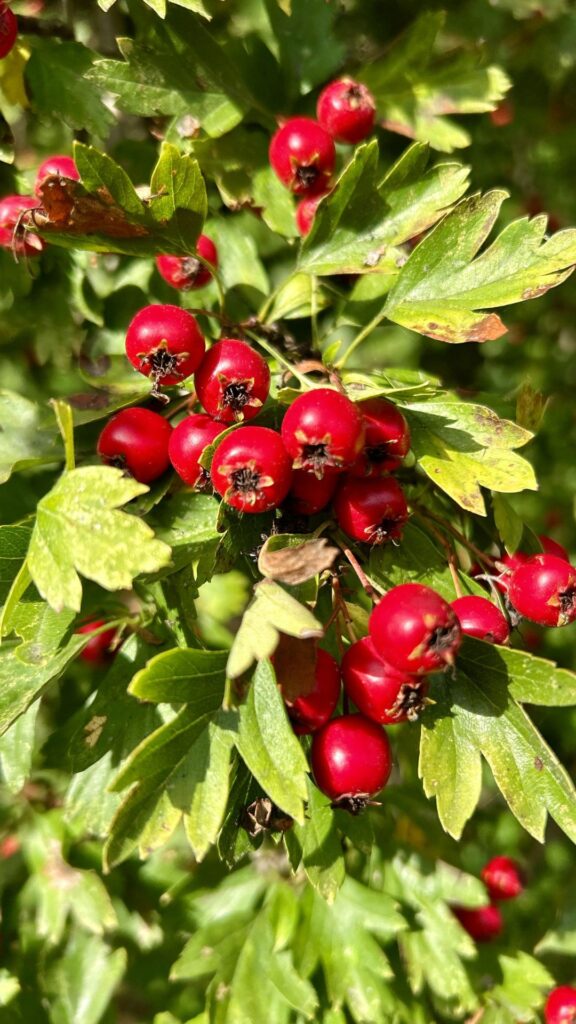
Interactions and medical supervision
Hawthorn is a completely natural and generally safe medicinal herb. However, it has one important property: it can enhance the effects of heart medications. Therefore, it is possible that a doctor may recommend reducing drug doses over time—but this should never be done independently! Regular medical supervision is essential, especially if a heart condition or medication regimen already exists.
Hawthorn (Crataegus laevigata) is one of nature’s strongest yet safest heart herbs. It isn’t a miracle cure, but with consistent, cycle-based use it offers the heart a level of natural support that few other herbs can match. Hawthorn quietly strengthens, protects, and supports the heart—without side effects.