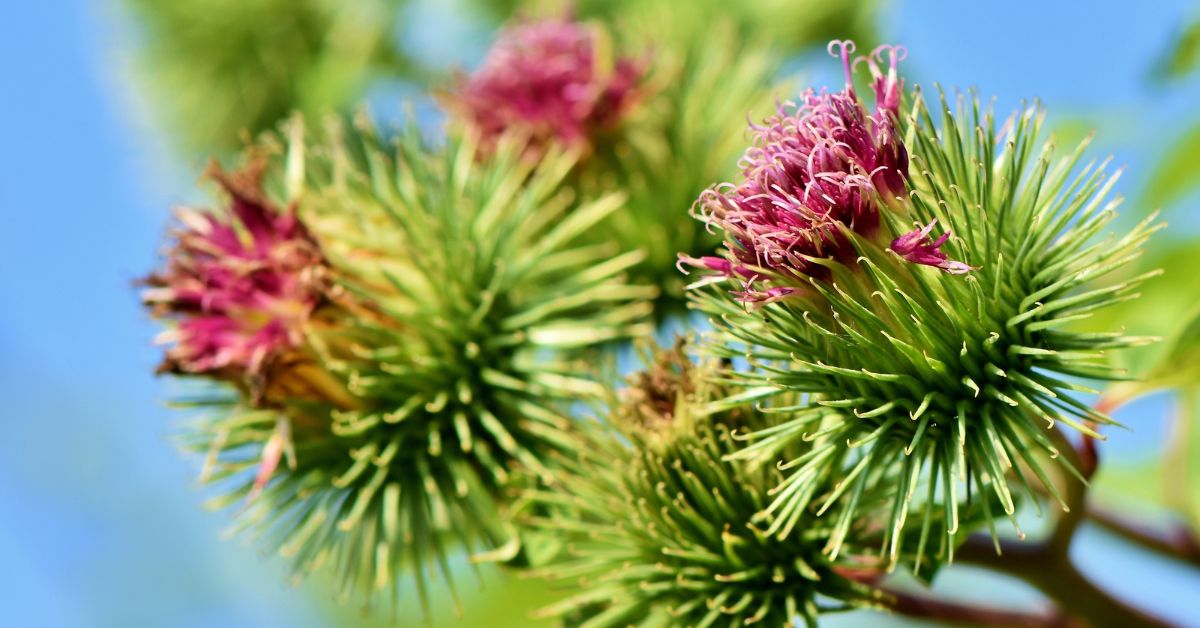
For many people, burdock is primarily associated with hair care — and for good reason. It has long been used in hair tonics, scalp treatments, and herbal cosmetic products. In phytotherapy, however, burdock is far more than just a hair care herb. Traditionally, it has also been used for skin problems, inflammatory conditions, colds, and various cleansing regimens.
What makes burdock particularly interesting is that it may simultaneously support:
- the skin
- the scalp
- digestion
- and certain elimination processes.
What is burdock root?
Burdock (Arctium lappa) is a well-known medicinal herb whose root is primarily used in phytotherapy.
Its main active compounds include:
- inulin
- mucilage compounds
- essential oils
- tannins
- bitter compounds
Together, these contribute to the plant’s:
- cleansing
- skin-supporting
- mildly anti-inflammatory
- digestive-supporting
properties.
Inulin – one of burdock’s most interesting components
Burdock root contains a significant amount of inulin.
Inulin is:
- a water-soluble fiber
- a prebiotic compound
This means it may:
- support gut microbiome balance
- promote the growth of beneficial bacteria
The condition of the digestive system can influence:
- skin health
- immune function
- and overall wellbeing.
Hair follicle strengthening and scalp care
The best-known use of burdock is supporting the hair and scalp.
Traditionally, it is believed to:
- strengthen hair follicles
- cleanse the scalp
- support scalp balance
This is why it is commonly found in:
- hair tonics
- shampoos
- herbal hair care products
It is especially popular when:
- the scalp is oily
- irritation is present
- excessive hair loss occurs.
Eczema and skin problems
Traditionally, burdock has also been used for:
- eczema
- acne
- boils
- psoriasis
Due to its cleansing and anti-inflammatory properties, it may:
- support irritated skin
- help maintain skin balance.
In folk medicine, burdock was often referred to as a “blood-cleansing” herb.
Although this term is no longer considered scientific, it reflected the plant’s traditional use for:
- supporting elimination processes
- improving skin condition.
Acne and oily skin
Burdock is particularly popular for:
- problematic
- oily
- inflammation-prone
skin.
Used as a wash or rinse, it may:
- help cleanse the skin
- support balance of both the scalp and facial skin.
Respiratory complaints and colds
Fewer people know that burdock was also traditionally used for:
- colds
- feverish illnesses
- mild respiratory complaints
In these cases, it was mainly considered:
- a general supportive herb
- a plant that assists the body’s natural processes.
How is it used?
As a tea
Burdock root can be prepared as herbal tea.
General preparation:
- the dried root is steeped in hot water or briefly simmered
- then allowed to rest before consumption.
As a skin or scalp rinse
Externally, it may be used on:
- the scalp
- facial skin
- problematic skin areas.
In cosmetic products
Burdock is commonly found in:
- hair tonics
- shampoos
- facial toners
- herbal creams.
What should you pay attention to?
Although burdock is generally well tolerated, sensitive individuals may occasionally experience:
- digestive discomfort
- allergic reactions.
People sensitive to plants from the Asteraceae family should use it cautiously.
When can burdock root be useful?
Burdock may be especially beneficial if:
- your skin is problematic
- your scalp is oily or irritated
- you are looking for natural hair care support
- your skin is acne-prone or inflammation-prone
- you want to use cleansing-type herbs.
Burdock is a versatile medicinal herb primarily used to support the skin and scalp, but it is also known for digestive and general supportive purposes. Its inulin, tannin, and bitter compound content gives it a unique place in phytotherapy.
It is no coincidence that burdock has remained a staple of herbal hair and skin care for centuries — even today, it is still considered one of the most well-known natural “scalp-friendly” herbs.