There are few medicinal plants where it matters this much which part you use. Blackthorn is a perfect example: its flower and fruit have almost opposite effects. If you don’t take this into account, it’s easy to use it incorrectly. But when applied properly, it becomes a simple yet versatile remedy that can support both digestion and overall well-being.
What is blackthorn?
Blackthorn (Prunus spinosa) is a thorny shrub widespread across Europe. In phytotherapy, two parts of the plant are used:
- the flower
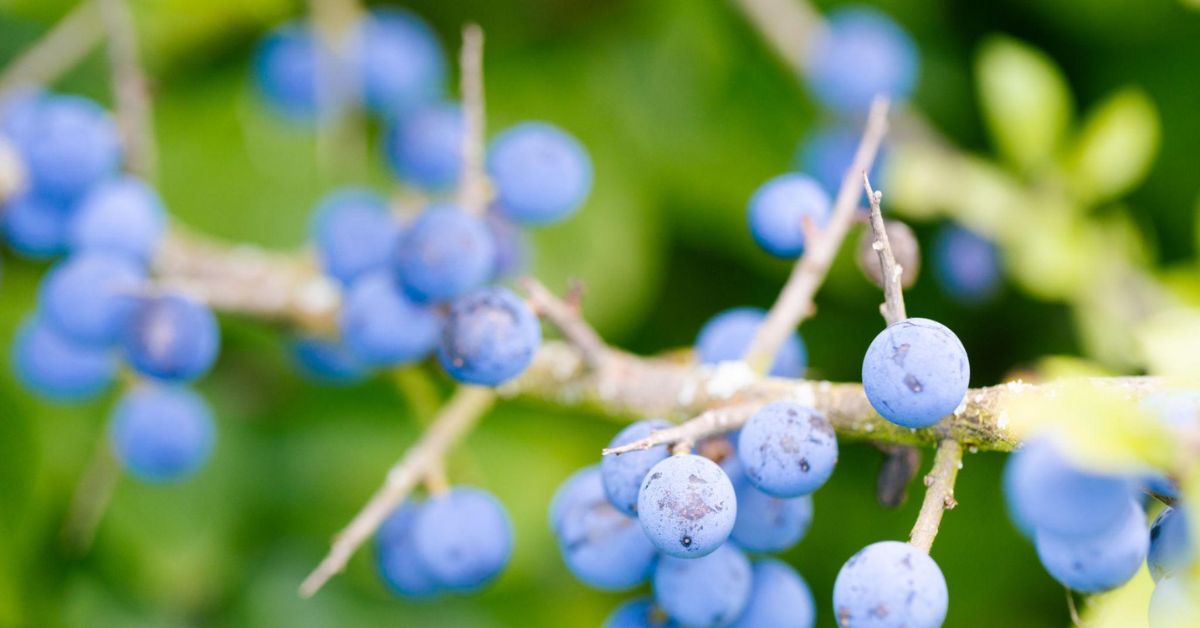
- the fruit
These two parts serve completely different purposes — and this is one of blackthorn’s most important characteristics.
Active compounds:
- flavonoids (mainly in the flower)
- tannins
- organic acids
- vitamin C (in the fruit)
How does it work?
The effect of blackthorn depends on whether you use the flower or the fruit.
- Flower:
- mild diuretic
- mild laxative
- Fruit:
- astringent
- anti-diarrheal
At first, this may seem contradictory, but it clearly shows how different compounds dominate in different parts of the plant.
Blackthorn flower – gentle support for elimination
Blackthorn flower is mainly used when the goal is to gently stimulate the body.
Effects:
- slightly increases urine output
- supports bowel movement
It may be especially useful for:
- mild constipation
- slow metabolism
- seasonal “transition” periods (e.g., spring)
Important: it is not a strong laxative, but a gentle, regulating herb.
Blackthorn fruit – when you need to “hold” digestion
Blackthorn berries work in the opposite way.
Due to their high tannin content, they:
- tighten mucous membranes
- reduce intestinal activity
As a result, they may:
- help in cases of diarrhea
- support calming the digestive system
So the key difference is:
- flower → loosening effect
- fruit → binding effect
Immune support and antioxidant effects
Blackthorn fruit is not only beneficial for digestion.
Thanks to its vitamin C and flavonoid content, it:
- has antioxidant properties
- supports the immune system
This can be particularly helpful:
- during cold seasons
- in weakened conditions
- for general health support
How to use it
Flower – as tea
- Pour hot water over 1 teaspoon of dried flowers
- Let steep for 10–15 minutes
- Drink 1–2 cups daily
Fruit – tea, decoction, or processed form
- dried
- as jam
- as a decoction
Important: raw fruit has a very astringent taste, so it is usually consumed processed.
What should you be aware of?
- The seeds contain cyanogenic glycosides → not safe for consumption
- Excessive intake of the fruit may cause constipation
Therefore:
- use in moderation
- choose the correct plant part
When should you choose blackthorn?
Blackthorn is a good option if:
- you have mild constipation (flower)
- you have diarrhea (fruit)
- you want to support your immune system
- you are looking for a gentle yet targeted herbal remedy
Blackthorn is a unique medicinal plant where the choice of plant part is crucial. The contrasting effects of the flower and fruit allow it to be used for different digestive issues.
When used consciously, it becomes a simple yet surprisingly versatile plant that doesn’t force change, but gently supports the body’s natural balance.