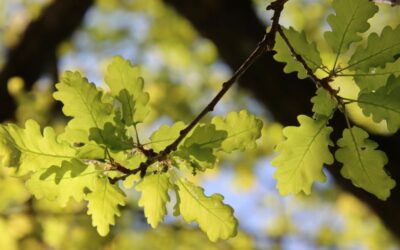
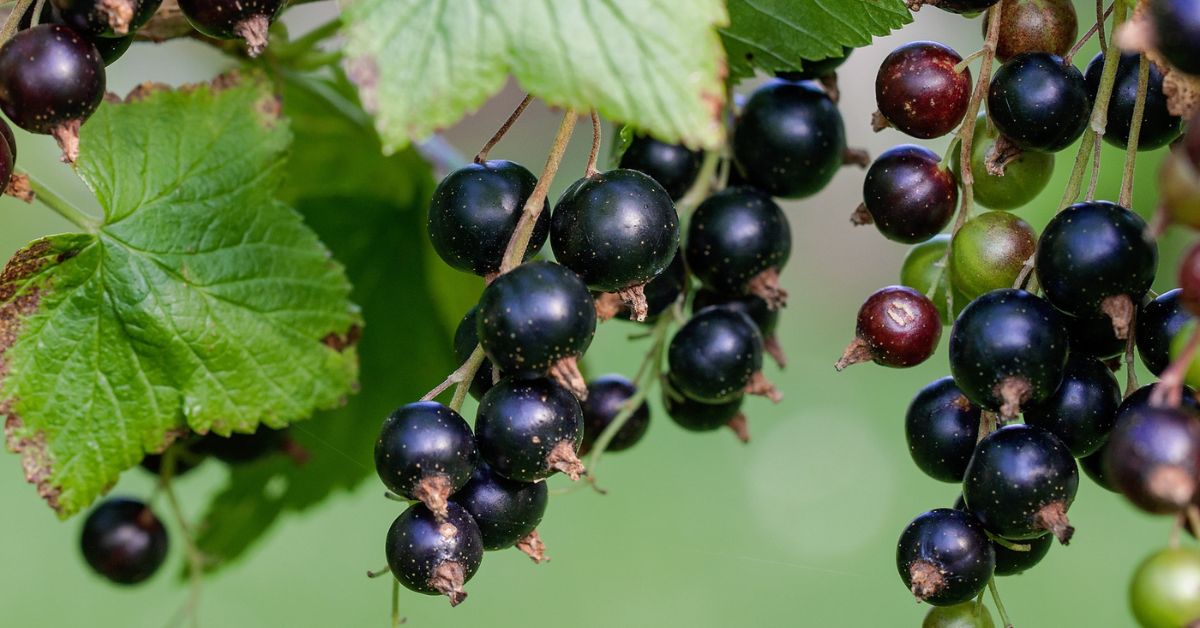
Blackcurrant often comes to mind only during a cold, yet this plant offers far more than immune support. If you struggle with recurring urinary issues, sensitive joints, or simply want to support your body from within, blackcurrant may help on multiple levels. Not only the fruit, but also the leaves are valuable.
What makes blackcurrant special?
Blackcurrant (Ribes nigrum) is a versatile medicinal plant whose berries and leaves both have therapeutic value.
It is useful to distinguish between its two “faces”:
- Leaves – primarily support the excretory system and joints
- Fruit – provide immune support, antioxidant protection, and vascular benefits
Together, they make blackcurrant particularly valuable.
The effects of the leaves – supporting elimination and reducing inflammation
Blackcurrant leaves contain flavonoids, tannins, and small amounts of essential oil. These compounds support the body in several ways.
For urinary complaints
Tea made from the leaves may:
- support urine production
- help flush the urinary tract
- contribute to the complementary treatment of bacterial infections
This can be especially useful for:
- recurrent urinary tract infections
- prevention of kidney sand or stones
Important: it does not replace medical treatment but can be used as supportive therapy.
For rheumatic and joint complaints
Due to their mild anti-inflammatory and diuretic effects, blackcurrant leaves may:
- help relieve joint discomfort
- support the elimination of metabolic waste products
They are often used for:
- rheumatic pain
- joint stiffness
The fruit – focusing on immunity and circulation
Blackcurrant berries are rich in active compounds.
They contain:
- vitamin C
- anthocyanins
- flavonoids
- organic acids
Natural immune support
Thanks to their high vitamin C content, they may:
- support the immune system
- help the body defend against infections
- contribute to faster recovery
This makes them especially useful:
- during cold and flu season
- in weakened conditions
Antioxidant protection
Anthocyanins are powerful antioxidants that:
- may reduce oxidative stress
- help protect cells from damage
Over the long term, this may:
- support overall health
- contribute to slowing aging processes
Supporting vascular health
A lesser-known but important effect of blackcurrant is its impact on blood vessels.
It may:
- strengthen vascular walls
- improve circulation
This can be particularly beneficial in cases of:
- capillary fragility
- varicose vein complaints
- increased physical strain
How to use blackcurrant
Leaves as tea
- pour hot water over 1 tablespoon of dried leaves
- let it steep for 10–15 minutes
- consume 2–3 cups daily as a course
This form is ideal for:
- urinary issues
- joint complaints
Consuming the fruit
- fresh
- dried
- as juice
- as dietary supplements
Regular consumption of the berries:
- supports the immune system
- provides antioxidant protection
When to include it in your routine
Blackcurrant is not a quick fix but rather a herb that:
- works over the long term
- supports multiple systems at once
It is a particularly good choice for:
- recurrent urinary problems
- joint complaints
- immune support
- overall health maintenance
Blackcurrant is much more than an immune-boosting fruit. Its leaves and berries together provide comprehensive support: they aid elimination, may relieve joint discomfort, strengthen the immune system, and help protect blood vessels.
If you are looking not just for symptomatic relief but for long-term support of your body’s function, blackcurrant can be a versatile and valuable choice.