There are medicinal plants that are used less frequently today, yet are still worth knowing. Birthwort is one of them: a traditional herb that was mainly used externally to relieve various skin problems and pain. Although it is now applied with caution, its role in folk medicine has ensured it remains part of herbal knowledge.
What is birthwort?
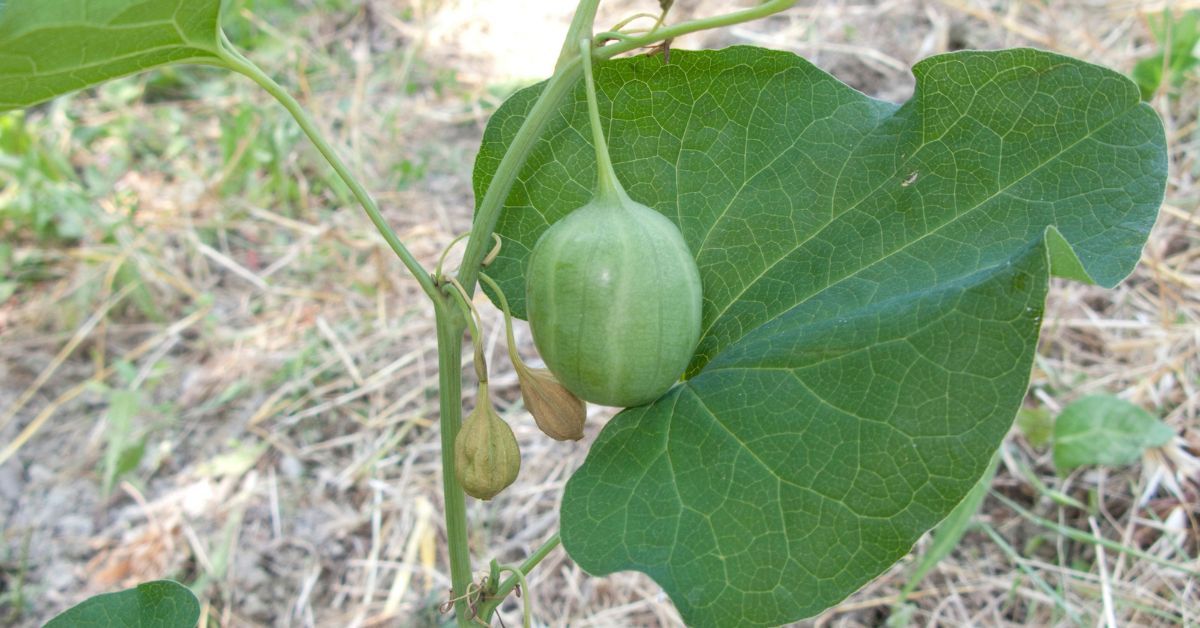
Birthwort (Aristolochia clematitis) is a plant found in Europe, whose root and leaves were historically used for medicinal purposes.
Main active compound:
- aristolochic acid
This compound is responsible for both the plant’s effects and the way it should be used.
How was it used in traditional medicine?
Birthwort was primarily applied externally for various skin-related conditions.
Most common uses:
- wound treatment
- inflammatory skin conditions
- slow-healing surfaces
- joint pain
According to traditional use, it helped reduce inflammation and supported regeneration.
Wound healing and skin issues
One of the best-known applications of birthwort is related to wound care.
Its effects:
- anti-inflammatory
- mildly antiseptic
- may support skin regeneration
It was used for:
- minor injuries
- skin irritation
- slow-healing areas
Application:
As a wash or compress.
Relief of joint complaints
The plant was also used for musculoskeletal issues.
It may have been applied for:
- joint pain
- strains
- local inflammation
Used as a compress, the goal was to relieve pain and support recovery.
How to use it
Traditionally, birthwort was used externally.
Main forms:
- washes
- compresses
- topical preparations
Simple compress preparation:
- prepare a decoction from the plant parts
- allow it to cool
- apply to the affected area with gauze
It is important to apply only on intact skin.
Safety considerations
The method of application is especially important with birthwort.
- not for internal use
- recommended for external use only
- not suitable for long-term continuous use
Due to its active compounds, it is now used more cautiously and in a targeted way.
Why is it still remembered?
Although more modern and safer options are available today, birthwort has retained its place among traditional medicinal herbs.
This is because:
- it has a long history of use
- it was applied for multiple conditions
- external use often brought quick relief
Birthwort is a traditional herb primarily used externally for wounds, skin problems, and joint complaints. Its anti-inflammatory and regenerative-supporting effects made it well known.
Today, it is used more consciously and with greater caution, but with proper application, it can still be part of a natural herbal toolkit.