Urinary tract infections can be extremely uncomfortable. Frequent urination, burning sensations, and lower abdominal discomfort often make people look for fast relief. In phytotherapy, bearberry leaf is one of the most well-known herbs used to support urinary tract health. This is no coincidence: bearberry is considered one of the best-known natural urinary antiseptic herbs. At the same time, it is not a plant intended for unlimited or long-term use. Its active compounds are powerful, making conscious and short-term application especially important.
What is bearberry?
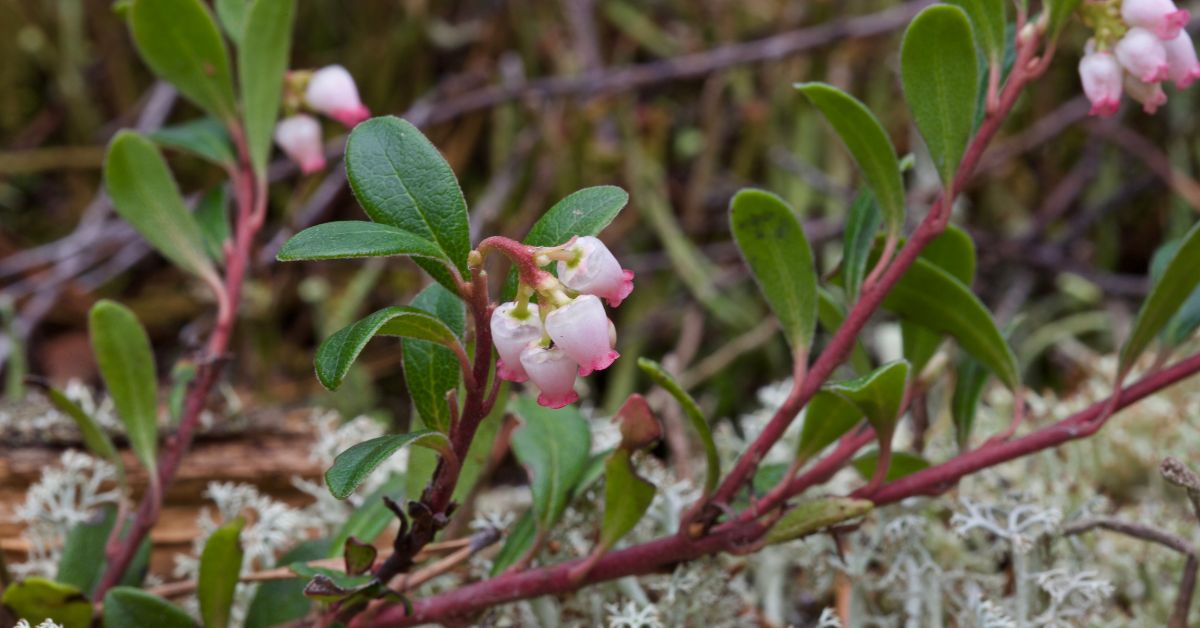
Bearberry (Arctostaphylos uva-ursi) is an evergreen shrub whose leaves are primarily used in herbal medicine.
Its most important active compounds include:
- hydroquinone derivatives
- arbutin
- methylarbutin
- flavonoids
- tannins
The best-known compound is arbutin, which is transformed in the urinary tract into substances with antiseptic properties.
How does bearberry work?
One of the most important properties of bearberry leaf is its urinary antiseptic effect.
Arbutin:
- is broken down in the body
- then excreted through the urinary tract
During this process, compounds may form that:
- inhibit the growth of certain bacteria
- support cleansing of the urinary tract
In addition, bearberry also has mild diuretic properties, which may help:
- flush the urinary tract
- reduce stagnant urine
Cystitis and urinary tract infections
The best-known use of bearberry leaf is supporting lower urinary tract infections and inflammatory conditions.
It is most commonly used for:
- cystitis (bladder inflammation)
- mild urinary tract infections
It may help:
- reduce uncomfortable symptoms
- support urinary tract cleansing
- ease inflammation
Natural urinary antiseptic effect
Bearberry is often referred to as a natural “urinary disinfectant.”
However, this does not mean classical disinfection. Instead, it helps create a urinary environment that is less favorable for bacterial growth.
For this reason, it is often used:
- in the early stages of symptoms
- for milder complaints
Mild diuretic properties
Bearberry’s mild diuretic effect is also important.
Increased urination may:
- help flush the urinary tract
- support bacterial elimination
This is why adequate fluid intake is especially important while using bearberry leaf.
How is bearberry used?
Tea
Bearberry leaf can be prepared as a tea.
General preparation:
- dried leaves are infused or soaked
- used in short-term courses
The tea is mainly associated with urinary tract complaints.
Supplements
Bearberry is also commonly found in:
- capsules
- tablets
- complex urinary support formulas
These forms provide:
- more accurate dosing
- easier use
What should you pay attention to?
Moderation is especially important when using bearberry leaf.
Short-term use only
Bearberry is generally recommended for:
- no longer than 1–2 weeks
Longer continuous use is not advised.
Possible side effects
Excessive or prolonged use may lead to:
- stomach irritation
- constipation
Its high tannin content may:
- irritate the digestive tract
- contribute to constipation due to its astringent effects
Reduced absorption of other substances
Bearberry may also affect the absorption of certain medications and nutrients.
For this reason, it is recommended to take it separately from other supplements or medicines.
When may bearberry leaf be useful?
Bearberry leaf may be particularly beneficial when:
- urinary irritation develops
- frequent urination occurs
- mild bladder discomfort appears
- natural urinary support is desired
Important: when should you see a doctor?
In some cases, urinary tract infections may become serious.
Medical attention is essential if:
- fever develops
- lower back pain appears
- blood is present in the urine
- symptoms do not improve
Bearberry should not replace medical treatment in cases of severe infection.
Bearberry leaf is one of the best-known medicinal herbs for urinary tract support, especially in cases of cystitis and mild urinary infections. Thanks to its arbutin content, it may provide natural urinary antiseptic effects while also supporting urinary flushing through mild diuretic action.
It can be an effective herbal remedy — but only when used consciously and for short periods of time.