Vitamin C is one of the best-known and most frequently mentioned vitamins—but do we really understand all of its effects? Does it truly strengthen the immune system, or is that just an old myth? Which sources are worth choosing, and how much do we actually need on a daily basis? In this article, we uncover the truth about vitamin C: we will discuss the difference between natural and synthetic forms, proper dosage, absorption efficiency, and whether it is possible to overconsume it. Read on to learn everything about this essential vitamin.
Vitamin C, also known as ascorbic acid, is a water-soluble vitamin that plays a vital role in numerous biochemical processes in the human body. Since the human body cannot produce this vitamin on its own, adequate daily intake is necessary.
The chemical structure and isomers of vitamin C
Chemically, vitamin C is known as ascorbic acid, which exists in two stereoisomer forms: the L- and D-forms. L-ascorbic acid is the biologically active form that the body can utilize, whereas D-ascorbic acid is not usable by the human body. Natural sources of vitamin C contain exclusively the L-form, while during synthetic production both isomers are often present.
Natural sources of vitamin C
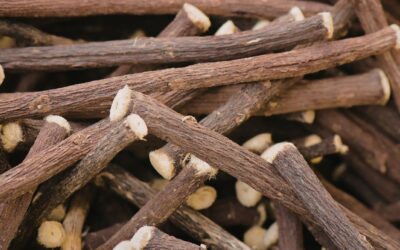
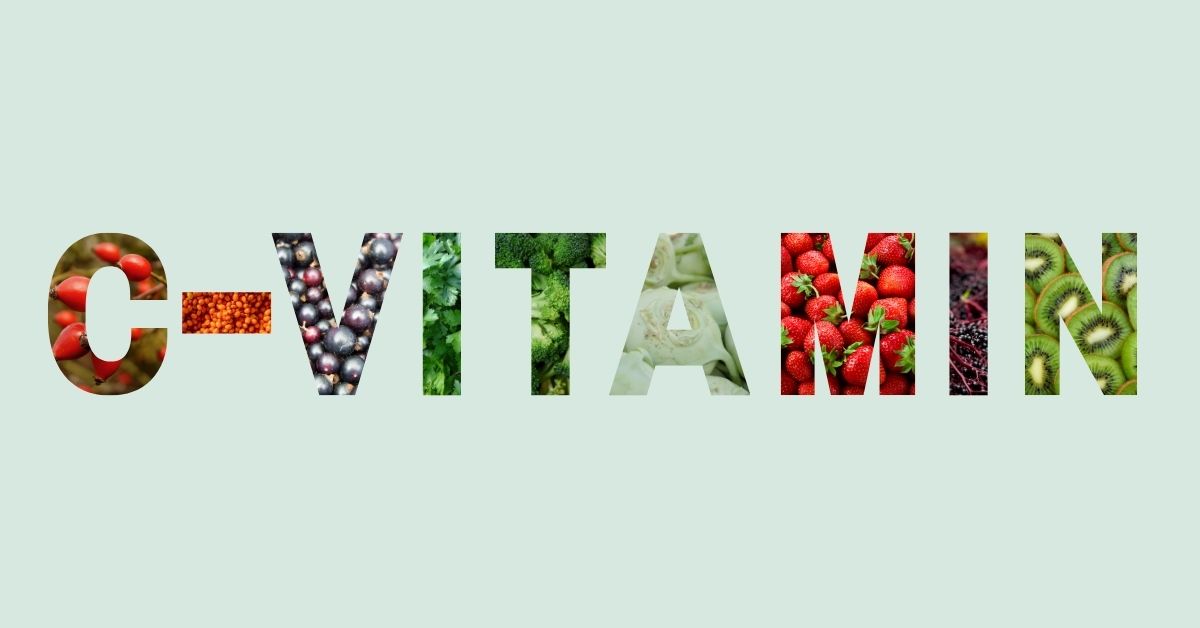
In the past, Iris and Gladiolus species were used as primary sources of vitamin C before synthetic production became widespread. Today, rosehip and sea buckthorn are outstanding natural sources of vitamin C. Rosehip, for example, may contain up to 400 mg of vitamin C per 100 grams, while sea buckthorn contains between 100–450 mg per 100 grams, depending on the variety.
The table below shows the vitamin C content of some common foods?
| Food | Vitamin C content (mg/100 g) |
| Fresh rosehip | 400 |
| Blackcurrant | 160 |
| Parsley greens | 160 |
| Green pepper | 120 |
| Broccoli | 110 |
| Kohlrabi | 70 |
| White cabbage | 40 |
| Strawberry | 40 |
| Elderberry | 37,1 |
| Kiwi | 36,7 |
| Orange | 35,4 |
| Lemon juice | 34 |
| Spinach | 30 |
| Veal liver | 20 |
| Lemon juice | 28,2 |
| Raspberry | 27,7 |
| Fresh grapefruit juice | 26,3 |
| Onion | 26,2 |
| Tomato (field-grown) | 25 |
| Green peas | 20 |
| Blackberry | 20 |
| Tofu | 18,5 |
| Potato (summer) | 20 |
| Artichoke | 10,2 |
| Apple | 5 |
It is worth noting that the vitamin C content of apples has significantly decreased over recent decades; over the past 30 years it has fallen to one-tenth of its former level. Even previously, the vitamin was concentrated mainly in the peel rather than in the flesh.
Absorption and recommended daily intake
The absorption of vitamin C is dose-dependent. When approximately 1 gram is consumed at once, absorption is about 75%. At doses of 5 grams or more, absorption drops to only 20%.
This means that consuming large amounts at once is not advisable, as the body cannot utilize it efficiently. Approximately 500 mg is the amount that is optimally absorbed at one time, so it is recommended to divide the daily dose into several portions.
The officially recommended daily intake of vitamin C is 60 mg, which is sufficient to prevent scurvy. However, maintaining optimal health and proper immune function may require higher amounts. For antioxidant effects and immune support, several hundred milligrams per day are recommended.
During the winter months, a daily intake of 1000 mg is particularly advisable to support the immune system.
Physiological roles and deficiency symptoms
Vitamin C participates in numerous physiological processes:
Collagen synthesis: Essential for the formation of collagen, which is a fundamental component of skin, tendons, ligaments, and blood vessels.
Antioxidant protection: Neutralizes free radicals, thereby protecting cells from oxidative damage.
Immune system support: Although vitamin C does not have a direct immune-boosting effect, deficiency weakens the immune system, increasing susceptibility to infections.
Protection of the circulatory system and blood vessels: Contributes to maintaining the elasticity of blood vessel walls, reducing the risk of cardiovascular disease.
Enhancement of iron absorption: Improves the absorption of non-heme iron (iron from plant sources), making it particularly important for individuals following vegetarian or vegan diets.
Deficiency and overdose
The most extreme form of vitamin C deficiency is scurvy, characterized by severe symptoms such as bleeding gums, tooth loss, slow wound healing, and anemia. Although rare today, mild vitamin C deficiency may be more common and can manifest as fatigue, frequent illness, or dry skin.
Excessive intake of vitamin C may also cause problems. Daily amounts exceeding 5 grams increase the risk of kidney stone formation, while doses above 10 grams may lead to nausea, diarrhea, skin rashes, and frequent urination.
Another phenomenon is the rebound effect: if someone takes high doses for a prolonged period and then suddenly stops, they may temporarily become more susceptible to illness.
Stability and storage
Vitamin C is sensitive to light, heat, oxygen, and metal ions, so its content can decrease rapidly during storage and food preparation. Significant losses may occur within just a few days, especially if food is improperly stored.
Cigarette smoke also negatively affects vitamin C levels in the body; therefore, smokers are advised to ensure higher intake.
Vitamin C is indispensable for the human body, and obtaining it from natural sources is the most beneficial approach. Although the officially recommended daily intake is only 60 mg, optimal health requires more—especially during winter. However, excessive intake may cause unpleasant side effects, so proper dosage and distribution should always be considered.