
Headaches, bloating, or seasonal respiratory illnesses often lead many people to seek natural remedies. Peppermint essential oil is one of the best-known and most versatile oils in aromatherapy, and it has been used for centuries to help relieve digestive discomfort, headaches, and respiratory issues. Its fresh, menthol-like aroma instantly awakens the senses while offering several potential benefits for the body. At the same time, peppermint essential oil is very potent, which means it should always be used with awareness and care.
The plant behind the refreshing essential oil
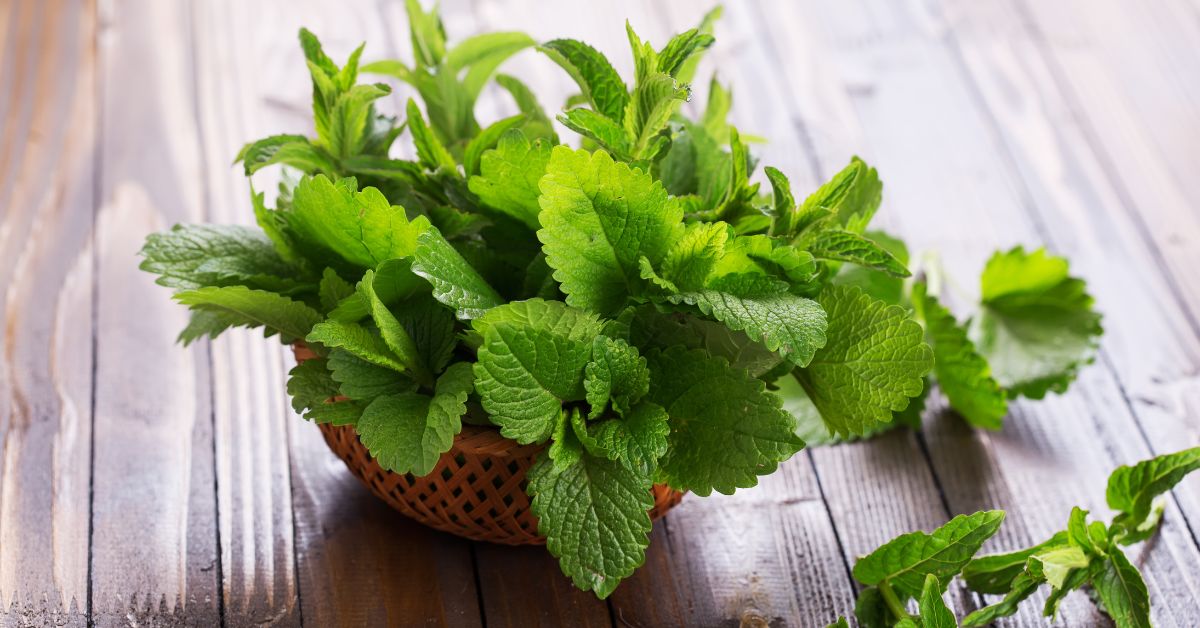
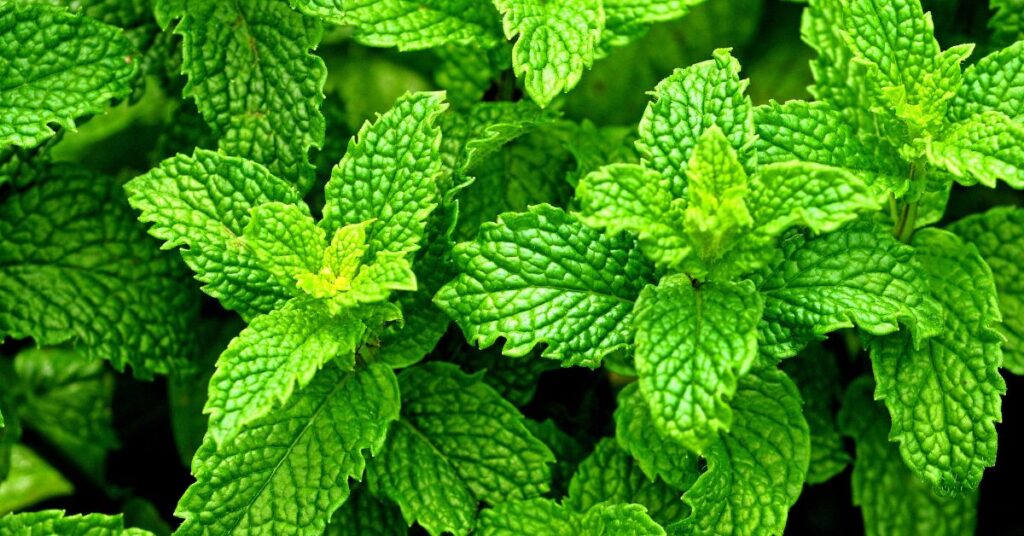
Peppermint essential oil (Aetheroleum menthae piperitae) is derived from the plant Mentha × piperita, which belongs to the mint family (Lamiaceae). Peppermint is actually a hybrid plant created by crossing water mint and spearmint.
Peppermint is native to several continents. Its natural habitats include Europe, Russia, and both North and South America, but it is also widely cultivated in Egypt and India.
What gives peppermint essential oil its characteristic strength?
The effects of peppermint essential oil are primarily due to compounds such as menthol, menthyl acetate, and menthone. Menthol is particularly important: it creates a cooling sensation on the skin while also having mild local anesthetic and pain-relieving properties.
This cooling effect results from its influence on nerve endings, which explains why peppermint essential oil is so commonly used for headaches or muscle tension.
Peppermint’s role in supporting digestion
Peppermint has long been known for its beneficial effects on the digestive system. Its essential oil may help relieve stomach and intestinal cramps as well as bloating. Menthol can relax the smooth muscles of the digestive tract, which may reduce spasmodic pain.
Peppermint essential oil may also stimulate bile flow and support digestion, helping the body break down fatty foods. For this reason, it is often used for digestive discomfort, a feeling of fullness, or bloating.
Cooling relief for headaches and muscle tension
One of the most well-known uses of peppermint essential oil is headache relief. When diluted and gently massaged onto the temples or the back of the neck, it may provide a cooling and pain-relieving effect. Menthol may also improve local circulation, which can help reduce tension headaches or migraine symptoms.
Peppermint oil can also be useful in massage oils for muscle tension or minor strains. Its mild vasodilating and pain-relieving properties may contribute to muscle relaxation.
Supporting respiratory comfort
One of peppermint essential oil’s best-known properties is its ability to refresh the airways. When inhaled, it can help create a sensation of clearer breathing, which is why it is often used in diffusers or inhalations during colds, nasal congestion, or respiratory illnesses.
Due to its antibacterial and cleansing properties, peppermint essential oil may also contribute to purifying indoor air.
When your brain needs a boost
In aromatherapy, peppermint essential oil is widely known for its stimulating effects. Its fresh scent may increase alertness, support concentration, and help reduce mental fatigue.
For this reason, many people diffuse peppermint oil while studying, working, or performing tasks that require prolonged focus.
Safe use
Peppermint essential oil is a powerful preparation and therefore requires careful use. In large amounts it may be mildly toxic, so it should always be used in diluted form.
Special caution is required with children: it is not recommended to apply peppermint oil around the nose or inside the nasal area for children under six years of age, as menthol may trigger bronchospasm.
Before applying peppermint essential oil to the skin, it is always advisable to perform a patch test to avoid possible irritation.
Peppermint essential oil is one of the most versatile and widely used oils in aromatherapy. It may help with digestive discomfort, headaches, muscle pain, or respiratory illnesses, while its refreshing aroma can also reduce mental fatigue.
However, due to its potency, proper dilution and careful use are always essential. When used consciously, peppermint essential oil can truly become a valuable part of a natural health-support routine.