
Coughing is an everyday issue that affects almost everyone at some point, especially during the autumn and winter months. But do we actually know when a cough should be suppressed — and when it’s better to let the body do its job? In this article, we’ll explore why it’s essential to distinguish between dry and productive cough, and how choosing the right treatment approach can make all the difference. Keep reading to discover how medicinal herbs can support faster and more effective recovery.
Coughing is a natural reflex triggered by irritation of the respiratory mucosa. This irritation can be caused by infections, allergies, dry air, or even chemical substances. While coughing itself is not a disease, it is often a symptom of an underlying issue.
For effective treatment, it’s crucial to distinguish between its two main types: dry (non-productive) cough and productive (mucus-producing) cough.
Dry cough: causes, symptoms, and treatment
In the case of dry cough, there is no mucus production — meaning the cough is “non-productive.” This type is often triggered by dryness and inflammation of the airway mucosa.
Dry cough can be particularly irritating and exhausting, especially when it persists over time. Continuous coughing further dries out the mucous membranes, which can worsen the irritation and create a vicious cycle.
The goal of treatment
When treating dry cough, the primary objective is to reduce the cough reflex and protect the irritated mucosa.
This is typically achieved with mucilage-containing medicinal herbs, which act as natural coating agents. These substances form a protective layer over the mucous membranes, reducing irritation and calming the cough reflex.
Since mucilage compounds are water-soluble, it’s important not to consume large amounts of liquid immediately afterward — otherwise the protective layer may dissolve too quickly.
Herbal remedies for dry cough
- Marshmallow root (Althaea officinalis)
Rich in mucilage, marshmallow root effectively coats and protects irritated mucous membranes. - Ribwort plantain (Plantago lanceolata)
Its mucilage content soothes cough while also offering anti-inflammatory effects. - Linden flower (Tilia spp.)
Linden tea gently calms the throat and reduces irritation.
Practical application tips
The protective effect of mucilage-containing herbs typically lasts about 40–45 minutes, as the coating can gradually dissolve.
For this reason, it’s advisable to drink small amounts (around 100 ml) of herbal tea multiple times a day — even 5–6 times daily — to continuously restore the protective layer.
Generally, consuming 2–3 cups of herbal tea per day is recommended to maintain mucosal protection without washing it away too quickly.
Productive cough: causes, symptoms, and treatment
Productive (or “wet”) cough involves the production and expulsion of mucus from the lower airways.
This type is commonly caused by viral or bacterial infections, but allergies and chronic respiratory conditions may also contribute. In productive cough, the goal is not suppression — but rather supporting the elimination of mucus, which helps clear the airways and reduce infection risk.
The goal of treatment
Productive cough is treated with expectorants, which help thin and loosen mucus so it can be expelled more easily.
Many expectorant herbs contain saponins, which stimulate mucus clearance through a reflex mechanism. However, it’s important to stop using expectorants once mucus is no longer present — otherwise they may unnecessarily prolong the cough reflex.
Expectorants are not recommended in the evening, as increased coughing may interfere with restful sleep.
Herbal remedies for productive cough
- Primrose (Primula spp.)
The root contains saponins that help loosen and eliminate mucus. - Thyme (Thymus vulgaris)
Known for its anti-inflammatory and antibacterial properties, thyme also supports mucus clearance. - Licorice root (Glycyrrhiza glabra)
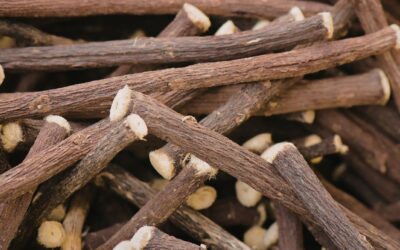
In addition to saponins, licorice offers anti-inflammatory effects and supports respiratory cleansing.
Practical application tip
During the day, expectorants can be used to support mucus elimination.
At night, however, a mild cough suppressant may be preferable to ensure uninterrupted sleep.
Productive cough: causes, symptoms, and treatment
Productive (or “wet”) cough involves the production and expulsion of mucus from the lower airways.
This type is commonly caused by viral or bacterial infections, but allergies and chronic respiratory conditions may also contribute. In productive cough, the goal is not suppression — but rather supporting the elimination of mucus, which helps clear the airways and reduce infection risk.
The goal of treatment
Productive cough is treated with expectorants, which help thin and loosen mucus so it can be expelled more easily.
Many expectorant herbs contain saponins, which stimulate mucus clearance through a reflex mechanism. However, it’s important to stop using expectorants once mucus is no longer present — otherwise they may unnecessarily prolong the cough reflex.
Expectorants are not recommended in the evening, as increased coughing may interfere with restful sleep.
Herbal remedies for productive cough
- Primrose (Primula spp.)
The root contains saponins that help loosen and eliminate mucus. - Thyme (Thymus vulgaris)
Known for its anti-inflammatory and antibacterial properties, thyme also supports mucus clearance. - Licorice root (Glycyrrhiza glabra)
In addition to saponins, licorice offers anti-inflammatory effects and supports respiratory cleansing.
Practical application tip
During the day, expectorants can be used to support mucus elimination.
At night, however, a mild cough suppressant may be preferable to ensure uninterrupted sleep.
Why proper differentiation is essential
Treating dry and productive cough requires fundamentally different approaches. Using the wrong method can actually worsen the condition.
For example:
- Suppressing a productive cough may prevent mucus from clearing, potentially worsening infection.
- Using expectorants for dry cough may further irritate already sensitive mucous membranes and intensify coughing.
Understanding the type of cough you’re dealing with is therefore key to effective relief.
In dry cough, the aim is to reduce irritation and protect the mucosa.
In productive cough, the goal is to support mucus elimination.
By choosing the appropriate medicinal herbs and preparations, comfort can be significantly improved and recovery accelerated. Always adapt treatment to the symptoms — and consult a healthcare professional if the cough persists or worsens.