
Modern life comes with plenty of challenges — workplace pressure, family responsibilities, constant readiness, and information overload. While our bodies are remarkably adaptable, there comes a point when chronic stress pushes them beyond their limits. That’s where adaptogenic herbs come in: plants that help the body respond to stress more effectively and maintain healthy functioning for longer.But what exactly does “adaptogen” mean, what happens in our bodies under stress, and how can herbs support this process? Let’s explore in detail.
What Is Stress?
The word stress was first used in a scientific context by the renowned Hungarian physician Hans Selye, not as something negative, but as the body’s general response to any challenge — whether pleasant or unpleasant.
When stress occurs, the body enters a state of heightened alert:
- the sympathetic nervous system ramps up,
- pupils dilate,
- blood flow increases to muscles,
- heart rate and breathing quicken,
- and the adrenal glands release energy via stress hormones.
This famous “fight or flight” reaction is meant to help us survive. The real problem isn’t experiencing stress — but when it becomes chronic and the body can’t return to a relaxed, recuperative state.
The three stages of stress
- Alarm Phase – The initial reaction, with a surge of stress hormones and full body activation.
- Resistance Phase – The body tries to adapt and cope with ongoing stress, maintaining readiness but consuming energy.
- Exhaustion Phase – If recovery time is lacking, energy reserves deplete, leading to fatigue, burnout, or even full physical or emotional collapse.
This is where adaptogenic herbs can play a role.
What do adaptogenic herbs actually do?
Adaptogenic herbal drugs are plant-based active substances that can help extend the body’s “resistance” (adaptation) phase under stress. In other words, instead of pushing the body toward exhaustion, they support optimal functioning for as long as possible. Their main effects include:
- Stress-reducing effect
They help normalize stress hormone levels and support balanced nervous system function. - Immunomodulating effect
They strengthen immune function without overstimulating it—regulating it in an adaptive, balanced way. - Nootropic (cognitive-enhancing) effect
They can improve concentration, support memory, and promote cognitive performance. - Anabolic (restorative) effect
They support rebuilding and recovery processes and may help speed up regeneration. - Improved physical performance
They may enhance stamina, support endurance, and help maintain more stable performance over time. - Slowing of aging processes
They can also act as geriatric supportive agents by improving cellular energy supply and defense mechanisms.
Overall, adaptogens don’t “cure” stress. Instead, they help prevent the body from becoming depleted and support more effective adaptation to ongoing demands.
Key characteristics of adaptogenic herbs
Adaptogens share three fundamental characteristics:
- They exert a non-specific effect.
This means they increase the body’s overall resistance to a wide range of stressors — whether physical, chemical, or biological in nature. - They have a normalizing influence.
Adaptogens help restore balance: they can stimulate underactive functions while calming overactive ones. - They are safe and non-toxic when used appropriately.
By definition, true adaptogens must not disrupt normal physiological processes and should be suitable for long-term use under proper guidance.
These criteria distinguish adaptogens from simple stimulants. While stimulants may temporarily increase energy, adaptogens work more subtly by enhancing resilience and supporting systemic balance.
Well-Known Adaptogenic Herbs
Several medicinal plants are traditionally classified as adaptogens and are widely used in herbal medicine today:
1. Ginseng (Panax ginseng)
One of the most powerful adaptogens. It boosts energy, enhances mental performance, and improves the body’s resilience.
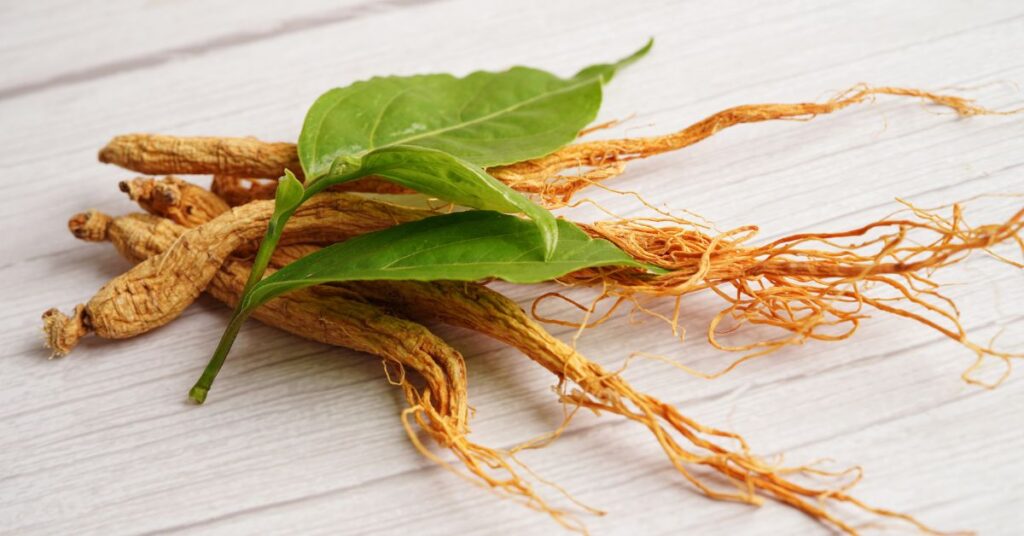
2. Siberian Ginseng / Eleuthero (Eleutherococcus senticosus)
Especially useful for improving physical performance and reducing mental stress. It can be an excellent choice for athletes and during periods of intense mental workload.
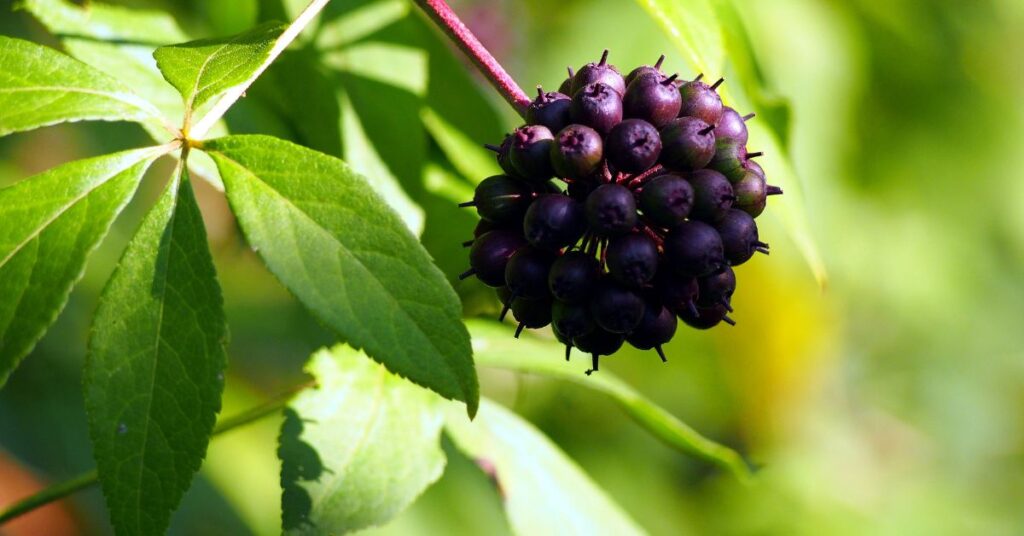
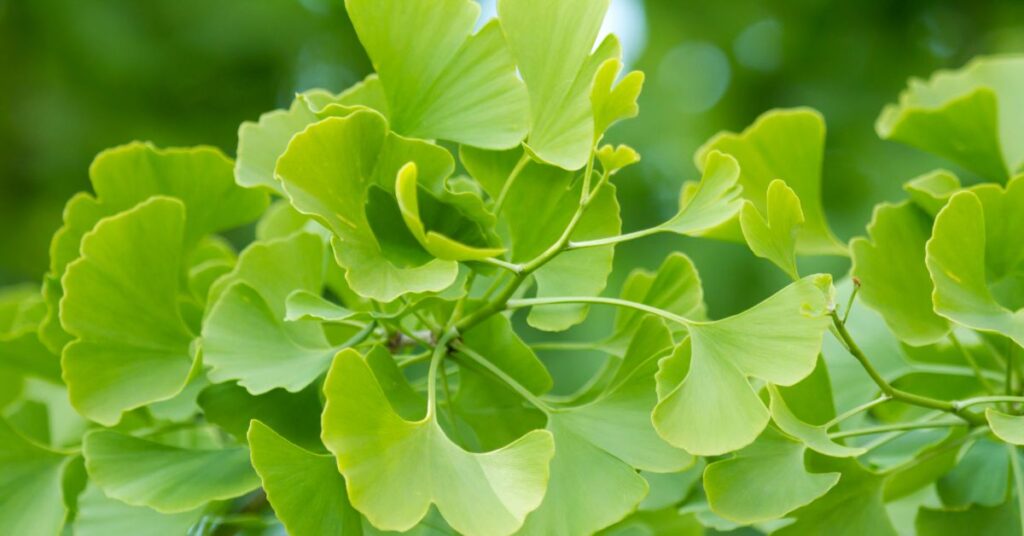
3. Ginkgo Leaf (Ginkgo biloba)
Best known for supporting cerebral circulation. It improves memory and may help slow age-related cognitive decline.
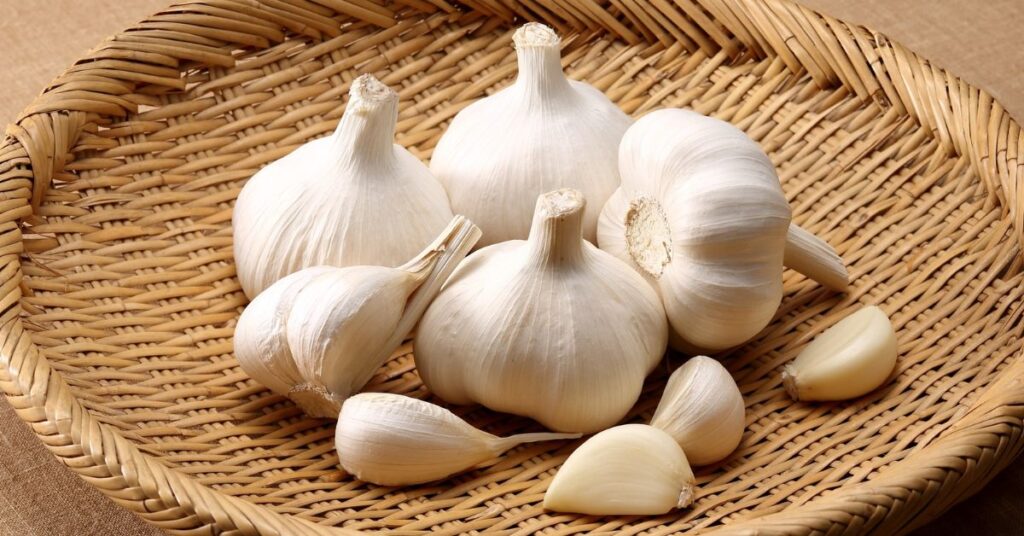
4. Garlic (Allium sativum)
Not only supports circulation, but also has anti-inflammatory and immune-supporting effects.
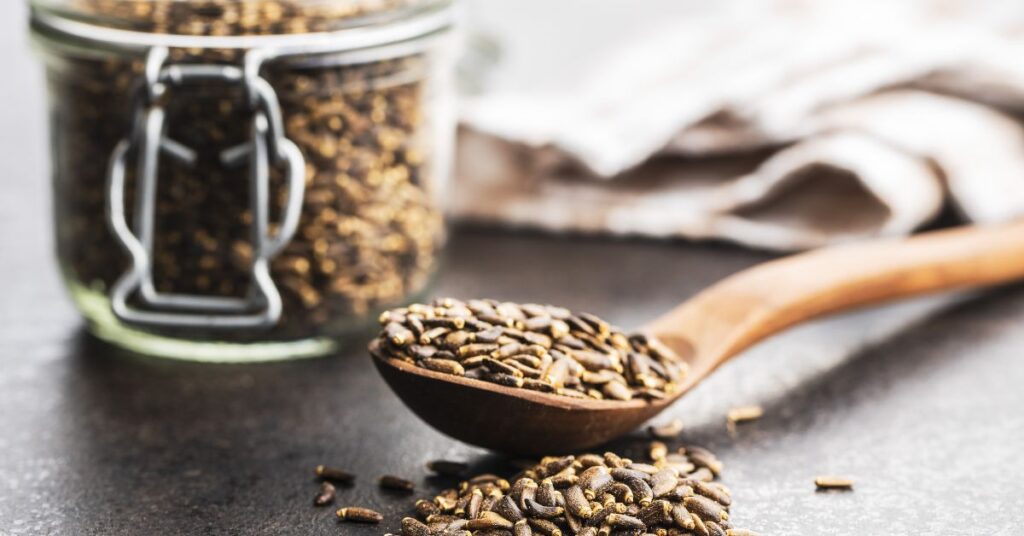
5. Milk Thistle Seed (Silybum marianum)
By protecting the liver, it supports the elimination of toxins—thereby indirectly contributing to the body’s ability to cope with stress.
These plants tend to work best when used long-term, in courses.
Why are adaptogens so important today?
Modern people are often under continuous stress for months or even years—often without fully realizing it.
Adaptogenic herbs can help us:
- become less depleted,
- use up our reserves more slowly,
- adapt better to everyday challenges,
- maintain balance in body and mind,
- become more resilient against illness.
That’s why they are best viewed primarily as preventive, supportive preparations.
Adaptogenic herbs are a special gift from nature: medicinal plants that help the body adapt to stress, maintain internal balance, and prevent exhaustion. Their effect is not a miracle cure—but when used regularly, they help keep the body within an optimal range of functioning, exactly where modern life puts us to the test.
Adaptogenic herbs don’t put out the fire—they make the body more resilient, so the fire may never ignite in the first place.
Az adaptogén drogok a természet különleges ajándékai: olyan gyógynövények, amelyek segítik a szervezetet alkalmazkodni a stresszhez, fenntartani a belső egyensúlyt, és megelőzni a kimerülést. Hatásuk nem csodamódszer, de rendszeres fogyasztás mellett a test működését optimális tartományban tartják – pont ott, ahol a modern élet próbára tesz bennünket.
Az adaptogén gyógynövények nem tüzet oltanak – hanem ellenállóbbá teszik a szervezetünket, hogy a tűz ki se gyulladjon.