
Tension, irritability, breast tenderness, mood swings — and your period hasn’t even started yet. When the same symptoms return month after month, it’s easy to feel like “this is just how it is” and nothing can be done. Yet there are medicinal plants that don’t offer quick, temporary relief, but instead help restore balance over time. Chaste tree is one of them.
What is chaste tree, and what makes it special?
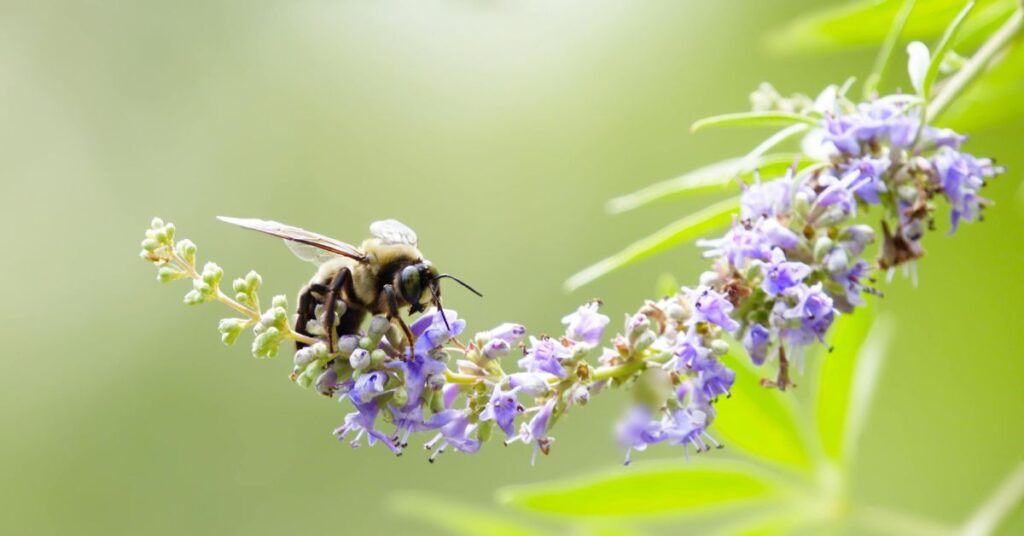
Chaste tree (Vitex agnus-castus) is a long-used medicinal plant, whose fruit is applied in phytotherapy. It is best known for supporting women’s hormonal health, particularly in relieving symptoms of premenstrual syndrome (PMS).
Its active compounds include iridoid glycosides, diterpenes, and flavonoids (such as casticin), which influence the hormonal system — not by supplying hormones directly, but by supporting the body’s own regulatory processes.
How does it affect PMS symptoms?
One of the most important effects of chaste tree is its ability to help reduce prolactin levels. Prolactin is a hormone that, when elevated, may contribute to several PMS symptoms.
As a result, chaste tree may help:
reduce breast tenderness
ease irritability
stabilize mood swings
relieve inner tension
It is important to note, however, that this is not a fast-acting remedy. It does not provide immediate relief for a difficult day but works gradually over time.
Not a quick fix, but a course-based approach
Patience is essential when using chaste tree. Its effects usually do not appear during the first cycle but become noticeable after at least 2–3 months of consistent use.
This is because the plant does not act only on symptoms but helps fine-tune hormonal regulation. The body needs time to respond, and balance is restored gradually.
For this reason, it is recommended to use it as a course rather than occasionally.
When can it be particularly useful?
Chaste tree may be especially beneficial for women who experience recurring PMS symptoms that significantly affect their well-being.
Typical cases include:
- breast tenderness before menstruation
- mood swings and irritability
- inner tension
- cycle-related discomfort
Over time, it may help make these symptoms milder and less disruptive to daily life.
How should it be used?
Chaste tree is most commonly used in the form of standardized preparations, as this ensures a consistent and reliable active compound content.
Common forms of use include:
- tablets
- capsules
- liquid extracts (tinctures)
Important considerations:
- use daily and consistently
- continue for at least 3 months
- do not use occasionally
The exact dosage always depends on the specific product.
What should you be aware of?
Although chaste tree is of natural origin, its hormonal effects mean it is not suitable in all cases.
It is not recommended:
- during pregnancy or breastfeeding
- alongside hormonal medications (e.g., contraceptives) without medical consultation
- in hormone-sensitive conditions
If you are unsure, it is advisable to consult a professional before use.
Chaste tree is not a quick solution for PMS symptoms — but over time, it may bring real change. It does not suppress symptoms but supports the body in restoring its natural balance.
If the same symptoms return month after month and you are looking for a natural way to improve your well-being, chaste tree can be a thoughtful, patience-requiring, yet effective option.