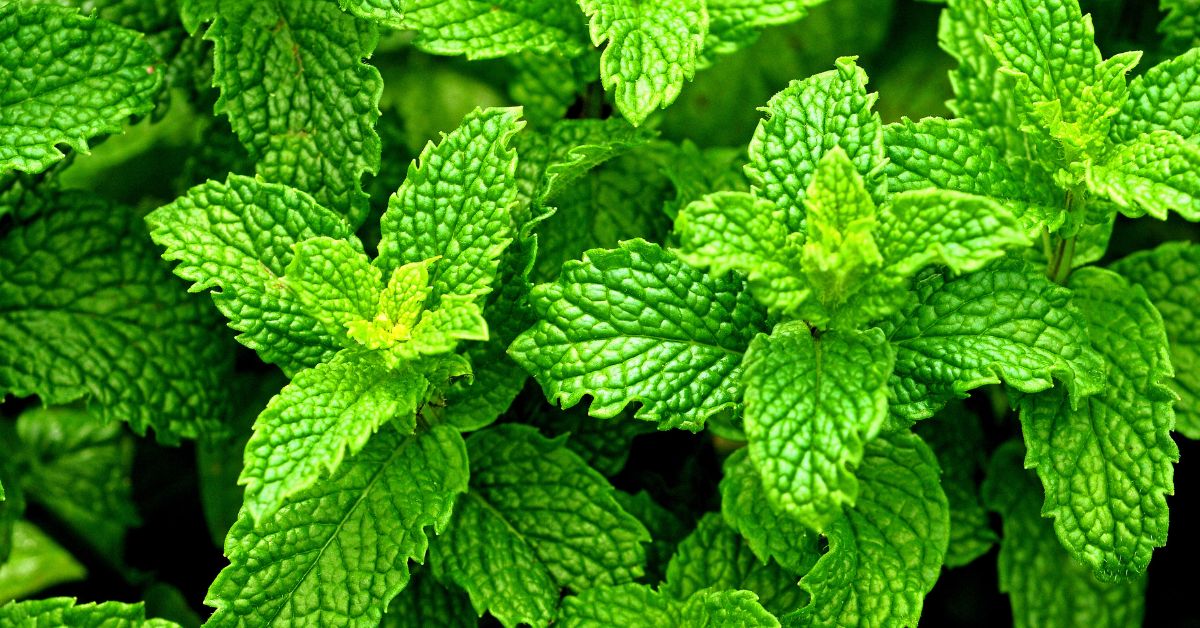
There’s probably no one on the planet who hasn’t met peppermint in some form — even if it was “just” a menthol candy or a piece of chewing gum. What many people don’t realize, though, is that peppermint leaves have been used for centuries across Greek, Roman, Egyptian, Chinese and Japanese traditions not only in food, but for health purposes too. Peppermint is still a go-to herb today, and in this article I’ll show you three practical ways you can use it — for digestion, for respiratory comfort, and for your mood and mental focus.
1. Peppermint for digestion support
Peppermint is one of the best-known herbs for easing digestive discomfort — and for good reason. Both the leaves and the essential oil can support the digestive system in several ways.
Peppermint is considered a carminative herb, meaning it can help reduce intestinal gas and bloating. The menthol in peppermint oil can relax spasms in the smooth muscles of the gut, which may ease cramping and that tight, uncomfortable “knotted” feeling. Menthol can also support bile production, which is important for digestion and fat breakdown.
The easiest everyday option: peppermint tea
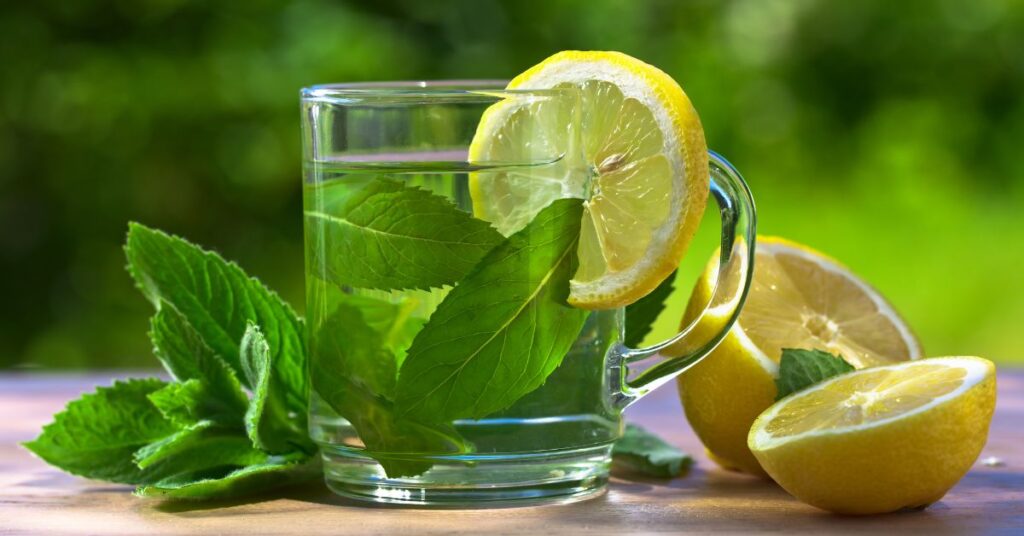
Peppermint tea is one of the simplest ways to benefit from these effects. A cup after a meal can be helpful for complaints like mild indigestion, nausea, and that heavy feeling after eating. It’s pleasant, gentle, and naturally calming for the stomach and intestines.
A research note you can keep in the article
In a scientific study, a properly balanced combination of peppermint oil and caraway seed had a positive effect in people with non-ulcer dyspepsia (chronic indigestion without an ulcer). After four weeks, peppermint + caraway capsules significantly reduced dyspepsia-related pain. Pain decreased in 89.5% of participants in the herbal-capsule group (May et al., 1996).
When to be careful
Peppermint isn’t ideal for everyone. If you struggle with heartburn or acid reflux, use it cautiously — peppermint oil may worsen reflux symptoms in some people.
2. Peppermint for respiratory comfort
Peppermint can also be a helpful ally for respiratory complaints. The menthol in peppermint essential oil has a cooling, soothing effect that many people experience as “airway-opening” and refreshing.
Inhalation for congestion and stuffiness
One of the most common uses is steam inhalation. Breathing in peppermint vapor can help you feel like your nose opens up, ease a blocked feeling, and support easier breathing. Menthol can help loosen mucus and calm irritation in the nasal and throat mucosa — which is why many people reach for peppermint during colds, early allergy flare-ups, or when the air feels heavy.
Peppermint is also described as having diaphoretic properties, which may support sweating in the early stage of an illness (Mills & Bone, 2000).
Balms and chest rubs
Peppermint oil is also common in ointments and balms. When applied to the chest and upper back (properly diluted and formulated), it can bring a cooling sensation that many people find comforting during coughs or sore-throat irritation. The menthol effect may also support mucus loosening — which can make breathing feel easier.
What research suggests
Some studies indicate menthol may help reduce bronchial spasms, which can be relevant in conditions like asthma and bronchitis. Peppermint oil is also discussed as having disinfecting properties, potentially supporting the body during respiratory infections.
A clear safety note
Peppermint requires extra caution with small children and people with asthma. Too much menthol can irritate the airways and potentially worsen symptoms in sensitive individuals.
3. Peppermint for mood, focus and the mind
Peppermint isn’t only a “body herb.” Menthol’s cooling, refreshing character is also why peppermint is often used for mental support — especially when you want more clarity, less tension, and better concentration.
Focus and mental freshness
Peppermint’s scent is famously energizing. Many people use it when they feel tired, foggy or mentally drained. Research has found that peppermint aroma can stimulate brain activity, increase alertness, and support memory (Groves, 2016). Other studies also report improvements in cognitive function and memory (Lv et al., 2022; Moss et al., 2008).
Easy way to use it: add a few drops of peppermint essential oil to a diffuser so the room fills with that crisp, clean scent while you work.
Headache support
Peppermint oil can also be used locally for headache relief. Applying diluted peppermint oil to the temples and forehead may help reduce tension and discomfort. One study found that peppermint oil diluted in a 90% ethanol solution significantly reduced headache pain within 15 minutes (Göbel et al., 1996). The cooling menthol effect may relax muscles and ease tension — which can be especially useful in tension-type headaches, and sometimes even in migraine.
Emotional well-being
Peppermint can also support emotional balance in a simple way: it feels uplifting. Diffusing it, or adding it (properly diluted) to a bath, can help shake off the day’s tension and create a fresher, lighter atmosphere.
Peppermint is much more than a flavor in gum. It’s genuinely useful — for digestion, for breathing comfort, and for mental clarity. It’s a good idea to keep dried peppermint leaf at home (for tea), and if you use essential oils, a quality peppermint essential oil can be a versatile “household classic” — used thoughtfully and safely.
References
Göbel, H., Fresenius, J., Heinze, A., Dworschak, M., & Soyka, D. (1996). Effektivität von oleum menthae piperitae und von paracetamol in der therapie des kopfschmerzes vom spannungstyp [Effectiveness of oleum menthae piperitae and paracetamol in therapy of headache of the tension type]. Der Nervenarzt, 67(8), 672–681. https://doi.org/10.1007/s001150050040
Groves, M.N. (2016). Body into balance: An herbal guide to holistic self-care. Storey Publishing.
Lv, X., Feng, Y., Ma, R., Tang, Y., Li, Y., Cui, D., & Wu, Y. (2022). Effects of peppermint essential oil on learning and memory ability in APP/PS1 transgenic mice. Molecules (Basel, Switzerland), 27(7), 2051. https://doi.org/10.3390/molecules27072051
May, B., Kuntz, H. D., Kieser, M., & Köhler, S. (1996). Efficacy of a fixed peppermint oil/caraway oil combination in non-ulcer dyspepsia. Arzneimittel-Forschung, 46(12), 1149–1153.
Mills, S., & Bone, K. (2000). Principles and practice of phytotherapy: Modern herbal medicine. Churchill Livingston.