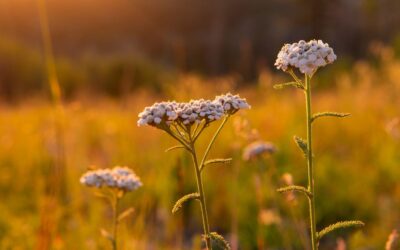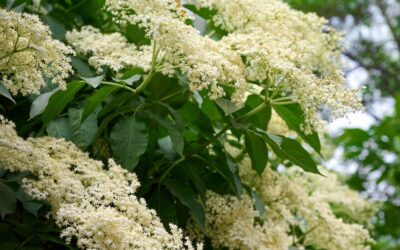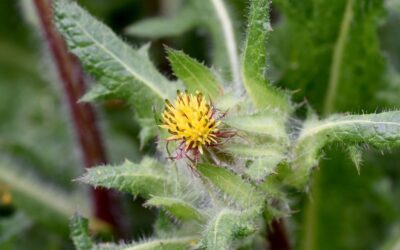
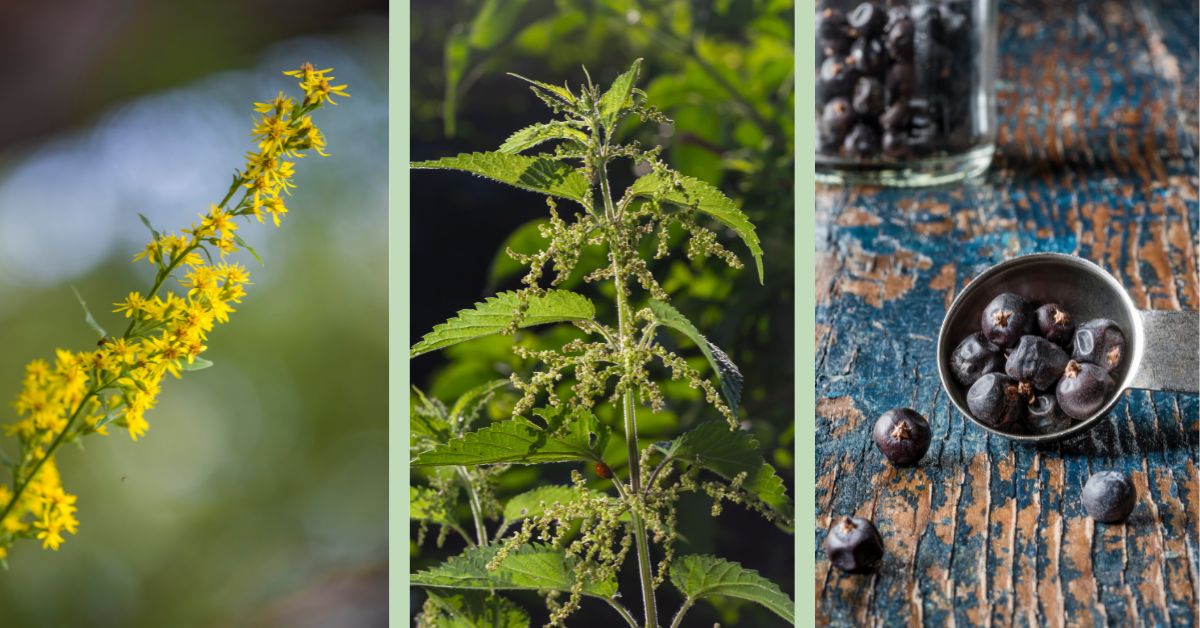
Certain medicinal plants naturally support the regulation of the body’s fluid balance without significantly affecting electrolyte levels. Among them are goldenrod, stinging nettle, and common juniper, all of which have effective diuretic properties. In this article, we present the key characteristics of these three plants, their active compounds, mechanisms of action, methods of use, and possible contraindications.
General characteristics of diuretic herbs
Diuretic herbs increase urine production by stimulating kidney function, thereby helping eliminate excess fluid from the body. Their mechanism is based on enhancing the formation of primary filtrate in the kidneys—that is, the initial urine produced from the blood. This effect is referred to as an “aquaretic” mechanism, as these plants primarily promote water excretion without significantly altering the balance of electrolytes (such as sodium and potassium) in the body.
Electrolyte balance refers to the proper distribution of various ions in the body (such as sodium, potassium, calcium, and magnesium). These charged particles play an essential role in numerous physiological processes, including fluid regulation, cellular function, nerve impulse transmission, and muscle contraction. Maintaining the correct concentration of ions in the blood and cells is crucial for normal body function.
When diuretics are used, electrolyte balance may be disrupted because not only water but also ions are excreted in the urine. Excessive use of diuretics can lower potassium and sodium levels in the blood, potentially leading to health problems such as cardiac arrhythmias or muscle weakness. Therefore, it is important that herbs like goldenrod, juniper, and nettle do not dramatically disturb electrolyte balance, making such imbalances less likely.
As a result, these types of diuretics are not suitable for treating edema caused by heart or kidney disease, as they do not intervene in electrolyte regulation. However, they may be useful in cases where mild regulation of fluid balance is needed, such as during cleansing regimens or therapies aimed at stimulating urination.
An additional advantage of natural diuretics is that they may partially counteract potassium loss caused by certain medications, as many of them contain relatively high levels of potassium. This can be particularly important for individuals regularly taking drugs that may induce potassium deficiency.
Active compounds responsible for diuretic effects
The main active constituents responsible for diuretic action include:
- Flavonoids – antioxidant and vascular-protective compounds that may support kidney function.
- Essential oils – particularly abundant in juniper, stimulating urinary tract function.
- Saponins – possessing mild diuretic and anti-inflammatory properties.
- Potassium – an important electrolyte that supports fluid balance and may reduce potassium loss caused by pharmaceutical diuretics.
Natural diuretics such as goldenrod, nettle, and juniper can provide a mild and safe alternative to pharmaceutical treatments when used appropriately and in moderation.
Diuretic index
The strength of a diuretic effect is measured by the diuretic index, which indicates how much a substance increases urine production compared to the same amount of water consumed.
For example, if a substance has a diuretic index of 1.2, consuming 200 ml of water would result in 240 ml of urine production. The diuretic index of water is 1.0, as drinking 200 ml of water results in 200 ml of urine.
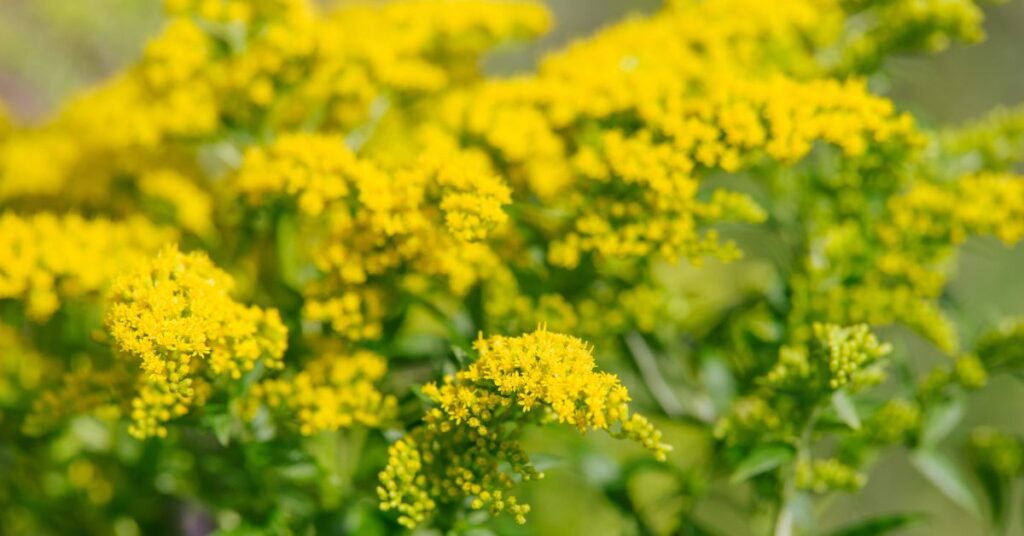
European goldenrod (Solidago virgaurea L.)
Diuretic index: 1.4
Active compounds: flavonoids, triterpene saponins, phenolic glycosides
Effect: European goldenrod has a pure diuretic effect, accompanied by mild analgesic and antipyretic properties. The plant increases blood supply to the renal pelvis, thereby enhancing primary urine production. Its use is contraindicated during pregnancy and in individuals taking heart medications.
Harvesting: Goldenrod flowers continue to bloom even after being cut. If collected at full bloom, the plant may continue flowering during drying and become filled with small, white, hairy seeds. Therefore, it is best harvested in the bud stage or at the beginning of flowering.
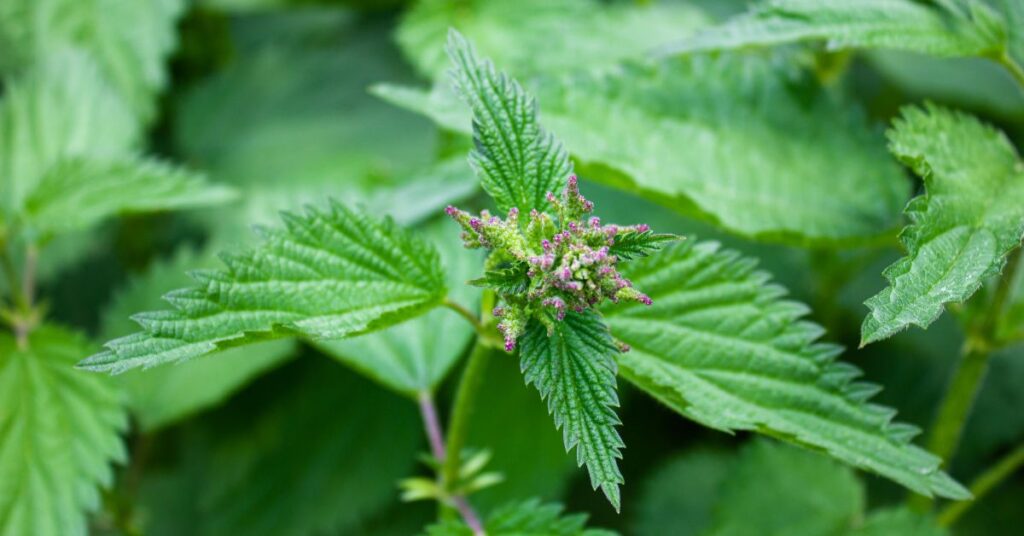
Stinging nettle (Urtica dioica L.)
Diuretic index: 1.3
Active compounds: flavonoids, minerals (particularly high potassium content), chlorophyll
Effect: Nettle tea has diuretic properties and is widely known as a spring cleansing tea. It is generally safe for 2–3 weeks of use, though excessive consumption may cause urticaria (hives) in sensitive individuals.
Harvesting: The leaves are best collected in early spring, when they are less stinging. Traditionally, leaves were harvested using a wire wrapped around the thumb and index finger, pulling upward along the stem—a method that can still be applied today.
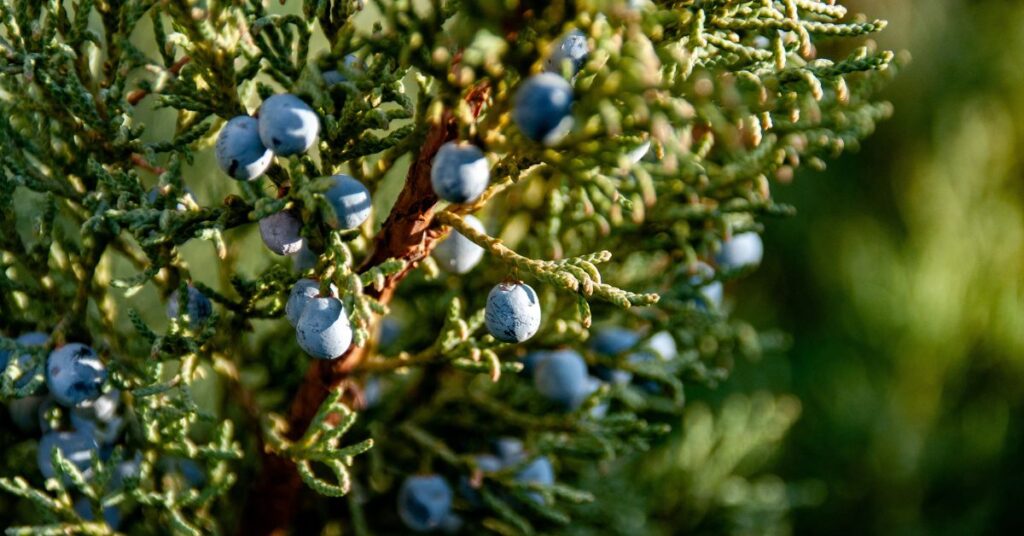
Common juniper (Juniperus communis L.)
Diuretic index: 1.4
Active compounds: essential oils (mainly pinene and limonene), flavonoids, saponins
Effect: Common juniper has strong diuretic and antispasmodic properties. Its use is recommended for no more than 10–12 days, as overdosing may cause kidney irritation, kidney damage, and miscarriage. Traditionally, it was used as a kidney-cleansing tincture with the following dosage schedule: 1 drop on the first day, increasing by 1 drop daily up to 15 drops on day 15, then decreasing by 1 drop daily until returning to 1 drop on day 30.
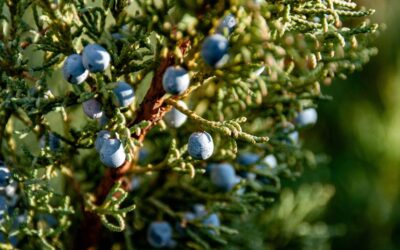
Harvesting: The ripe bluish-black berries are collected in autumn, usually between September and November. Due to the plant’s spiny branches, hand-picking can be difficult and painful. A traditional method involves spreading a large cloth or tarp under the bush and gently shaking the branches so that only fully ripe berries fall. Unripe fruits remain on the plant and ripen the following year.
The use of all three plants can be a natural and safe way to increase urine production when applied properly and in moderation. However, contraindications and potential side effects must be considered, especially during pregnancy, in kidney disease, or when taking medication. Medicinal plants can be valuable components of natural health maintenance, but professional consultation is advisable before use when necessary.