
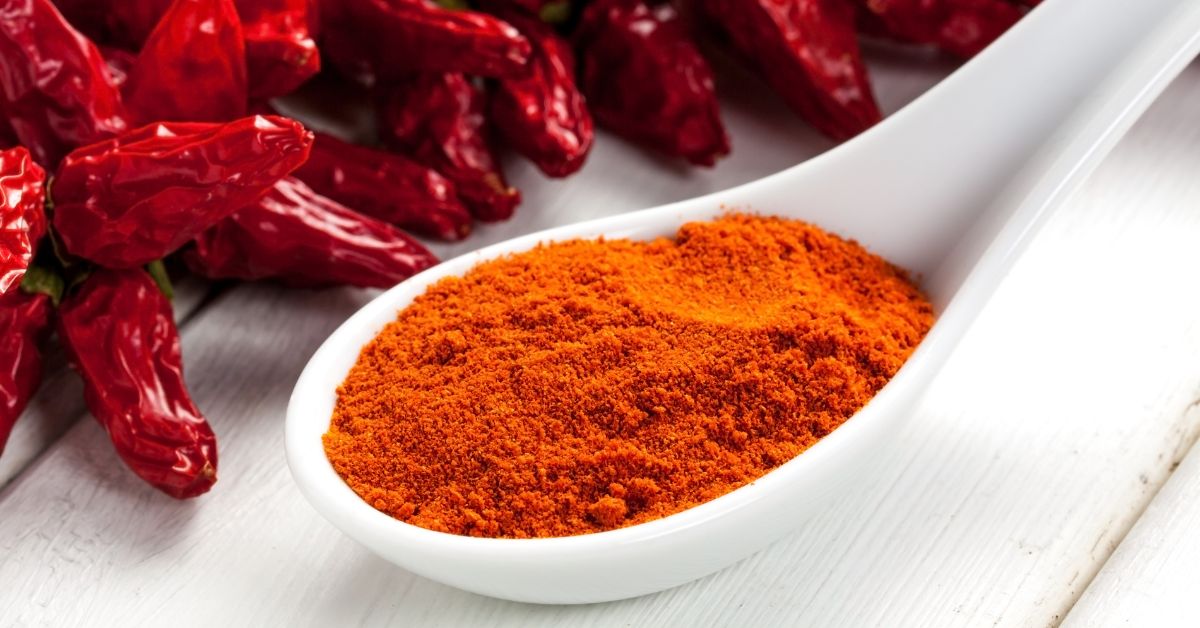
Paprika (Capsicum annuum) is an exceptionally versatile plant that plays an important role not only in the kitchen but also in both traditional and modern medicine. Thanks to its rich content of bioactive compounds — including carotenoids, vitamin C and capsaicinoids — paprika offers a wide range of health benefits.
Active compounds and health benefits
Carotenoids
The vibrant color of paprika comes from carotenoids, powerful antioxidant compounds that help protect cells from damage caused by free radicals. By reducing oxidative stress, these substances may contribute to lowering the risk of chronic diseases.
Vitamin C
Paprika is particularly rich in vitamin C, an essential nutrient for proper immune system function, healthy skin and effective wound healing. Vitamin C also plays a key role in collagen synthesis, which is necessary for maintaining the health of the skin, joints and bones.
Capsaicinoids
The characteristic pungency of paprika is caused by capsaicinoids. These compounds are associated with several beneficial effects, including stimulation of metabolism, support of fat burning processes and pain relief.
Traditional uses
The medicinal use of paprika goes far beyond its modern culinary applications. Traditionally, paprika extracts were often used in tinctures and rubbing alcohol preparations to stimulate digestion and relieve pain.
Supporting digestion
Paprika’s digestive benefits have been known for centuries. Capsaicin stimulates gastric acid production, which promotes digestion and may improve appetite.
Pain-relieving effects
Paprika’s analgesic properties are mainly linked to capsaicinoids. When paprika extract — for example in tincture form — is applied to the skin, it initially produces a warming or burning sensation that may cause redness and mild irritation. This effect usually subsides quickly and is followed by pain relief.
Pain reduction occurs through two main mechanisms:
Stimulation of corticosteroid production
Capsaicinoids promote the production of corticosteroid hormones in the body. These hormones have natural anti-inflammatory and pain-relieving effects, helping reduce discomfort throughout the body.
Release of endogenous opioids
Capsaicinoids also stimulate the body to produce its own natural pain-relieving substances, known as endogenous opioids. These compounds function similarly to pharmaceutical painkillers but are produced naturally by the body itself.
This dual mechanism explains why topical paprika preparations can provide noticeable relief.
Numerous human clinical studies have confirmed the effectiveness of externally applied capsaicin in treating different types of pain, including rheumatic pain, postherpetic neuralgia and diabetic polyneuropathy.
Conditions where capsaicin may help
Rheumatic pain
Capsaicin-containing creams and gels are widely used to relieve joint pain and inflammation associated with rheumatic conditions.
Postherpetic neuralgia
Postherpetic neuralgia is a painful complication that may develop after shingles (herpes zoster). Capsaicin-based preparations can significantly reduce persistent nerve pain in these cases.
Diabetic polyneuropathy
Pain and discomfort caused by diabetic nerve damage may also respond well to capsaicin treatment, which helps reduce peripheral nerve pain and improve quality of life.
Methods of application
Paprika can be used in several forms to support health.
Tinctures and rubbing solutions
Paprika tinctures and rubbing alcohol preparations stimulate circulation, support digestion and help relieve pain when applied locally.
Oil extracts
Paprika oil extracts can be used as salad oils, spice oils or massage oils. Besides enhancing flavor, they may also aid digestion and provide mild analgesic effects.
External preparations
Paprika is commonly available in creams, gels and patches designed for external use. These products help reduce pain and may improve skin circulation.
They should only be applied to intact skin, as the pungent compounds may cause irritation on damaged skin.

Contraindications and possible side effects
When using paprika preparations, individual sensitivity and proper dosage should always be considered.
Overdose
Excessive intake of capsaicin may cause nausea, vomiting and bladder irritation. For this reason, paprika-based products should always be used in moderation and according to recommended guidelines.
Modern pharmaceutical research
Contemporary pharmaceutical research continues to confirm paprika’s analgesic effects. Studies suggest that capsaicin can reduce pain partly by influencing pain perception mechanisms at the spinal cord level, thereby decreasing the transmission of pain signals.
Paprika is far more than a flavorful spice — it is a plant with remarkable therapeutic potential. Its active compounds, including carotenoids, vitamin C and capsaicinoids, help protect cells, support digestion and relieve pain.
Both traditional experience and modern scientific research highlight its effectiveness in managing various types of discomfort. When used responsibly and with attention to proper dosage, paprika can play an important role in maintaining overall health and well-being.