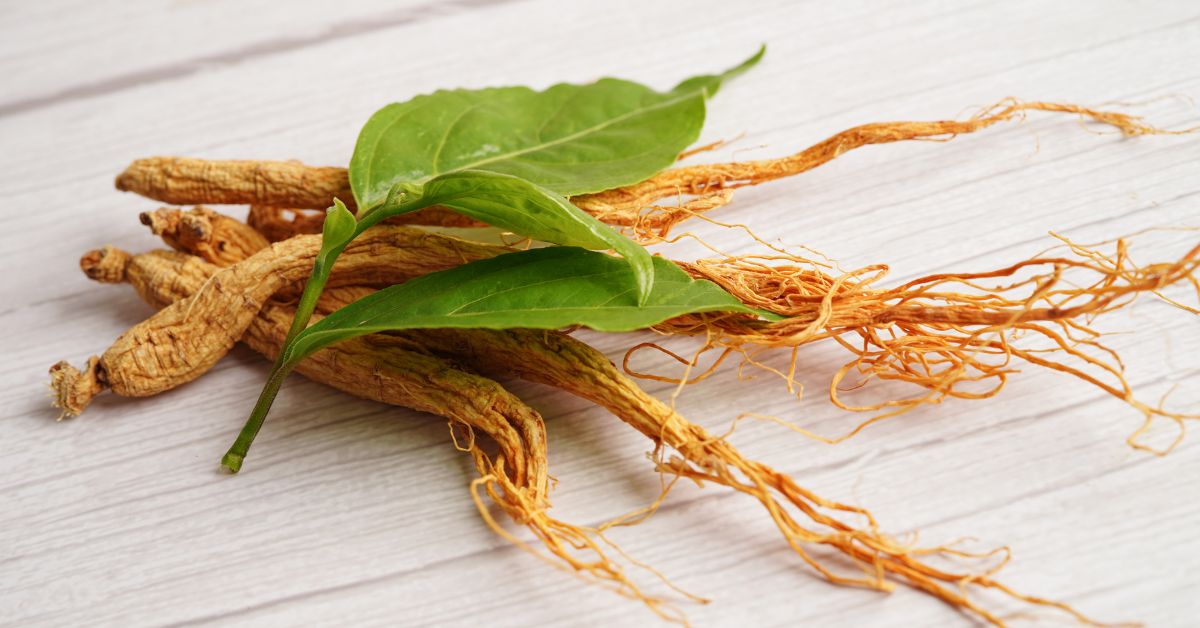
Ginseng (Panax ginseng C.A. Mey), also known as the “power root,” has been a cornerstone of traditional health preservation in China and Korea for more than 2,000 years. This remarkable medicinal plant does more than simply fight fatigue — it enhances performance, reduces stress, and supports the immune system. But how can you harness the benefits of ginseng in your daily life? And why has it become so popular worldwide? Let’s explore the healing potential of this extraordinary root.
Types of ginseng
Wild populations of ginseng have largely been harvested, so the plant is now rarely found in its natural state. Cultivation began around 800 years ago, and today ginseng is grown globally to meet high demand. The most well-known variety is Asian or Korean ginseng (Panax ginseng). There is also American ginseng (Panax quinquefolius), which is generally considered milder in its effects. These varieties are widely used in herbal medicine.
Active compounds and mechanism of action
The medicinally used part of the plant is the root (Ginseng radix). Its main active compounds include:
- Triterpene saponins (ginsenosides)
- Polysaccharides
- Polyacetylenes
Although the exact mechanism of action is not fully understood, certain effects can be linked to specific compounds. For example, ginsenosides possess adaptogenic properties, meaning they help the body adapt to stress and improve overall vitality.
Health benefits of ginseng
Improved physical and mental performance
Ginseng is often used to enhance work performance, increase concentration, and combat fatigue and exhaustion. Studies have shown that it can improve both mental and physical performance, as well as psychomotor function.
Stress reduction and mood support
Thanks to its adaptogenic properties, ginseng increases the body’s resistance to both physical and emotional stress. It also stimulates the non-specific immune system, helping the body cope more effectively with external challenges.
Immune system support
The polysaccharides found in ginseng have immunostimulant effects and may enhance the body’s natural defense mechanisms.
Blood sugar and cholesterol regulation
Ginseng contains compounds known as panaxans, which may help lower blood sugar levels — making it potentially beneficial for individuals with diabetes. It can also regulate LDL cholesterol levels, contributing to the prevention of cardiovascular diseases.
Antioxidant and anti-cancer potential
The antioxidants in ginseng help combat cell-damaging free radicals, slowing cellular aging and inhibiting abnormal cell proliferation. Preclinical studies have shown that ginseng may slow the growth of cancer cells, and research suggests that regular ginseng consumers may have a 20–30% lower incidence of cancer (preventive effect).
Practical tips for consuming ginseng
How to prepare ginseng tea
Making ginseng tea at home is simple:
Bring half a liter of water to a boil.
- Slice the ginseng root into 6–10 thin pieces.
- Add the slices to the water and let them steep, covered, for 5 minutes. The longer it steeps, the stronger the infusion.
- It can be consumed warm or cooled.
- Fresh root can be replaced with one teaspoon of ginseng powder.
Capsules and extracts
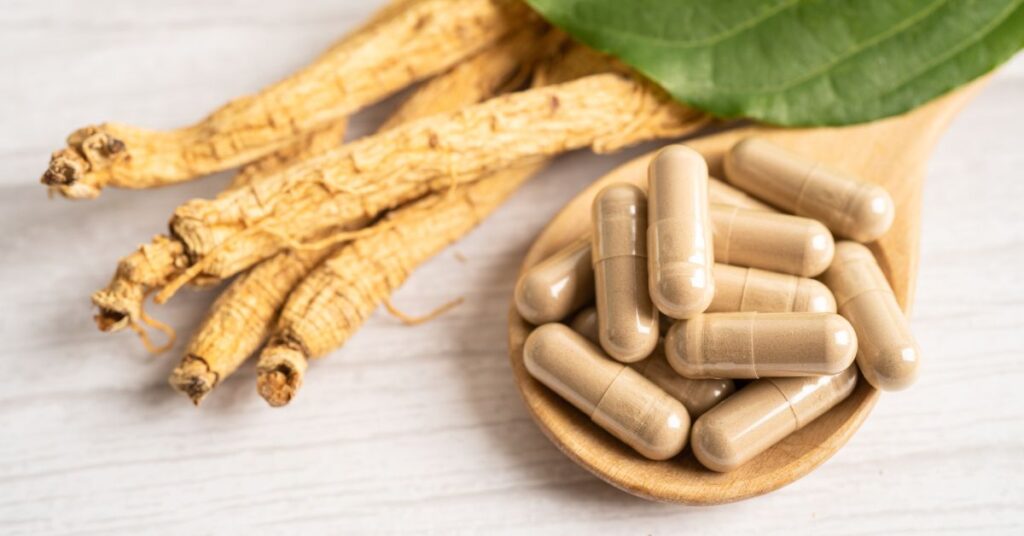
Ginseng is available in several forms, including tea, extracts, and capsules. Standardized extract capsules are especially convenient, as they allow precise dosing and easy integration into daily routines. The typical recommended daily dose is 200–400 mg of ginseng extract, preferably divided into two or three portions. Noticeable effects usually require several weeks of consistent use, and for lasting results, a 2–3 month course may be recommended.
Contraindications and side effects
Ginseng is generally safe when used appropriately, but as with any medicinal herb, potential contraindications and side effects should be considered.
Long-term use beyond three months is not recommended, as it may cause insomnia, irritability, or headaches.
Situations where ginseng should be avoided:
- Hormone therapy: Ginseng may influence hormonal balance and should be avoided by individuals taking hormonal medications.
- Pregnancy and breastfeeding: Not recommended due to potential hormonal effects.
- Children: Use in young children is not advised, as safety has not been sufficiently established.
Excessive consumption may cause rapid heartbeat, blood pressure fluctuations, and digestive discomfort. If unusual symptoms occur, consult a healthcare professional.
Practical recommendations for safe use
How to start
When using ginseng for the first time, begin with a lower dose to allow your body to adjust. For example, start with 100 mg per day, and gradually increase if no side effects occur.
Timing
Ginseng is best taken in the morning or early afternoon to avoid potential sleep disturbances. Taking it in the evening may cause insomnia.
Combining with other herbs
Ginseng’s effects can be enhanced when combined with other adaptogenic herbs such as ashwagandha or rhodiola (Rhodiola rosea). These combinations may be especially beneficial for stress management and energy support.
Ginseng is one of the most versatile medicinal plants, offering natural support for both physical and mental well-being. Its effects are not immediate, but with consistent, longer-term use, it can gently and sustainably strengthen the body.
As always, follow recommended dosages and usage guidelines to avoid side effects and ensure safe application.