To preserve the active compounds of medicinal plants and make them usable over a longer period of time, various preservation methods are commonly applied. Below, we’ll look at the most frequently used techniques, along with their advantages and possible limitations.
Drying
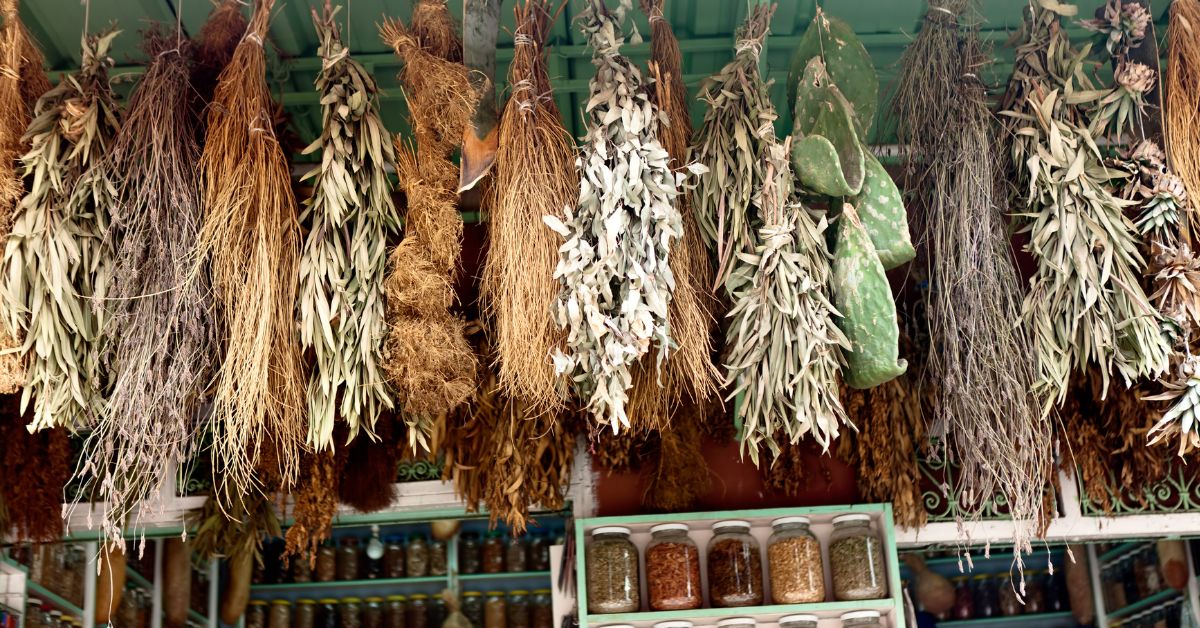
Drying is one of the oldest and most widely used methods of preserving medicinal herbs. The goal is to remove moisture from plant material, which prevents the growth of microorganisms and slows down enzymatic processes that would otherwise lead to decomposition.
Drying can be done naturally in a shaded, well-ventilated area, or artificially using a dehydrator. After drying, herbs should be stored in a dry, odor-free place with good airflow. Proper storage conditions are essential, as plant material must be completely dry before storage — otherwise it may deteriorate or develop mold.
Alcoholic extracts and tinctures
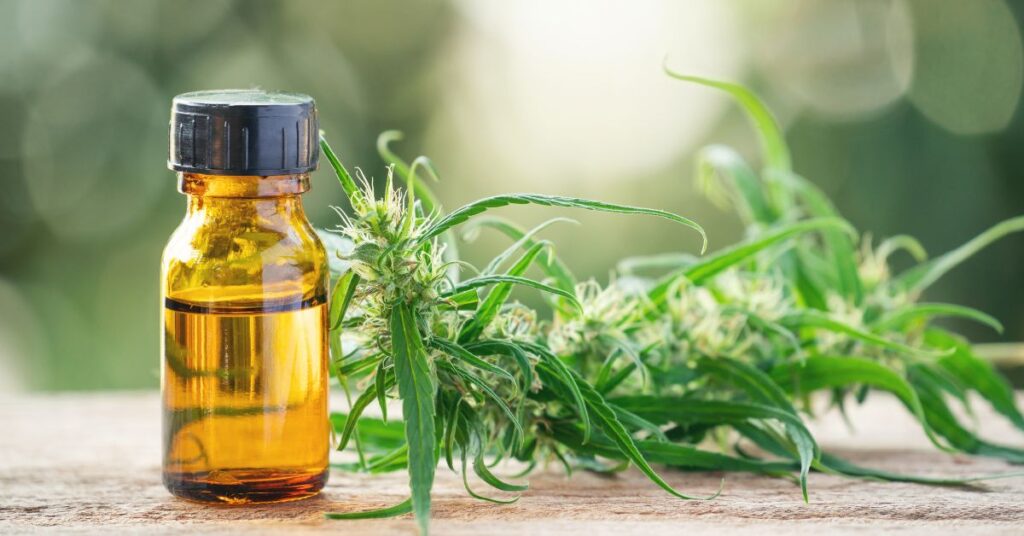
Alcoholic extracts, commonly known as tinctures, are made from either fresh or dried plant material. Typically, alcohol with a concentration of 35–70% is used. Plant parts are soaked in alcohol in a ratio of 1:10 for fresh plants or 1:5 for dried plants.
One of the main advantages of tinctures is their long shelf life. They are easy to dose accurately and convenient to use. However, their alcohol content requires caution, and they are not suitable in situations where alcohol use is contraindicated — for example in children or before driving.
Medicinal wines
Medicinal wines are prepared by macerating herbs in wine. Two main methods exist:
- adding plant material to the must before fermentation (as in traditional herbal wines such as wormwood wine), or
- soaking herbs in already finished wine.
Herbal wines have traditionally been used for their diuretic and bile-stimulating effects, and they may also be helpful during colds. Their main disadvantage is a significantly shorter shelf life compared to tinctures.
Oil infusions
Oil extracts are especially suitable for plants rich in essential oils or when oil-soluble compounds are the desired active ingredients — a well-known example being St. John’s wort oil.
To prepare an oil infusion, plant material is soaked in oil and later filtered. These extracts can be used in many ways: as salad oils, massage oils, or natural skin-care preparations.
Pressing (fresh plant juices)
Pressing is used to extract fresh plant juices. However, this form spoils quickly, so it usually needs to be consumed immediately — examples include wheatgrass or barley grass juice.
If preservation is needed, the juice can be stabilized by mixing it with alcohol, combining it with honey, or freezing it for later use.
Syrups and herbal honeys
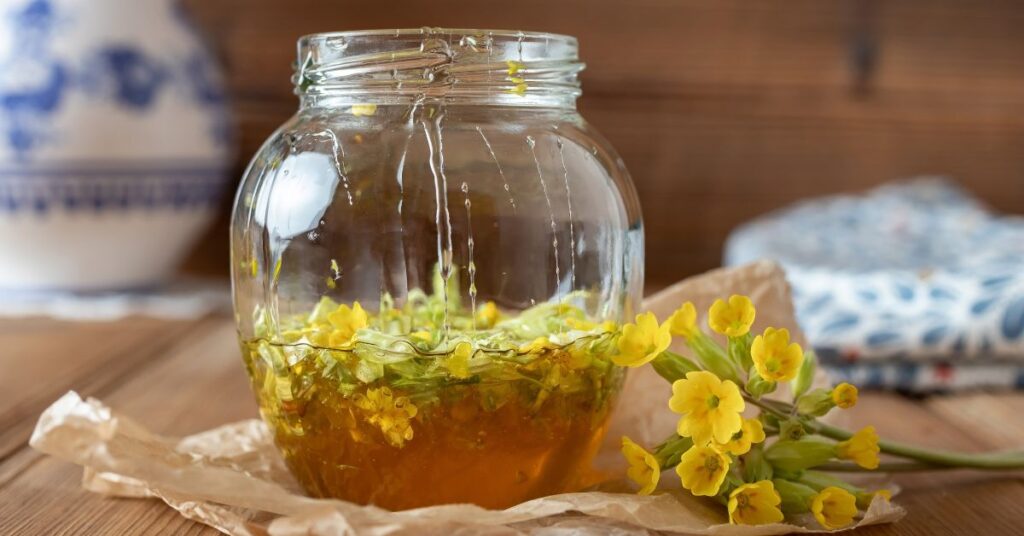
Syrups and herbal honeys are prepared by soaking selected plant parts in honey and allowing the mixture to mature over time. This method is somewhat similar to tincture preparation but without the limitations associated with alcohol, making it suitable for children as well.
These preparations are particularly popular for soothing coughs and relieving sore throat symptoms. Their main limitation is that they are generally not recommended for people with diabetes due to their sugar content.
There are many ways to preserve medicinal herbs, each with its own strengths and drawbacks. The best method depends on the plant part used, the intended application, and the sensitivity of the active compounds you want to preserve.
Whether through drying, tinctures, medicinal wines, oil infusions, pressed plant juices, or herbal syrups and honeys, each technique offers a practical way to extend the usability of medicinal plants while maintaining their valuable therapeutic properties.