Essential oils are increasingly used in everyday life for their healing, relaxing, and refreshing effects. But are we fully aware that these volatile compounds, while beneficial, can also be dangerous in certain situations? Some essential oils can be toxic even in small amounts, while others may trigger allergic reactions or more serious health problems if used improperly. In this article, we explore the toxic effects of essential oils, the risks associated with their use, and how to apply them safely. If your health and the well-being of your loved ones matter to you, read on to learn more about the hidden dangers.
Essential oils are natural, highly concentrated plant extracts widely used in aromatherapy, cosmetic products, and alternative medicine. Although many beneficial effects are well known, improper use can lead to toxic reactions. The extent and nature of these effects depend greatly on the method of application, the composition of the oil, and the user’s individual sensitivity.
How does the method of application influence toxicity?
The toxic potential of essential oils varies significantly depending on how they enter the body. Below are the methods of application listed in decreasing order of poisoning risk:
- Oral (ingestion):
This carries the highest risk, as essential oils enter the gastrointestinal tract directly and are rapidly absorbed. Ingesting certain oils may cause severe poisoning, particularly in children. - Rectal application:
Although less common, absorption through the rectal mucosa can be significant, and the risk of toxicity is higher than with skin application. - Vaginal application:
Absorption through the vaginal mucosa can also be rapid; therefore, caution is required. - Percutaneous (through the skin):
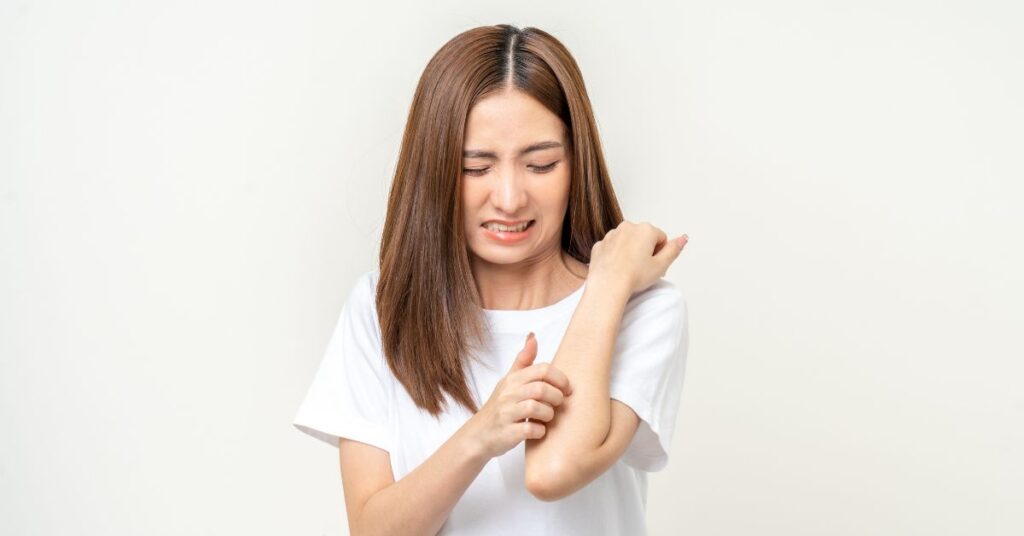
Absorption through the skin is generally lower, especially when oils are properly diluted. However, certain essential oils may cause irritation or allergic reactions, particularly in sensitive individuals. - Nasal (inhalation):
Inhalation is typically the lowest-risk method, as systemic absorption is more limited. However, inhaling certain oils—such as peppermint or eucalyptus—may cause respiratory paralysis in young children.
Special risks of peppermint oil in children
The use of peppermint essential oil requires particular caution in young children. Inhalation is not recommended under the age of 6–7 years, as it may cause respiratory paralysis. It is important to note that there are no documented cases of peppermint oil causing respiratory paralysis when applied to the skin or ingested. The risk is associated specifically with inhalation in small children.

The significance of LD50 in essential oil toxicity
LD50 (lethal dose 50%) refers to the amount of a substance that causes death in 50% of test animals (usually rats). It is commonly used to measure acute toxicity. The lower the LD50 value, the more toxic the substance.
For oral use, essential oils with an LD50 below 1 g/kg are considered toxic and are not recommended for internal application. Examples include:
- Sweet flag (Aetheroleum calami)
- Tansy (Aetheroleum tanaceti)
- Thuja (Aetheroleum thujae occidentalis)
- Wormwood (Aetheroleum absinthii)
Mildly toxic essential oils with LD50 values between 1–2 g/kg may be used safely when proper dosage guidelines are followed. Examples include:
- Basil (Aetheroleum basilici)
- Clove (Aetheroleum caryophylli)
- Tea tree (Aetheroleum melaleucae)
Adverse effects associated with essential oil use
When applied externally, essential oils may cause several undesirable effects:
Irritation:
This is the most common side effect, especially in individuals with sensitive skin. Irritating oils include:
- Fennel (Aetheroleum foeniculi)
- Thyme (Aetheroleum thymi)
- Clove (Aetheroleum caryophylli)
Sensitization:
Some oils may trigger allergic reactions, particularly with repeated use. Clove oil is one example.
Phototoxicity:
Certain essential oils increase sensitivity to sunlight or UV radiation, potentially causing skin irritation or burns. One of the best-known phototoxic oils is bergamot (Aetheroleum bergamottae), and sun exposure should be avoided after its use.
Essential oils from the following plants may also increase photosensitivity:
- Gas plant (Dictamnus albus)
- Parsnip (Pastinaca sativa)
- Poison ivy (Rhus toxicodendron, also known as Toxicodendron radicans)
Safe use of essential oils
To minimize risks, proper dilution and awareness of individual sensitivity are essential. The following precautions support safe use:
Perform a patch test:
Especially for individuals with allergies or skin conditions, test the oil on a small area of skin (such as the inner forearm). After applying the undiluted oil or a 50% dilution, observe the area for 15–20 minutes for signs of irritation, redness, or burning.
Avoid undiluted application:
Essential oils should rarely be used undiluted and only for specific, targeted purposes. Exceptions include relatively safer oils such as lavender and tea tree.
Use oils from reliable sources:
Pay attention to quality when purchasing. Pure, therapeutic-grade essential oils must be distinguished from fragrance oils, which often contain synthetic scent compounds and lack therapeutic properties.
Essential oils and children: special caution required
Certain essential oils—especially mint and eucalyptus varieties—can be dangerous for small children. In larger amounts and when inhaled directly into the lungs, they may cause respiratory paralysis by affecting the respiratory centers in the brainstem. Such cases are rare (approximately 0.1%), and they occur exclusively with nasal application.
Essential oils and pregnancy: what should be avoided?
During pregnancy, certain essential oils should be completely avoided, as their irritant properties may cause uterine contractions, increased blood flow, and even miscarriage.
The following essential oils are not recommended during pregnancy:
Anise, bay, basil, juniper, buchu leaf, star anise, savory, pennyroyal, fennel, hyssop, thyme, calamus, bitter almond, lavender, myrrh, mustard, birch, sage, parsley seed, rue, allspice, oregano, tarragon, horseradish, thuja, black and white wormwood, and tansy essential oils.
Even with external application (e.g., massage or rubbing), caution is required. Application to the pelvic area should be avoided, as it may increase blood flow and negatively affect pregnancy.
Despite their natural origin, essential oils are not risk-free and must be used with care. Appropriate methods of application, correct dilution, and consideration of individual sensitivity are essential for safe use. Special caution is necessary in children, pregnant women, and individuals with sensitive skin.