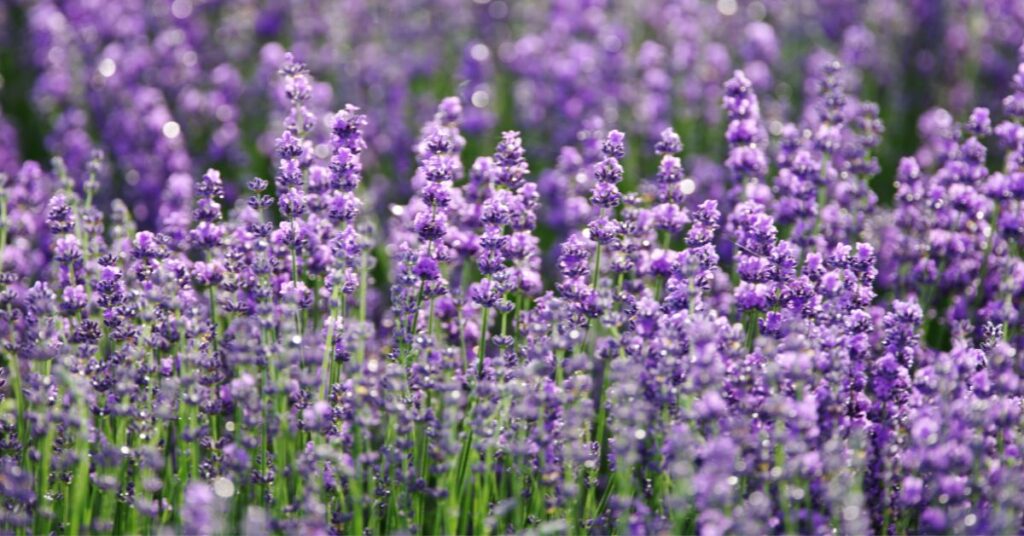
Lavender (Lavandula angustifolia) is one of the most popular and versatile plants in aromatherapy. It belongs to the Lamiaceae (mint) family and is native primarily to Central and Southern Europe. In Hungary, it rarely occurs in the wild, but cultivated and naturalized populations — such as those in Tihany — are common.
Production and properties of lavender essential oil
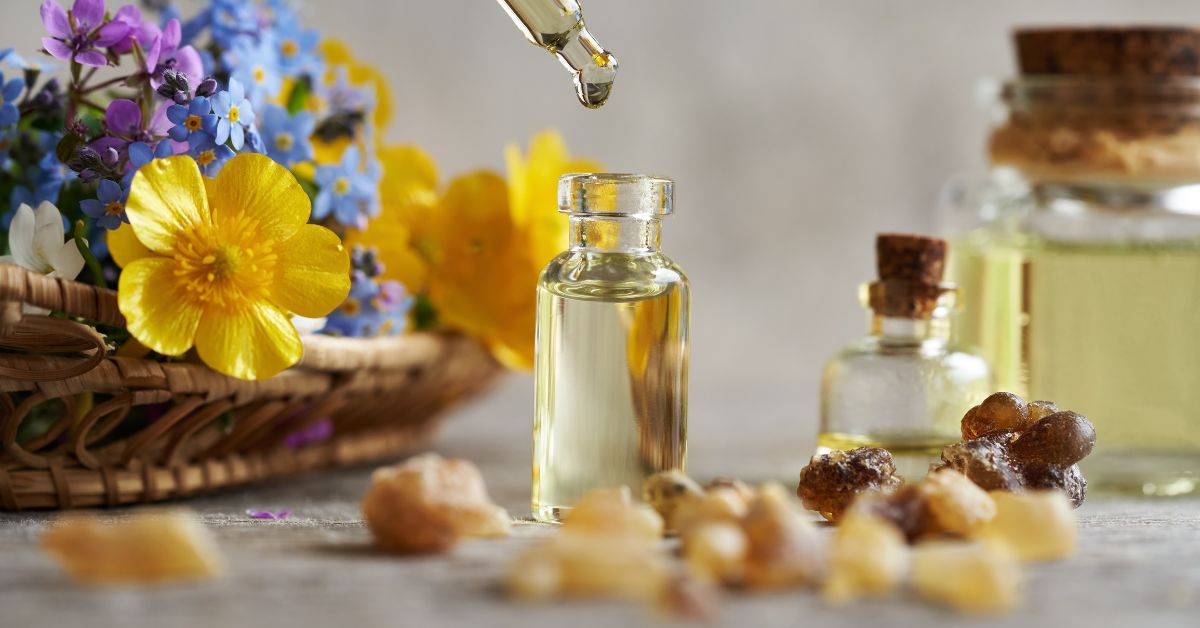
Lavender essential oil (Aetheroleum lavandulae) is extracted from the flowering tops of the plant. Interestingly, the harvest does not take place at full bloom. Instead, the slightly faded flowering tops — when the blossoms have begun to wilt — are collected, as this is when the essential oil content is at its highest.
The oil is obtained through steam distillation, producing a pale yellow or colorless oil with a sweet, floral aroma. Its main components include esters such as linalyl acetate and linalool, which are well known for their calming, sedative, and antispasmodic effects.
Aromatherapeutic effects of lavender essential oil
Lavender essential oil offers a wide range of beneficial effects, including the following:
Calming and stress-relieving effect
Inhaling lavender oil may help reduce stress and anxiety, promoting relaxation and mental well-being. Diffusing it or adding it to bathwater creates a peaceful atmosphere that supports rest and sleep.
Analgesic and anti-inflammatory properties
Lavender oil can be used to relieve various types of pain, including headaches, migraines, and muscle soreness. When applied as a massage oil, it may help reduce muscle tension and inflammation.
Antibacterial and disinfectant effects
Thanks to its antibacterial properties, lavender oil is suitable for treating minor wounds, burns, and insect bites. It may promote faster healing and help prevent infection.
Practical applications and tips
Improving sleep quality
To ease sleep disturbances, place a few drops of lavender essential oil on your pillow or use an aroma diffuser in the bedroom before bedtime. This can promote deeper and more restful sleep.
Reducing stress and anxiety
To manage daily stress, diffuse lavender oil at home or in your workplace. Alternatively, prepare a calming bath by adding 5–10 drops of lavender oil to warm water.
Relieving headaches
For headaches, mix a few drops of lavender oil with a carrier oil such as coconut or jojoba oil. Gently massage into the temples and forehead to help reduce pain and relax muscles.
Skincare
Lavender oil can be used to treat acne and support skin regeneration. Mix a few drops with a carrier oil and apply to the affected areas once daily. This may reduce inflammation and promote healing.
Safety precautions
Although lavender essential oil is generally considered safe, a few precautions should be kept in mind:
Dilution:
Essential oils are highly concentrated and should always be diluted with a carrier oil (such as almond, jojoba, or coconut oil) before applying to the skin.
Patch test:
Before use, perform a skin test. Apply one drop of diluted oil to the wrist or inside the elbow and wait 24 hours to ensure no allergic reaction occurs.
Pregnancy and breastfeeding:
Pregnant or breastfeeding women should consult a healthcare professional before using essential oils.
Children and pets:
Use lavender oil cautiously around children and pets, as they may be more sensitive to essential oils.
Lavender in everyday life: ideas and inspiration
Thanks to its versatility, lavender can easily become part of your daily routine. Here are some practical ideas:
1. Scenting your home
Add 5–10 drops of lavender oil to an aroma diffuser or oil burner to create a calm and pleasant atmosphere. This is especially helpful on stressful days or before bedtime.
2. Preparing a calming bath
Mix 10–15 drops of lavender oil with one tablespoon of milk or honey, then add to bathwater. This helps relax muscles, reduce stress, and soothe the skin.
3. Homemade room spray
Create your own lavender spray. In a spray bottle, combine:
- 200 ml distilled water
- 1 teaspoon alcohol-based solvent (e.g., vodka)
- 15–20 drops lavender essential oil
Use it to freshen the air, scent bedding, or refresh wardrobes.
4. Sleep pillow
Place 1–2 drops of lavender oil on a small cloth and tuck it under your pillow to promote deeper and more peaceful sleep.
5. Soothing skin balm
You can prepare a homemade soothing balm for minor skin irritations, bites, or sunburn. Mix:
- 50 ml carrier oil (such as olive or almond oil)
- 10 g beeswax
- 10–15 drops lavender essential oil
Gently heat over steam until melted, pour into a clean jar, and allow to cool.
6. Hair care
Add a few drops of lavender oil to your shampoo or conditioner to support scalp health and encourage hair growth.
Lavender essential oil is one of the most valued and widely used elements of aromatherapy. With its calming, anti-inflammatory, antibacterial, and pain-relieving properties, it offers a broad range of applications.
It not only helps relieve stress and anxiety but also supports skincare and improves sleep quality. When used correctly and with proper safety precautions, lavender essential oil can provide a natural and versatile solution to many everyday challenges.