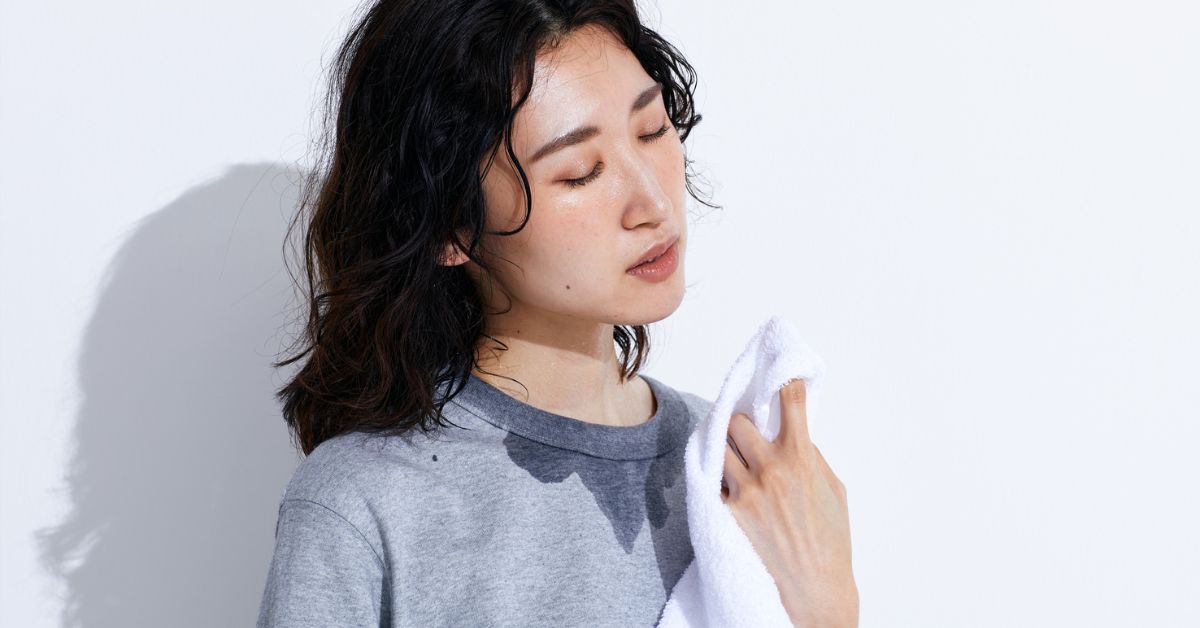
Sweating is one of the body’s most important physiological processes: it helps regulate body temperature, supports detoxification, and maintains the balance of the skin’s acid mantle. However, when perspiration becomes excessive, it can cause significant discomfort in daily life. Constantly damp palms, underarm stains, or foot sweating are not only physical inconveniences but can also place a psychological burden on the individual.
Many people turn to synthetic deodorants, antiperspirants, or medical treatments. Yet nature also offers effective and gentle solutions. One of the most well-known and reliable among them is walnut leaf (Juglans regia folium), whose sweat-reducing, antiseptic, and skin-soothing properties have been used in folk medicine for centuries.
The walnut tree – More than just a fruit Tree
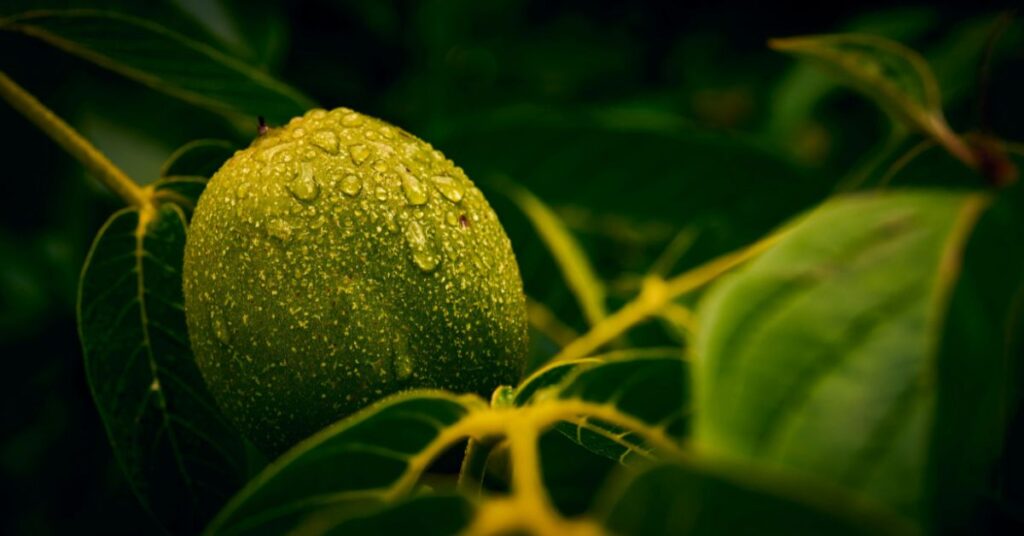
The common walnut (Juglans regia) is not only valued for its delicious nuts; its leaves are also an important medicinal herb. The walnut tree belongs to the Juglandaceae family and has been cultivated in Europe and Asia since ancient times. Its leaves have a fresh, slightly astringent aroma and contain numerous active compounds that are particularly suitable for regulating skin and glandular function.
For medicinal purposes, the leaves are harvested before the walnuts ripen, when their active compound content is at its highest. The dried leaves are used to prepare teas, decoctions, compresses, and baths.
Active compounds in walnut leaf
The most important active constituents of walnut leaf include:
- Juglone – a natural antiseptic and antifungal compound that helps regulate the skin’s microflora and prevent the development of unpleasant odors.
- Tannins – astringent compounds that reduce sweating, tighten pores, and promote skin regeneration.
- Flavonoid glycosides – antioxidant and anti-inflammatory compounds that support skin health and reduce irritation.
The synergy of these three main components gives walnut leaf its remarkable effectiveness in the natural treatment of excessive sweating.
How does walnut leaf help reduce sweating?
Walnut leaf reduces perspiration through several mechanisms:
Astringent (pore-tightening) effect
The tannins contract the upper layers of the skin, reducing the activity of sweat glands and helping the skin remain drier.
Antiseptic and antibacterial action
Juglone and flavonoids inhibit the growth of bacteria responsible for breaking down sweat and causing unpleasant odors.
Anti-inflammatory and skin-soothing properties
Excessive sweating often leads to irritation, especially in the underarm or foot area. Walnut leaf compounds help calm inflammation and support skin regeneration.
Together, these effects help the body regulate perspiration naturally—without artificially suppressing the sweating process.
Dual application: Internal and external use
One of the unique advantages of walnut leaf is that it can be used both internally and externally to reduce excessive sweating. The best results are achieved with regular, combined application.
Internal use – walnut leaf tea
Walnut leaf tea may help regulate glandular function, support detoxification, and provide general strengthening effects. However, it should only be consumed as a short-term course, since prolonged use may cause constipation due to its tannin content.
Preparation:
Pour 250 ml (1 cup) of hot water over 1 teaspoon of dried walnut leaves. Let steep for 10–15 minutes, then strain. Drink 1 cup daily for no longer than 2–3 weeks.
Before extended use, it is advisable to consult a phytotherapist or healthcare professional.
External use – Baths, compresses, and washes
External application is the most common and safest way to reduce sweating naturally.
1. Partial or full bath
An excellent solution for sweating of the feet, palms, or underarms.
Add 2 tablespoons of dried walnut leaves to 1 liter of water. Boil for 5–10 minutes, then let stand for another 15 minutes. Strain and add the decoction to bath water. Soak the affected area for 15–20 minutes.
With regular use, pores tighten, unpleasant odors diminish, and perspiration gradually normalizes.
2. Local wash or c
Particularly effective for the palms, soles, and underarms.
Apply the cooled walnut leaf decoction to the skin using cotton or a cloth once or twice daily. In addition to reducing sweating, it also provides antiseptic benefits.
3. Steam bath or sitz bath
The decoction may also be used as a sitz bath if sweating in the lower abdominal area is accompanied by irritation or gynecological inflammation.
It can also be beneficial in cases of excessive oiliness or perspiration.
Important considerations and precautions
Although walnut leaf is a natural remedy, internal use requires caution.
- Do not consume walnut leaf tea for longer than 2–3 weeks at a time.
- Avoid continuous use over several months.
- Excessive tannin intake may cause constipation.
- Internal use is not recommended during pregnancy, breastfeeding, or in young children.
External application, however, can be used safely over longer periods in the form of baths, compresses, or washes.
As with any medicinal herb, individuals with sensitive skin should perform a patch test before applying it to larger areas.
Natural management of excessive sweating does not necessarily require synthetic products or invasive interventions. Walnut leaf (Juglans regia) has proven for centuries that nature holds the key to restoring balance.
Through the combined action of juglone, tannins, and flavonoid glycosides, walnut leaf tightens pores, reduces perspiration, disinfects, and soothes the skin.
Regular external use—through baths, washes, or compresses—can produce visible results, while short-term tea consumption may help support internal balance.
Walnut leaf is therefore not only an ornamental presence in our gardens, but one of nature’s oldest and most reliable skin-friendly sweat-regulating remedies.
A simple, green solution that helps you feel fresher, more confident, and naturally comfortable in your daily life.