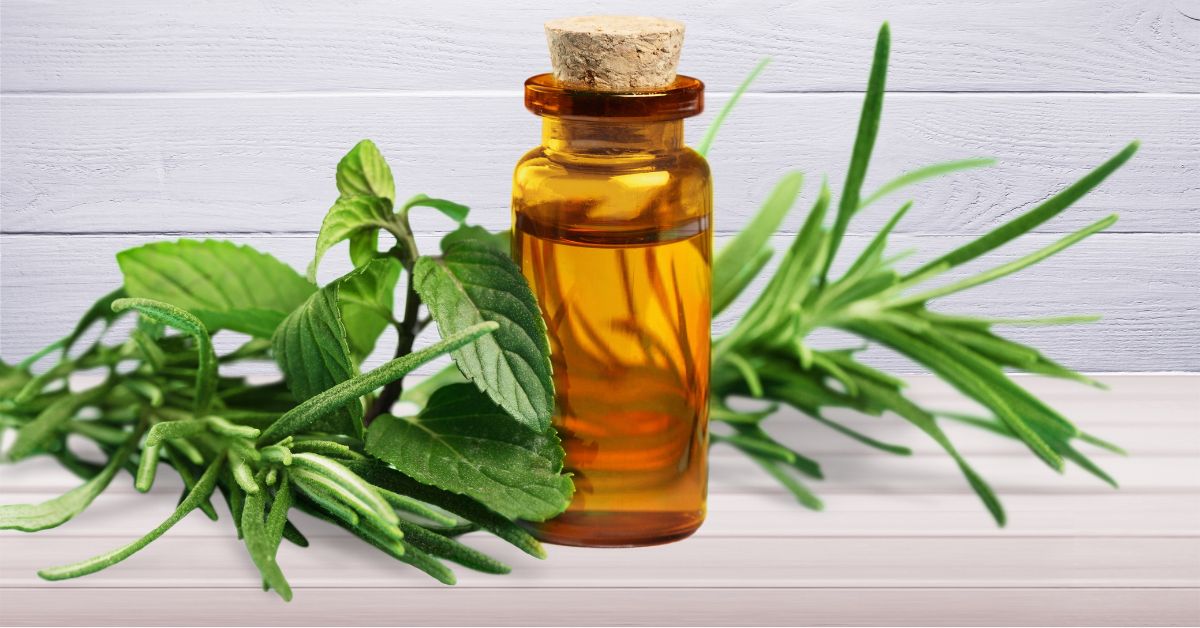
Tea tree essential oil (Aetheroleum melaleucae) is one of the most well-known and widely used essential oils — and one that truly deserves a place in every household. This pale yellow oil with its distinctive camphor-like scent is not only famous as a natural disinfectant, but it also offers a wide range of medicinal and cosmetic benefits. In this article, we’ll explore the origin, active compounds, and practical uses of tea tree essential oil, along with helpful tips for incorporating it safely into your daily routine.
Origin and active compounds
Tea tree (Melaleuca alternifolia) belongs to the Myrtaceae family and is native to Southeast Asia, Australia, and the Pacific islands. The essential oil is extracted from the leaves and branches of the plant through steam distillation, a process that helps preserve its active components.
The main constituents of tea tree oil include:
- Terpineol (minimum 30%)
- Eucalyptol (maximum 15%)
- Alpha-terpinene (10%)
- Gamma-terpinene (20%)
These compounds work synergistically to provide the oil’s strong antibacterial, antifungal, and anti-inflammatory properties.
Terpineol is particularly effective against bacteria and fungi. Eucalyptol is known for its refreshing and cleansing effects, and it also supports respiratory health. Alpha- and gamma-terpinene contribute to the oil’s disinfectant and antioxidant properties, supporting skin regeneration and reducing inflammation.
Together, these components form the foundation of tea tree oil’s versatility, making it suitable for addressing a wide range of health and cosmetic concerns.
Main areas of application
Natural disinfectant
Thanks to its strong antibacterial properties, tea tree oil can be effectively used to disinfect wounds, scratches, and minor skin injuries.
Practical tip:
Mix 5 drops of tea tree oil with 1 teaspoon of coconut oil and apply around the affected area. This helps prevent infection while supporting wound healing.
Respiratory support
Tea tree oil is an excellent choice for colds, coughs, and nasal congestion. When inhaled, it helps loosen mucus and reduce respiratory inflammation.
Practical tip:
Add 3–4 drops of tea tree oil to a bowl of hot water, cover your head with a towel, and inhale the steam for 5–10 minutes.
Fungal infections
Its antifungal properties make tea tree oil particularly effective against athlete’s foot and other fungal infections.
Practical tip:
Mix 10 drops of tea tree oil with 2 tablespoons of almond oil and apply to the affected area twice daily.
A teafa illóolaj gombaellenes tulajdonsága rendkívül hatékonnyá teszi lábgomba és egyéb gombás fertőzések ellen.
Gyakorlati tipp:
Keverjünk össze 10 csepp teafa illóolajat és 2 evőkanál mandulaolajat, majd kenjük be az érintett területet napi 2 alkalommal.
Skincare and cosmetic use
Tea tree oil is especially helpful for acne-prone skin and inflammatory skin conditions.
Practical tip:
For spot treatment, apply one drop of diluted tea tree oil (1:1 ratio with a carrier oil) directly to pimples using a cotton swab.
Insect bites and minor burns
Tea tree oil helps reduce itching and inflammation caused by insect bites and can also support healing in minor burns.
Practical tip:
Add 1–2 drops of tea tree oil to coconut oil and gently massage onto the affected area.
Oral care
Tea tree oil is effective against oral bacteria and may help prevent gum inflammation and tooth decay.
Practical tip:
Add 1–2 drops to a glass of warm water and use as a mouth rinse twice daily.

Side effects and contraindications
Although tea tree oil has many beneficial properties, certain precautions and contraindications must be considered.
Internal use
Tea tree oil is not recommended for internal use, as it may be mildly toxic if ingested. It should only be used externally, and contact with the eyes and mouth should be avoided.
Skin irritation and allergic reactions
In undiluted form, tea tree oil may cause skin irritation or allergic reactions, particularly in individuals with sensitive skin. Always dilute it with a carrier oil and perform a patch test before use.
For a patch test, apply either undiluted oil or a 50% dilution to a small area on the inner forearm. Wait 15–20 minutes and observe for any redness, itching, or irritation. If any symptoms occur, discontinue use.
Children and pregnancy
Due to their high concentration of active compounds, essential oils are generally not recommended during pregnancy. If used externally, avoid the pelvic area, and never use internally.
For children, tea tree oil is generally recommended only above the age of 6–8 years.
Previous allergic reactions
If you have experienced allergic reactions to other essential oils, exercise increased caution when using tea tree oil. Performing a patch test is always advisable, especially when trying an essential oil for the first time.
Tea tree essential oil is a versatile and effective natural remedy for everyday life. Whether you’re dealing with skin issues, respiratory discomfort, or home disinfection needs, it offers a natural and environmentally friendly solution.
However, safe use is essential. Always pay attention to proper dilution and application guidelines to fully benefit from this powerful gift of nature.