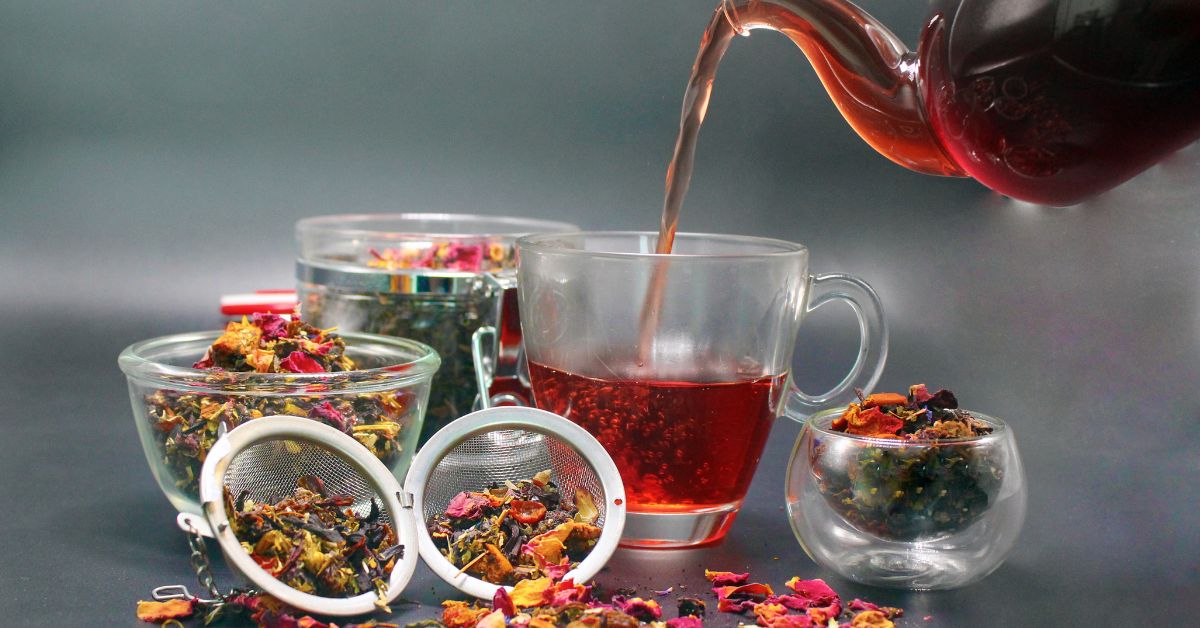
Herbal teas have supported human health for thousands of years and remain popular thanks to their preventive and therapeutic benefits. Yet when it comes to the daily tea ritual, a common question arises: should we choose tea bags or loose-leaf herbal tea? Both options have their own advantages and disadvantages, and understanding these differences can help you decide which one suits your lifestyle and health goals best.
Tea bag herbal teas
Advantages
1. Convenience and quick preparation
The biggest advantage of tea bags is practicality. Simply place a tea bag into a cup of hot water, and your tea is ready within minutes — no measuring tools or tea strainers required.
2. Easy dosing
Each tea bag contains a pre-measured amount, so there’s no need to worry about how much herb to use.
3. Portability
Tea bags take up very little space, making them ideal for travel or workplace use.
4. Wide availability
Tea bag herbal teas are available in almost every grocery store, making them easy and convenient to purchase.
Disadvantages
1. Quality concerns
Tea bags often contain smaller plant fragments such as crushed leaves, stems, or flowers. Some manufacturers may even use powdered or lower-quality plant material, which can contain fewer active compounds than loose-leaf herbs.
This is an especially important consideration if you are drinking herbal tea for medicinal purposes rather than simple enjoyment, since the effectiveness largely depends on how many active substances reach the body.
2. Environmental impact
Many tea bags are made from paper treated with plastics or chemicals, which makes decomposition more difficult and contributes to environmental waste.
3. Limited customization
With tea bags, flavor and composition cannot easily be adjusted, since the blends are pre-packaged.
Loose-leaf herbal tea
Advantages
1. Higher quality
Loose herbal teas typically contain whole leaves, flowers, or root parts, resulting in a higher concentration of active compounds and a richer flavor profile.
Whenever possible, it is worth choosing pharmaceutical-grade herbal tea. Fortunately, many products available in drugstores and organic shops already meet good quality standards.
2. Customization
Loose herbs allow you to create your own blends, making it possible to tailor both flavor and therapeutic effects to your personal needs.
3. Sustainability
Loose teas usually require less packaging, making them a more environmentally friendly option. The used herbs can also be composted.
4. A mindful ritual
Preparing loose-leaf tea takes slightly more time, but this process can become a calming ritual — an opportunity to slow down and enjoy the moment more consciously.
Disadvantages
More preparation time
Loose tea preparation may seem more complicated because it requires measuring and straining. However, dosing is usually simple — typically one tablespoon or one to two teaspoons — so there’s no need for precise laboratory measurements.
Many mugs today come with built-in tea strainers, making preparation easy. If you prefer a tea bag–like experience, refillable filters are also available. In practice, this adds only one extra step compared to using a standard tea bag.
Which one should you choose?
Personally, I recommend loose-leaf herbal teas in most cases.
They are easy to find in drugstores (such as Rossmann or DM) and organic shops, are generally of good quality, and contain an adequate amount of active ingredients. Pair them with a refillable tea filter or a mug with a built-in strainer, and the preparation becomes almost as convenient as using tea bags.
Most importantly, whenever you try a new herbal tea, always check the ingredient list. Choose products made from 100% plant material, free from additives or artificial ingredients.