
Would you like to avoid colds, flu, and seasonal infections? Supporting the immune system naturally has become increasingly important, especially during colder months. Among the many herbal solutions available, one of the most effective is purple coneflower (Echinacea purpurea). In this article, we take a closer look at this remarkable medicinal plant, its active compounds, health benefits, and practical ways you can use it at home.
What is coneflower?
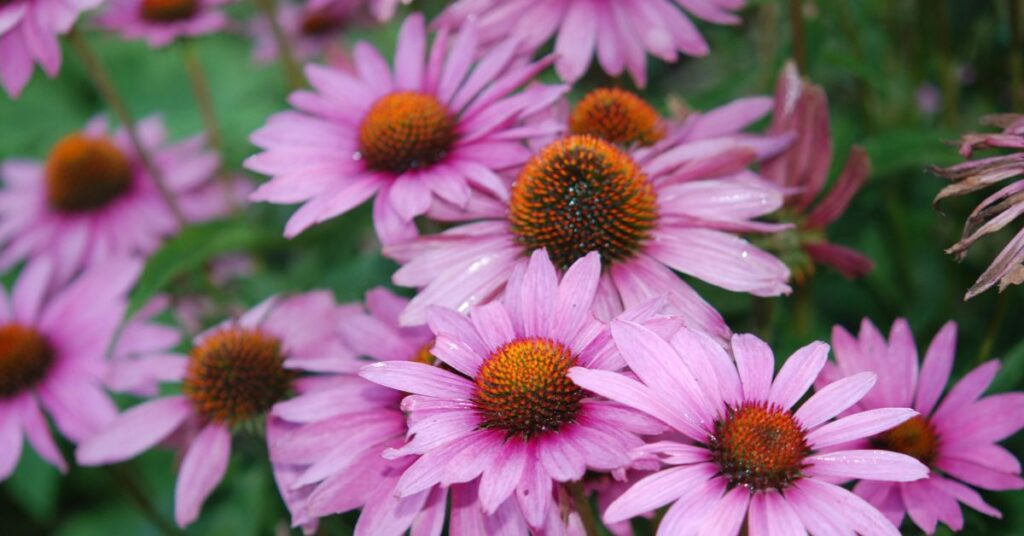
Purple coneflower is a plant native to North America, traditionally used by Indigenous peoples for medicinal purposes long before it became known in Europe. Over the past centuries, it has gained widespread popularity and today represents one of the most commonly used herbs in modern phytotherapy.
Both the root and the herb of the plant are used medicinally. The term herb refers to the aerial parts of the plant — including the stem, leaves, and flowers — which are typically processed in dried, powdered, or extract form.
Active compounds of purple coneflower
The therapeutic effects of coneflower are linked to its rich content of bioactive substances. Among the most important are:
- Glycoprotein polysaccharides, known for stimulating immune system activity
- Flavonoids, which provide antioxidant protection
- Alkylamides, supporting immune modulation
- Essential oils, contributing to anti-inflammatory effects
Together, these compounds help strengthen the body’s natural defense mechanisms.
Health benefits of purple coneflower
Coneflower is considered one of Europe’s best-known immune-supporting herbs. Its main effects include:
Antiviral activity
Coneflower may help inhibit viral replication, making it useful in reducing symptoms associated with colds and influenza.
Antibacterial properties
The plant can support the body in fighting certain bacterial infections and may contribute to faster recovery.
Immunomodulating effect
Rather than simply stimulating immunity, coneflower helps regulate immune responses. This balancing action may reduce excessive inflammatory reactions while supporting effective defense mechanisms.
Using coneflower at home
Purple coneflower is easy to incorporate into everyday wellness routines and can be used in several forms.
Herbal tea
Pour 2–3 dl of hot water over one teaspoon of dried coneflower herb.
Let it steep for 10–15 minutes, then strain before drinking. This tea may help relieve cold symptoms and support immune function.
Tincture
An alcohol extract can also be prepared at home by soaking dried coneflower parts in 40–50% alcohol for about two weeks, then filtering the liquid.
The usual intake is 10–20 drops daily, either directly or diluted in water.
An immune-supporting course typically lasts around one month, as the immunomodulating effect usually becomes noticeable after approximately three weeks. During long-term winter use, it is recommended to follow a 4-week cycle with a 1-week break, then repeat if necessary.
Advantages of prepared supplements
Although home preparations are practical, commercially available products — such as capsules, tablets, or standardized tinctures — often provide more consistent results.
These preparations offer:
- precise dosing,
- higher concentrations of active compounds,
- and laboratory-tested quality.
If choosing supplements, always follow the manufacturer’s recommended dosage instructions.
Important precautions
Purple coneflower is generally considered safe, but certain precautions should be kept in mind.
Some individuals may experience allergic reactions, particularly those sensitive to plants from the daisy family. People with autoimmune conditions should consult a healthcare professional before use, as coneflower stimulates immune activity.
A natural ally for immune support
Purple coneflower offers a natural and effective way to support immune health. Thanks to its antiviral, antibacterial, and immunomodulating properties, it can easily become part of both home herbal preparations and daily wellness routines.
If you want to prepare your body for the next cold season naturally, incorporating coneflower into your lifestyle may be a simple yet powerful step toward stronger immunity.