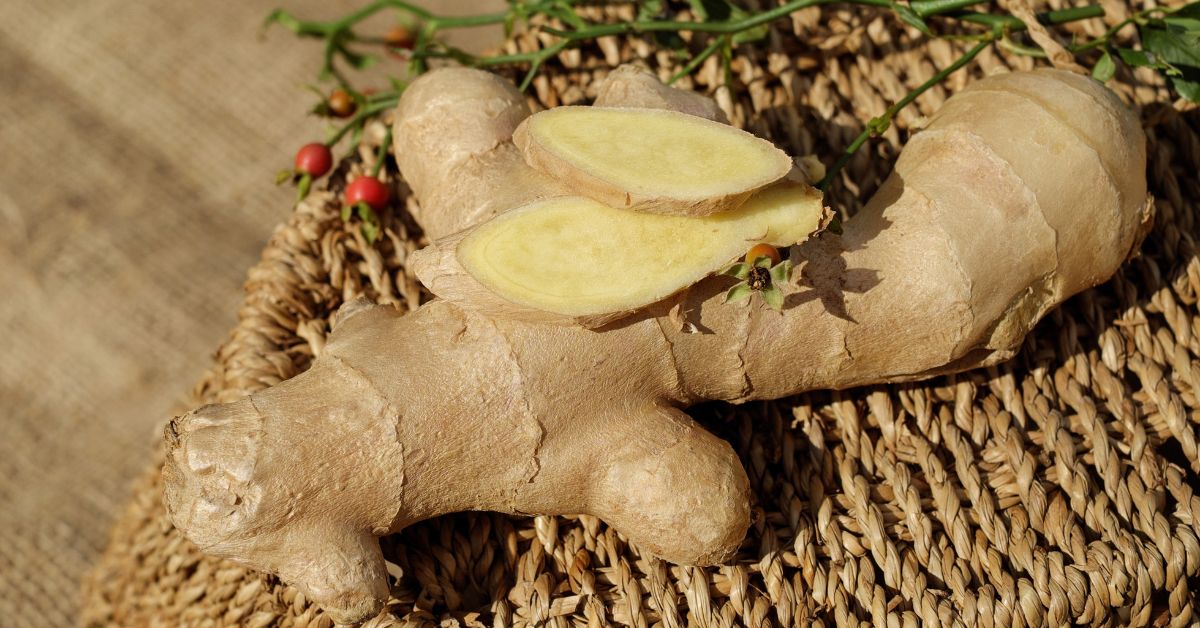
Ginger (Zingiber officinale) is a medicinal plant that has been used for thousands of years to support health and prevent disease. Strengthening the immune system is especially important during the colder months and throughout infection-prone seasons — and ginger can be the perfect ally in this process. In this article, you’ll discover how this versatile plant can help you protect and support your health naturally.
Ginger’s benefits for the immune system
Antioxidant protection
Ginger contains powerful antioxidant compounds such as gingerols, shogaols, and zingerone, which help protect cells from the damaging effects of free radicals.
Free radicals not only accelerate aging processes but can also weaken the immune system. Regular consumption of ginger may help keep the body stronger and more resilient.
Natural anti-inflammatory effects
Inflammation is at the root of many diseases, including those affecting immune function. Ginger’s anti-inflammatory properties may help reduce acute inflammation and also support the prevention of chronic inflammatory processes.
Antibacterial and antiviral properties
Ginger naturally helps combat various bacteria and viruses, making it an effective tool for preventing and managing infections.
Fresh ginger may inhibit the growth of certain pathogens, including viruses responsible for respiratory infections. Thanks to its antibacterial effects, it can also support oral health and help manage conditions such as gum inflammation.
Regular consumption — for example in the form of ginger tea or ginger-infused honey — provides natural protection against harmful microorganisms while strengthening the body’s defense system.
Supporting the fever process
Due to its warming properties, ginger may promote sweating, which can be beneficial during feverish conditions.
Sweating helps regulate body temperature and supports the elimination of toxins, thereby contributing to a more efficient immune response.
Ginger in your diet: how to use it
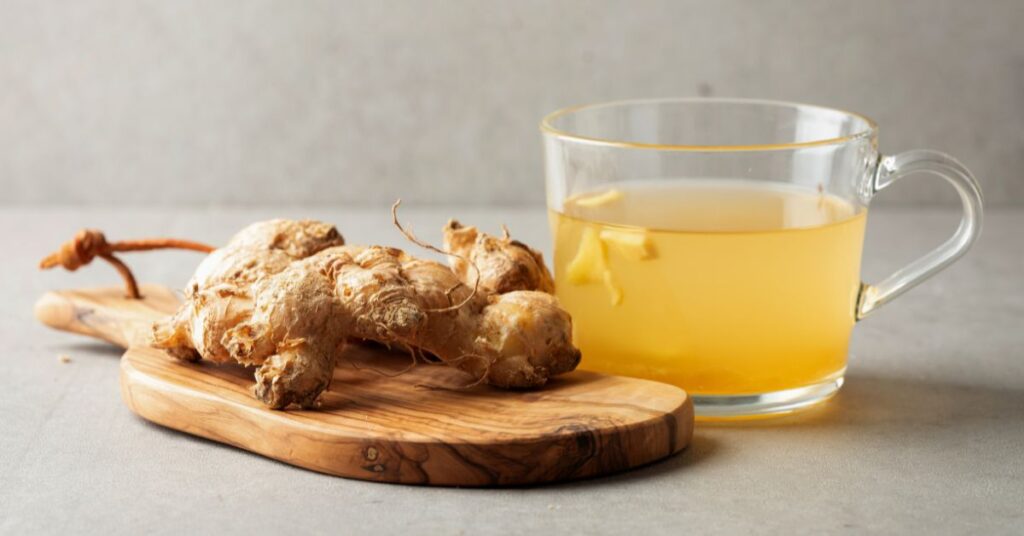
Fresh ginger tea
Ingredients (1 serving):
- A 2–3 cm piece of fresh ginger root
- A squeeze of lemon
- A small amount of honey (or another sweetener of choice)
- 1 cup of boiled water
Preparation:
- Grate or finely chop the fresh ginger (peeling is optional).
- Place the ginger, lemon, and honey in a mug.
- Pour hot water over the mixture, cover, and let steep for 15 minutes.
- Strain and enjoy warm.
Dried ginger tea
Ingredients (1 serving):
- 6 grams dried ginger (about 2 teaspoons of cut and sifted dried ginger)
- 3 grams cinnamon chips
- 10 ounces (approx. 300 ml) water
- Honey (or another sweetener of choice)
Preparation:
- Place the ginger, cinnamon, and water in a small saucepan.
- Bring to a boil, then reduce heat, cover, and simmer for 10 minutes.
- Remove from heat, strain, and sweeten to taste.
- Consume warm.
Ginger-infused honey
The combination of ginger and honey is excellent for soothing sore throat and cough.
Mix one tablespoon of grated ginger with two tablespoons of honey. Consume one to two teaspoons several times a day.
Ingredients:
- Fresh ginger
- Raw honey
Preparation:
- Finely chop or grate the ginger and place enough into a jar to fill it halfway.
- Pour honey over it until the jar is full, mix thoroughly, and add more honey if needed.
- Within 2–3 days, the honey will absorb the ginger’s flavor. You may strain out the ginger if desired, or leave it in and consume both together.
Fresh or dried ginger: which should you choose?
Dried ginger has a stronger warming effect than fresh ginger, as some of its pungent compounds are formed during the drying process.
Each form offers distinct benefits:
Dried ginger: Stronger warming effect, ideal for managing chills and cold sensitivity.
Fresh ginger: Excellent antiviral properties and particularly effective for relieving cold symptoms.
Warnings and precautions
Although ginger offers numerous health benefits, moderation is important.
Stomach sensitivity:
In large quantities, ginger may cause heartburn or gastric irritation.
Drug interactions:
Ginger may have mild blood-thinning effects. Individuals taking anticoagulant medications should consult a healthcare professional before regular use.
During pregnancy:
While ginger may help relieve morning sickness, medical advice is recommended before regular consumption.
Ginger supports health in many ways. With its antibacterial and antiviral properties, anti-inflammatory effects, and immune-strengthening potential, it is especially valuable during the colder months.
Whether enjoyed as fresh ginger tea, ginger-infused honey, or simply used as a culinary spice, ginger can easily become part of your daily routine. This simple plant offers natural support in maintaining health and strengthening the body’s defenses.
Discover the power of ginger — and make it an essential part of your wellness journey.