
Benign prostatic enlargement (also known as benign prostatic hyperplasia, or BPH) is one of the most common urological problems affecting men. Although mild prostate growth with age is natural, in many men it progresses to the point of causing urinary symptoms, discomfort, and a reduced quality of life. In addition to modern medical treatments, many men turn to phytotherapy because numerous medicinal herbs have been shown to ease symptoms, slow progression, and be used long-term without side effects.
What is the prostate and why is it important?
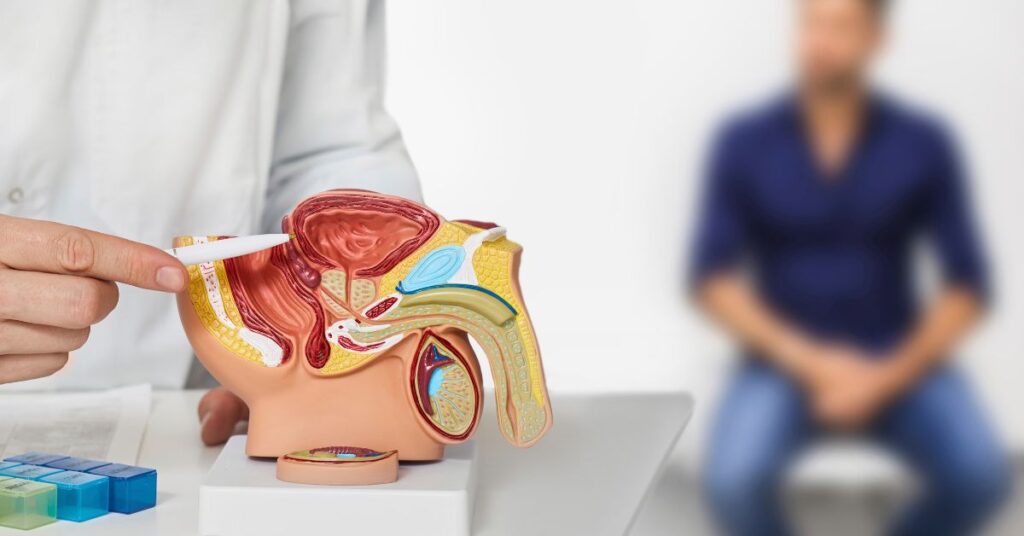
The prostate is a small gland that surrounds part of the urethra. As men grow older, hormonal changes and cellular growth cThe prostate, also called the glandular bladder neck, is located in the lower pelvis beneath the urinary bladder. It is made of smooth muscle and glandular tissue whose ducts open into the urethra.
The sticky, alkaline secretion produced by the prostate — prostate fluid — is an important component of semen: it promotes sperm motility and supports fertilization. The prostate is therefore crucial for male fertility. However, because of its position, enlargement directly affects the function of the bladder and urethra.
When the prostate tissue grows too large, it presses on the bladder and urethra, obstructing the flow of urine.
Characteristics and consequences of prostate enlargement
A Prostate enlargement may be benign (hyperplasia) or malignant (cancer). Phytotherapy is effective only in the benign form — but even this can significantly relieve symptoms.
According to statistics:
- 40% of men aged 40 are affected,
- 50% of men aged 50,
- and nearly 80% of men over 70 experience some degree of benign prostate enlargement.
The precise cause is not fully known, but hormonal factors — such as changes in the balance of testosterone and estrogen — play an important role.
Three stages of the condition
1. Early Stage:
Frequent urge to urinate, especially at night, difficulty initiating urination, and a weaker urine stream.
2. Középső szakasz:
A hólyagban maradék vizelet marad, a vizelés nem teljes, a panaszok fokozódnak.
2. Middle Stage:
Residual urine remains in the bladder after voiding, and symptoms worsen.
3. Advanced Stage:
Continuous dribbling of urine, and in severe cases an inability to urinate — which may require medical intervention.
Phytotherapy is most effective in the early and middle stages. Its goals are to slow deterioration, ease symptoms, and help avoid surgery.
Conventional medical approaches
In more severe cases, surgical intervention may be required. Through an endoscopic procedure, the enlarged prostate tissue is removed. The remaining connective tissue capsule then takes over the role surrounding the urethra, allowing urine flow to be restored. However, this procedure results in the loss of male fertility.
This is precisely why early detection and preventive phytotherapeutic treatment are especially important.
In previous decades, examination of the prostate was only possible through digital rectal palpation. Today, a simple blood test measuring PSA (prostate-specific antigen) levels can already indicate whether further diagnostic evaluation is necessary.
Herbs for prostate support and symptom relief
The goal of herbal treatment is to:
- reduce inflammation,
- support hormonal balance,
- and lessen prostate swelling.
Herbal remedies can be used safely long-term, and many studies show that their effectiveness rivals that of synthetic medications.
Common pumpkin (Cucurbita pepo)
Pumpkin seeds and pumpkin seed oil are the best-known and most widely used natural remedies for supporting prostate health. They are rich in linoleic acid, vitamin E, and plant sterols (such as beta-sitosterol), which have anti-inflammatory and hormone-balancing effects.
Pumpkin seed oil may help reduce urinary symptoms, strengthen bladder muscles, and protect prostate cells from further enlargement.
Pumpkin seed oil can be consumed on its own, added to salads, or taken by the tablespoon daily — a simple, natural, and inexpensive solution.

Small-flowered willowherb (Epilobium parviflorum)
Small-flowered willowherb is one of the oldest traditional herbs used for prostate issues. Its main active compound is beta-sitosterol, which may help inhibit inflammation, support cellular regeneration in the prostate, and ease urinary difficulties.
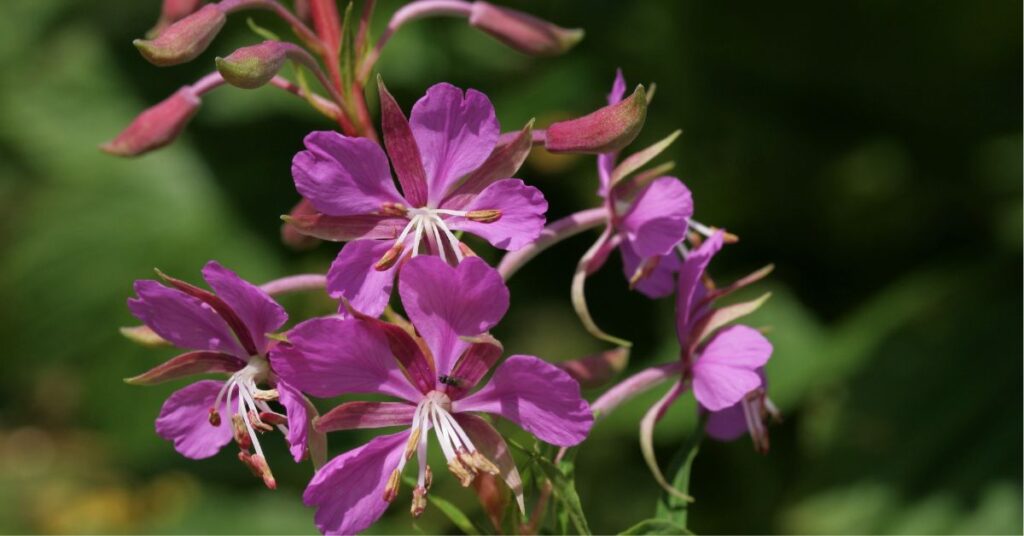
It is most commonly used as tea:
1 teaspoon of dried willowherb steeped in 250 ml of boiling water for 10 minutes, then strained. Long-term daily consumption of 2–3 cups may help relieve symptoms.
Although scientific evidence is limited, many men report subjective improvement with its use.
Saw palmetto (Serenoa repens, Sabal serrulata)
Saw palmetto fruit is one of the most studied herbs for prostate hyperplasia. It contains fatty oils and beta-sitosterol, which can inhibit prostaglandin synthesis — reducing inflammation and glandular swelling.
Clinical trials have shown that saw palmetto extract can improve urine flow, reduce nighttime urination urgency, and do so without side effects.
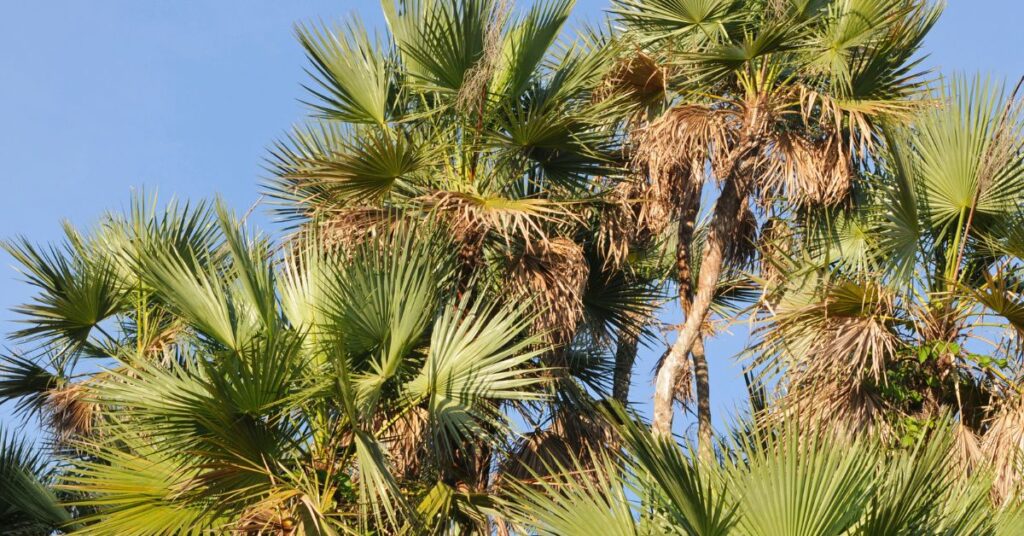
It is available in capsule, tablet, or medicinal extract form and is typically taken for three to six months.
Today, most prostate support formulas include saw palmetto extract — and for good reason
How these herbs work
Plant-based active compounds exert their effects through several complementary mechanisms:
- Anti-inflammatory action (by inhibiting prostaglandin synthesis)
- Support of hormonal balance (anti-androgenic effects)
- Strengthening of blood vessels and glandular tissue
- Neutralization of free radicals (antioxidant activity)
As a result, swelling may decrease, urinary function can improve, discomfort may be relieved, and the tissues of the prostate are better able to regenerate.
Herbal therapy is a long-term approach that requires patience, but it is safe and generally free of side effects. While plant extracts do not replace medical examinations, they provide excellent complementary support alongside conventional care.
The goals of phytotherapy are:
- to prevent further deterioration,
- to relieve symptoms,
- and to help avoid surgical intervention.
Regular medical check-ups remain essential, as worsening symptoms may also indicate malignant changes.
Prostate enlargement is not merely an inevitable consequence of aging — it is a manageable condition that can be kept under control. Phytotherapy offers the opportunity to improve prostate function and quality of life through natural means.
The combination of pumpkin seed, small-flowered willowherb, and saw palmetto has been shown to help reduce symptoms, improve urinary comfort, and ease inflammation.
In this way, nature provides a gentle yet effective solution to a condition that specifically affects men and can significantly influence daily life — without the burden of side effects.
Protecting the prostate is not a luxury; it is an investment in long-term men’s health.