Scratchy throat, unusual temperature changes, or that feeling that “something is coming on”? In these moments, many people start looking for ways to support their body early on. Black elder is one of the most well-known herbs for such situations — and it’s no coincidence that it has been used for generations to support the body during colds and flu-like conditions.
What is black elder?
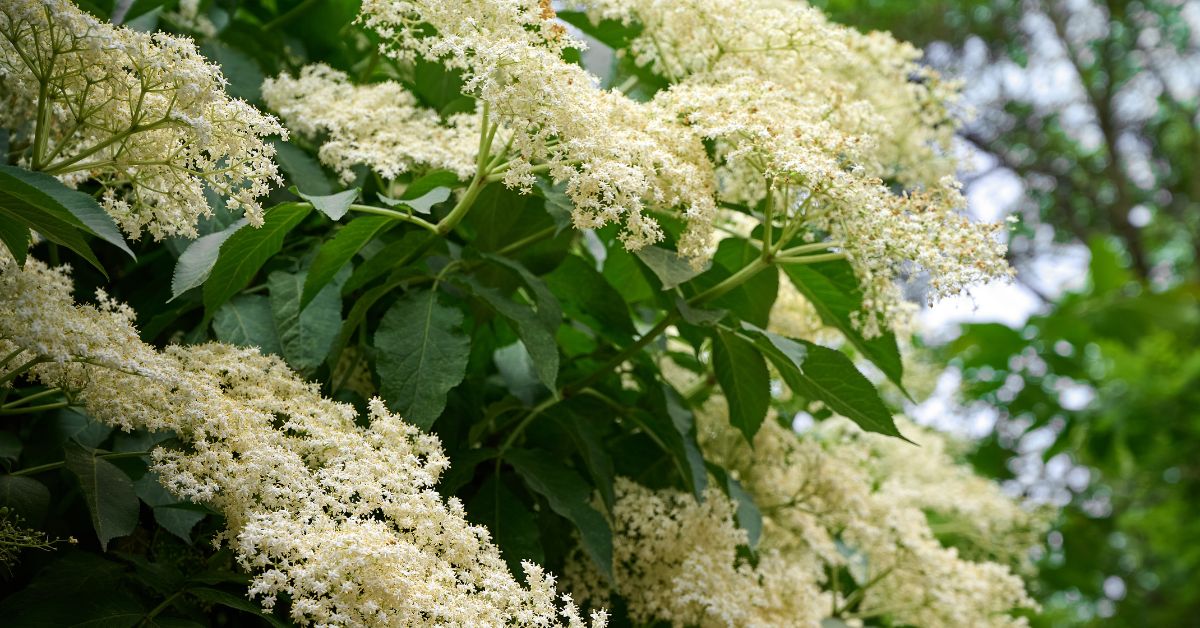
Black elder (Sambucus nigra) is a well-known plant widely found across Europe. In phytotherapy, its flowers are most commonly used, typically prepared as a tea.
Main active compounds:
- flavonoids (rutin, isoquercetin, hyperoside)
- small amounts of essential oils
- caffeic acid and ferulic acid glycosides
- plant sterols (beta-sitosterol, cholesterol)
Together, these compounds are responsible for elderflower’s characteristic effects, especially in respiratory conditions.
What is it most commonly used for?
Black elder is traditionally used as a supportive remedy in colds and flu-like illnesses.
It may be particularly helpful for:
- scratchy throat
- cough
- early-stage colds
- flu-like symptoms
Many people start using it at the very first signs, as this is when it can best support the body.
How does it work?
Black elder works through multiple mechanisms at once.
Diaphoretic effect:
It gently promotes sweating, which is one of the body’s natural defense mechanisms. This can help the body move through the early stages of illness.
Expectorant effect:
It helps loosen and clear mucus, making breathing easier.
Anti-inflammatory effect:
Thanks to its flavonoids, it may reduce inflammation, which is especially important in cases of throat and airway irritation.
Simply put: it doesn’t act in just one way, but supports the body at multiple levels.
When should you start using it?
Black elder is most useful in the early stages — when the illness is just beginning.
For example:
- when your temperature sensation changes
- when your throat starts to feel scratchy
- when a cough is developing
The earlier you start, the better it can support your body’s natural defenses.
How to use it
Black elder is most commonly consumed as a tea.
Preparation:
- pour about 250 ml of hot water over 1 tablespoon of dried elderflowers
- let it steep for 10–15 minutes
It is recommended to drink 2–3 cups per day, preferably warm.
When consumed warm, its sweating effect is more pronounced, which can be especially beneficial during a cold.
Safety considerations
Elderflower is generally well tolerated, but it is important to:
- use properly dried flowers
- avoid confusing it with other elder species
- not consume excessive amounts
Some raw parts of the plant are not recommended, so always use properly processed forms.
Why is it so popular?
Black elder has remained popular because it is simple to use and fits easily into everyday routines. It is not a complicated remedy, but a plant that can be easily incorporated into daily life.
It is often chosen not for a single strong effect, but because it supports the body at multiple levels.
Black elder is a classic, well-established herb during cold seasons. With its mild diaphoretic, expectorant, and anti-inflammatory effects, it supports the body’s natural defense mechanisms.
If you start using it early, it can be a simple yet effective way to support your body at the first signs of a cold.