
Urinary tract infections are a common problem for many people: frequent urge to urinate, burning sensations, and lower abdominal pain. In such situations we often look for a quick solution, although certain medicinal herbs may also help support the urinary system. Phytotherapy can act at several points: it may inhibit bacterial adhesion, help eliminate pathogens from the body, and ease unpleasant symptoms. But which herbs may be useful in the case of a urinary tract infection, and how should they be used?
What happens in the urinary tract during an infection?
The most common cause of urinary tract infections is a bacterial infection, in which pathogens – most often Escherichia coli – settle on the walls of the urinary tract and multiply there. This leads to inflammation, which results in painful or burning urination, pressure in the lower abdomen, and frequent urination.
One important function of herbs with urinary antiseptic effects is to inhibit the growth of bacteria or prevent them from adhering to the walls of the urinary tract. However, treating the urinary system has a specific challenge: many active compounds are broken down or transformed in the body before they reach the urinary tract, where their effect would be needed.
For this reason, in phytotherapy it is usually not enough to rely solely on plants with antibacterial properties. Diuretic effects also play an important role in treatment, as they increase urine production. A higher urine volume helps flush the urinary tract, which may assist in removing pathogens and clearing the infection. Depending on the symptoms, herbs with antispasmodic and mild analgesic properties may also be useful.
Bearberry – one of the strongest urinary antiseptics
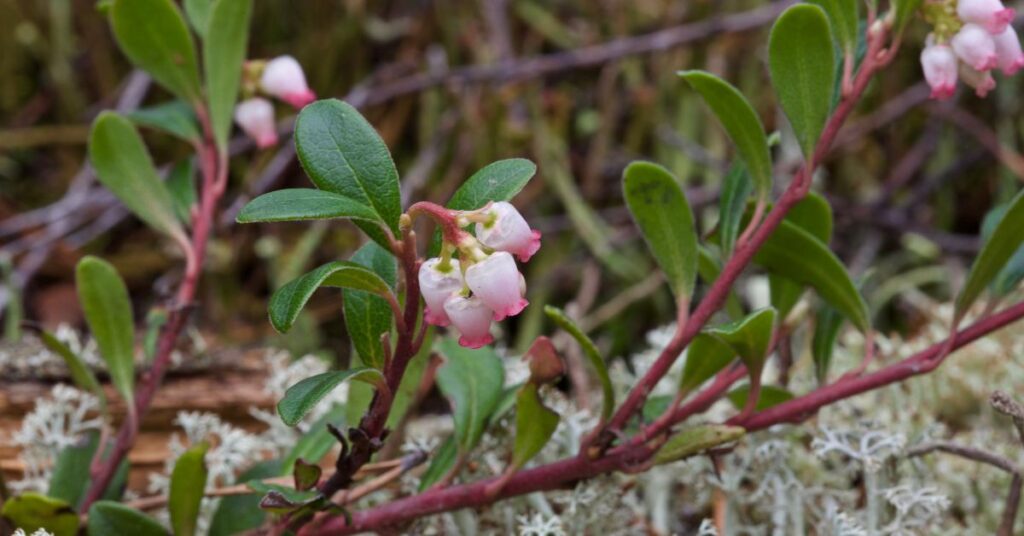
Bearberry (Arctostaphylos uva-ursi) is a classic medicinal herb used for urinary tract infections. In phytotherapy, the leaves of the plant are used.
Its most important active compounds are hydroquinone derivatives, primarily arbutin. In the body, these compounds are converted into substances that exert antibacterial effects in the urinary tract. The plant also contains tannins and flavonoids.
Bearberry has a mild diuretic effect, but it is often combined with other diuretic herbs to strengthen its action. However, bearberry should only be used as a short-term treatment: it is generally recommended for no longer than one to two weeks.
Due to its high tannin content, excessive consumption may cause stomach irritation or constipation. Tannins may also interfere with the absorption of certain active substances, so it is advisable to take bearberry separately in time from other medications or dietary supplements.
Cranberry – one of the best-known herbs for prevention
The American cranberry (Vaccinium macrocarpon), also known as large-fruited cranberry, is also frequently mentioned in connection with urinary tract infections.
The fruit contains fructose and special compounds called proanthocyanidins. These substances can inhibit the adhesion of bacteria to the walls of the urinary tract, thereby reducing the likelihood that pathogens will settle and multiply.
Cranberry is primarily recommended for prevention. In an already established infection, bearberry may be more effective, but regular cranberry consumption can significantly reduce the risk of recurrent urinary tract infections. According to some studies, it may reduce the risk of recurrence by up to 50%.
Another advantage is that cranberry can be consumed safely over longer periods, for example as tea, juice, or in dietary supplement form.

The role of diuretic herbs
Diuretic herbs play an important role in the treatment of urinary tract infections. Increased urine production helps flush the urinary tract, which may reduce the number of pathogens and support recovery.
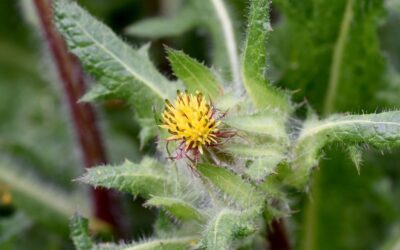
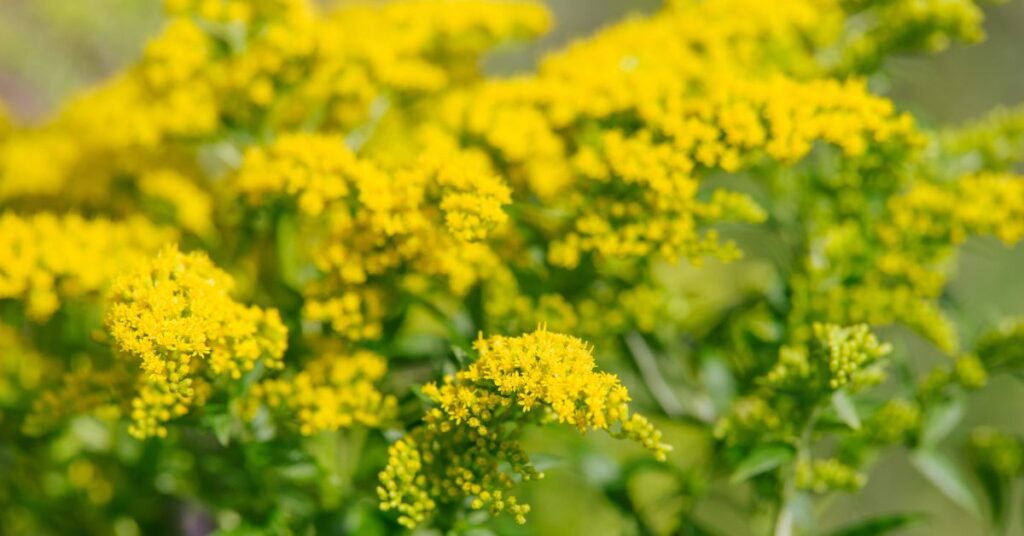
One well-known example is European goldenrod (Solidago virgaurea). In phytotherapy, the aerial parts of the plant are used.
Its active compounds include flavonoids, triterpene saponins, and phenolic glycosides. Goldenrod has a strong yet balanced diuretic effect. It is also attributed with mild pain-relieving and fever-reducing properties.
However, its use is not recommended during pregnancy or in people taking certain heart medications.
The importance of proper fluid intake
In the case of a urinary tract infection, one of the simplest yet most important steps is to drink plenty of fluids. Adequate fluid intake promotes urine production, which helps cleanse the urinary tract.
Herbal teas can be particularly useful in this regard, as they provide both fluid intake and beneficial active compounds.
When should you see a doctor?
Although medicinal herbs can often help relieve urinary tract symptoms, it is important to remember that more severe infections may require medical treatment.
If symptoms do not improve within a few days, if fever occurs, or if infections recur frequently, it is advisable to consult a doctor.
In the treatment of urinary tract infections, medicinal herbs can support the body in several ways. Bearberry is known as a strong urinary antiseptic, cranberry plays an important role mainly in prevention, and diuretic herbs such as goldenrod help flush the urinary tract.
When used consciously, these herbs may contribute to maintaining urinary tract health and alleviating unpleasant symptoms. However, in the case of more severe symptoms, medical examination remains essential.