Nature’s pharmacy has supported human health for centuries, helping preserve well-being and treat various ailments. Medicinal herbs can be used in many different ways—but did you know that beyond teas, you can also benefit from them in the form of tinctures, oil extracts, ointments, or even honey-based elixirs? If you would like to learn how to prepare effective herbal remedies at home and understand the advantages of each method, join us in this comprehensive guide.
The use of medicinal plants dates back thousands of years, and today they continue to play an important role in maintaining health and treating various conditions. Dried plant parts are rarely used directly, except in gastronomy where they serve as spices. In some cases, however, dried and powdered plant material can be filled into capsules and taken internally—something that can even be done at home.
Herbal teas
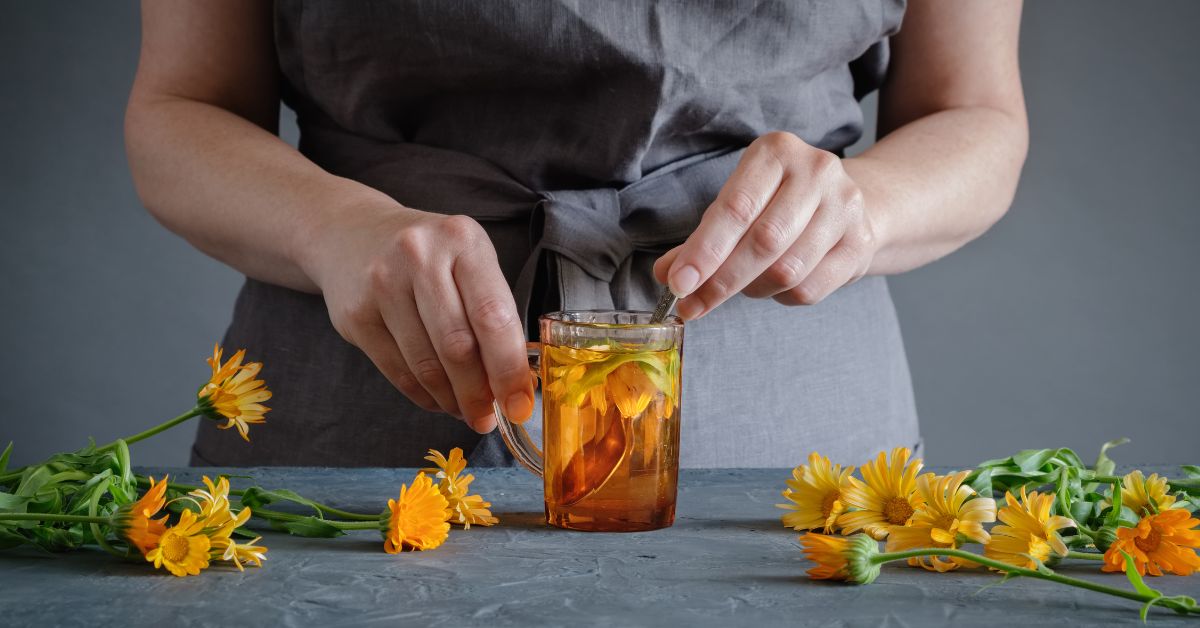
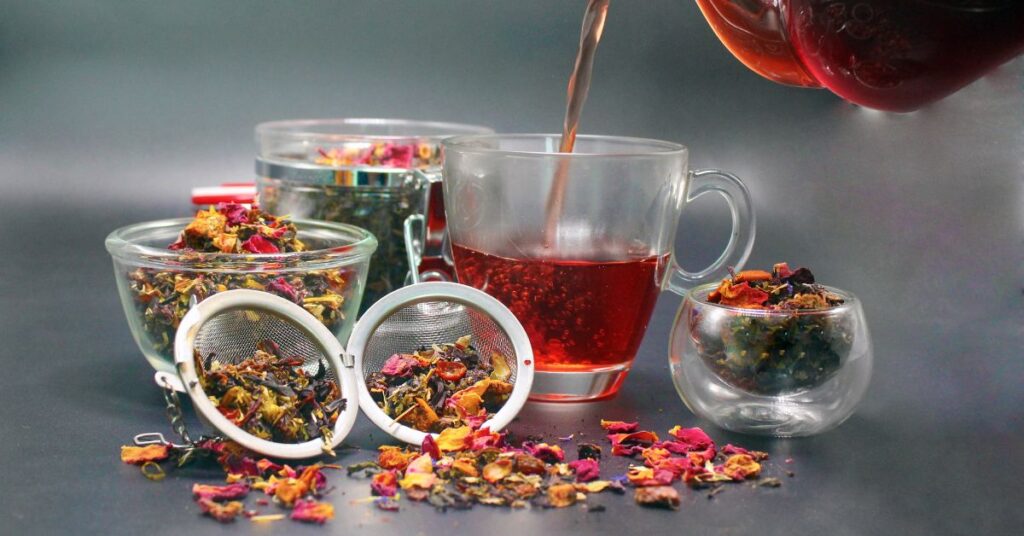
Herbal teas are among the most common methods of application. Several preparation techniques exist, depending on which plant part is used and which active compounds we wish to extract.
Infusion (infusum)
This method is used for plant materials with a loose structure, such as leaves, flowers, or flowering tops.
Bring water to a boil, remove it from the heat, and pour it over the prepared plant material. Cover and let steep for 5–10 minutes, stirring occasionally. Strain before consumption and sweeten if desired.
If using honey, wait until the tea cools to a drinkable temperature (around 42°C / 108°F), as honey is heat-sensitive and may lose its beneficial properties at higher temperatures.
Decoction (decoctum)
This method is used for harder plant materials such as bark, seeds, or roots.
Bring water to a boil, add the plant material, and simmer together for 5–10 minutes. Strain and allow to cool. Sweetening is possible, although not all herbal teas should be flavored—so it is advisable to check beforehand.
Cold maceration (maceratum)
This method is suitable for plant parts containing heat-sensitive compounds. For example, the vitamin C content of rosehip easily degrades when exposed to heat.
To prepare, soak the plant material in lukewarm water 6–8 hours before use and let it stand covered. After straining, it may be gently warmed before consumption for comfort and to reduce the risk of bacterial contamination.
Examples include mistletoe and valerian root.
Plant juices
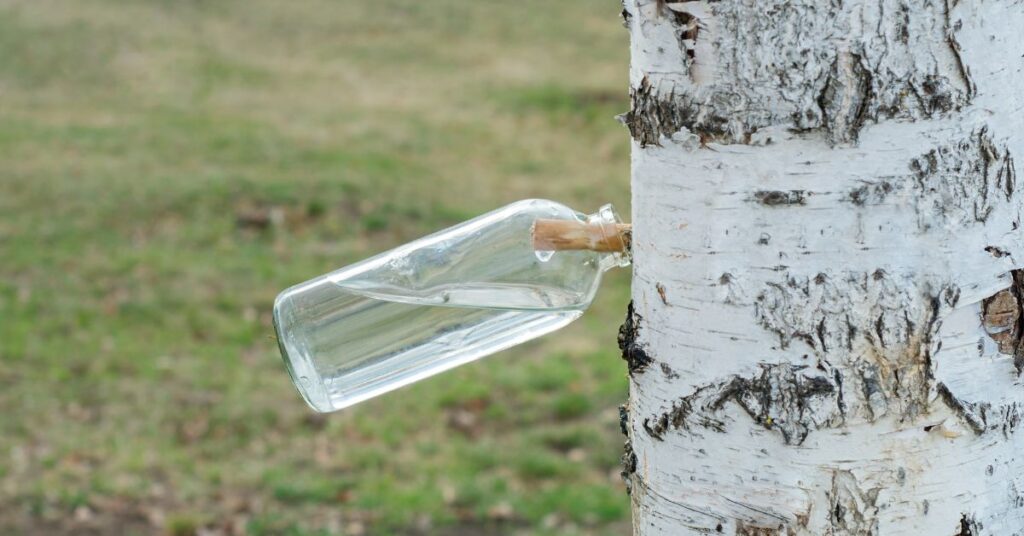
Plant juices are obtained by pressing fresh plant material. Freshly pressed juices can be consumed immediately or preserved with alcohol, honey, or freezing.
For example, birch sap can be collected in early spring by tapping the tree. It may be consumed fresh or preserved.
Syrups and herbal honeys
To prepare herbal syrups or honey extracts, selected fresh plant parts are placed into honey and left to macerate.
This method is advantageous because it does not contain alcohol, making it suitable for children (honey-based preparations above 1 year of age; syrup forms may be used even under 1 year). However, it is not recommended for individuals with diabetes.
Examples include thyme honey and elderflower syrup.
Alcoholic extracts and tinctures
Tinctures can be made from both dried and fresh plant material.
For fresh plants, a typical ratio is 1:10 (plant to alcohol).
For dried plants, the ratio is usually 1:5.
Tinctures have the advantage of long shelf life and precise dosing. However, due to their alcohol content, they are not suitable for everyone—particularly children or individuals sensitive to alcohol.
Ointments
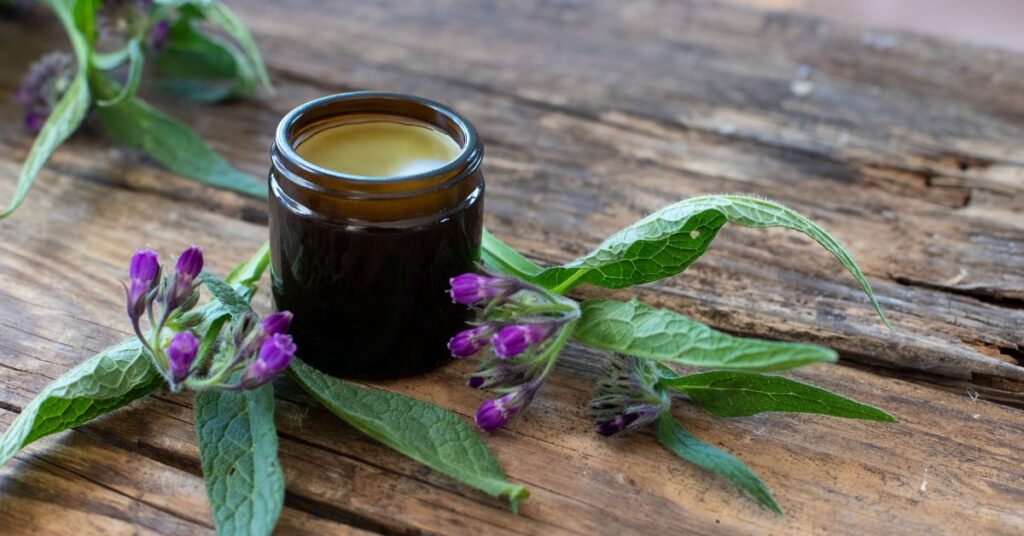
When preparing ointments, it is essential to determine whether the plant’s active compounds are water-soluble or fat-soluble.
- Use a water-based cream base for water-soluble compounds.
- Use a fat-based base for fat-soluble compounds.
- If the plant contains both types, a combination may be appropriate.
Homemade ointments are often more affordable and allow full control over the ingredients.
Other methods of use
Oil extracts
Plant material is soaked in oil to extract fat-soluble compounds. Calendula oil and St. John’s wort oil are typical examples. These preparations are used externally for skincare, wound healing, or reducing inflammation.
Essential oils
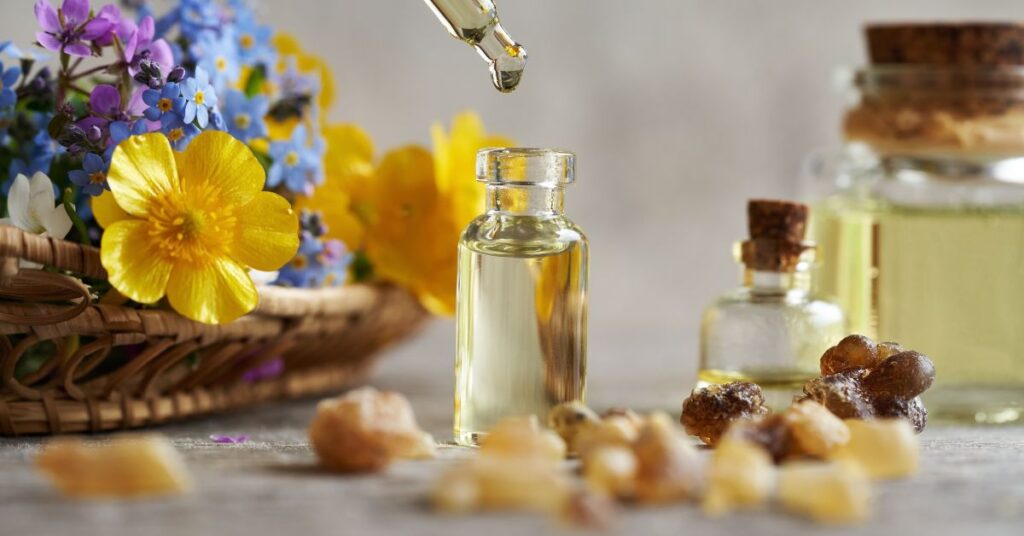
Essential oils are obtained through steam distillation. Steam passes through plant material, and the condensed vapor separates into essential oil.
Essential oils are mainly used externally—for inhalation, massage blends, or diffusion. Internal use should only occur under professional supervision, as concentrated oils may irritate mucous membranes.
Herbal beverages and soups
Certain medicinal plants may also be consumed as decoctions or soups. Similar to mulled wine, herbal wines can be prepared to help relieve cold symptoms.
Herbs may also be combined with milk—for example, turmeric milk (“golden milk”), a popular immune-supporting drink.
Baking in bread and pastries
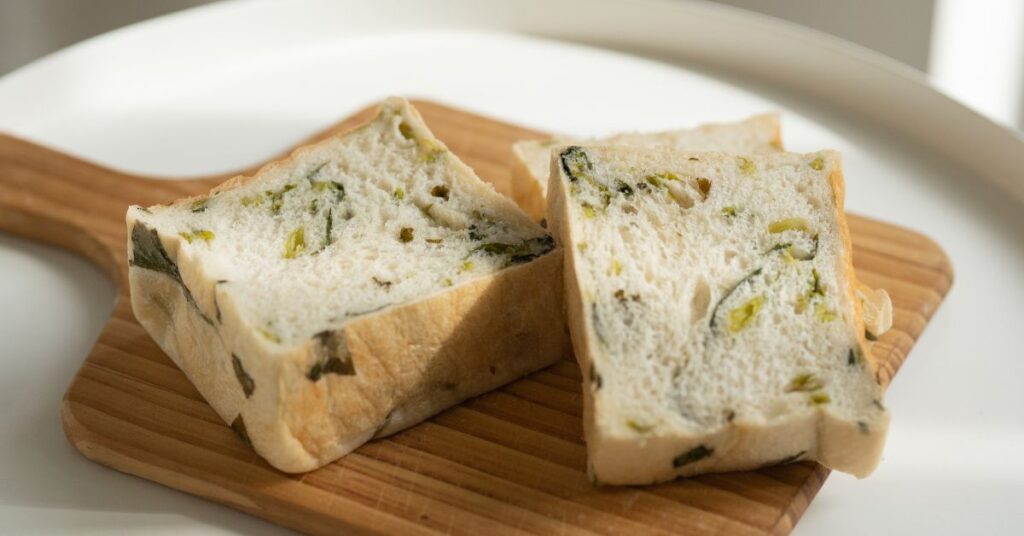
Although previously more common, herbs are now primarily used for flavoring in baked goods. This method is less suitable for therapeutic purposes, as many active compounds are lost during baking.
Herbal enemas
Decoctions of certain herbs may be used as enemas for colon complaints or hemorrhoids. However, this requires great caution and professional guidance.
Suppositories
Suppositories can be prepared at home using a fat-based base and powdered medicinal herbs—for example, for hemorrhoids or gynecological conditions.
Herbal tampons
While theoretically possible, the use of tampons soaked in herbal decoctions is not recommended due to the risk of infection. Essential oils should never be used for this purpose, as they may irritate mucous membranes.
Medicinal herbs can be used in many different ways, depending on which active compounds we wish to extract. The most common forms include teas, tinctures, ointments, and oil extracts.
However, preparation methods and proper dosage must always be considered, and certain forms (such as alcoholic extracts) are not suitable for everyone. When used correctly, medicinal herbs can meaningfully support health maintenance—but it is always advisable to consult a qualified professional or phytotherapist.