
The unpleasant symptoms of urinary tract infections—frequent urge to urinate, burning sensation, and lower abdominal pain—can make everyday life difficult for many people. These infections are particularly common among women. Fortunately, nature offers a variety of medicinal herbs that may help combat and prevent infections. Read on to discover natural solutions that can support faster recovery.
Urinary tract infections (UTIs) are extremely common, especially in women. One of the main reasons lies in female anatomy: the female urethra is shorter (approximately 4 cm) than the male urethra (around 20 cm), meaning pathogens have a shorter distance to travel to reach the bladder. In addition, the female urethra is slightly wider and structurally different, which can further facilitate infection. In older age, the gender difference becomes less pronounced, as bacterial colonization in the male urethra also becomes more common.
The most frequent causative agent of UTIs is Escherichia coli (E. coli), responsible for 50–60% of cases. Less common pathogens include Enterococcus species (20–30%), as well as Klebsiella, Proteus, and Pseudomonas species (5–15%). Typical symptoms include frequent urination, painful and burning urination, and passing small amounts of urine.
Phytotherapy—treatment with medicinal plants—is primarily effective in cases of lower urinary tract infections. When the infection affects the kidneys, herbal remedies may be insufficiently specific, may not reach the affected area in adequate concentrations, or may even be contraindicated, as stimulating an inflamed kidney can worsen the condition.
It is important to note that if no significant improvement is observed within 2–4 days of starting herbal treatment—or if symptoms worsen (such as fever, nausea, or severe pain during urination)—medical attention is essential. In such cases, antibiotic therapy is often required to eliminate the infection.
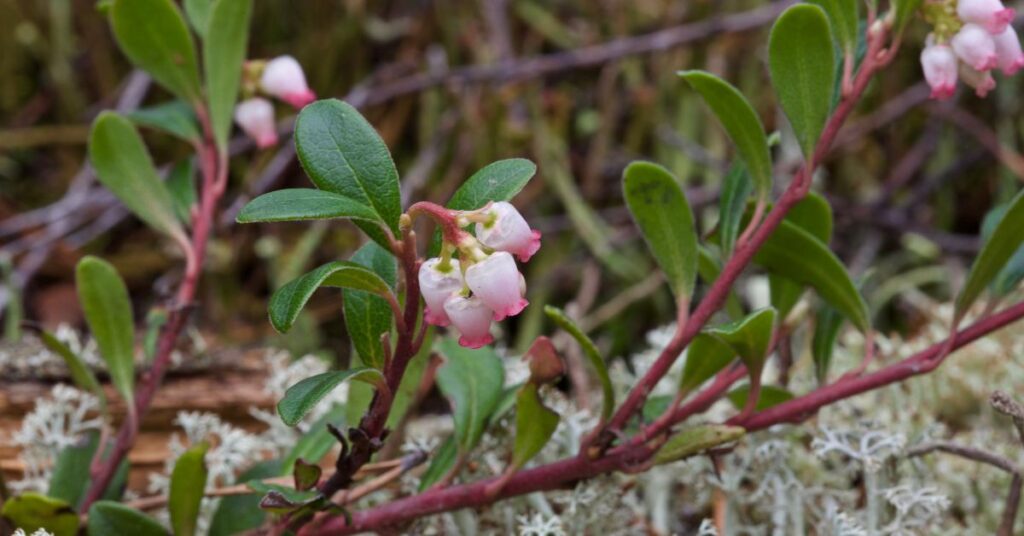
Bearberry (Arctostaphylos uva-ursi)
One of the most effective herbal urinary antiseptics is bearberry. Its active constituents include hydroquinone derivatives (arbutin), tannins, and flavonoids.
For bearberry tea to be effective, the urine must be alkaline, as arbutin only breaks down into its antibacterial form in an alkaline environment. To achieve this, a level teaspoon of baking soda or another alkalizing agent may be added to the tea.
Bearberry tea should be consumed for no longer than 1–2 weeks due to its relatively high tannin content, as prolonged use may cause stomach irritation and constipation. Since bearberry has mild diuretic properties, it is advisable to combine it with other diuretic herbs.
Phytotherapeutic treatment guidelines for urinary tract infections
When treating UTIs, it is essential to use appropriate herbs in the correct way. For best results, urinary antiseptic and diuretic herbs should be combined, while increased fluid intake helps flush out pathogens.
1. Use of antibacterial herbs
Plants such as bearberry, cranberry, and goldenrod may help prevent bacterial adhesion and proliferation. These can be consumed as teas or extracts, but recommended dosages and duration of use should always be observed.
2. Increased fluid intake and diuresis
Diuretic herbs promote urine production and help flush the urinary tract. The principle of “flushing therapy” involves consuming at least 2–3 liters of fluid daily, much of which may be herbal tea.
We have discussed diuretic herbs in more detail in a previous article covering three effective options: goldenrod, nettle, and juniper.
3. Complementary treatment and prevention
Maintaining proper hygiene, supporting gut flora health (for example, with probiotics), and strengthening the immune system (with vitamin C, vitamin D, or echinacea) also play an important role in the prevention and management of UTIs.
When should you see a doctor?
Herbal treatment is primarily effective for lower urinary tract infections. If the infection has reached the kidneys, phytotherapy alone is often insufficient. Many plant-based compounds do not reach the kidneys in adequate concentrations, or conversely, may stimulate kidney activity and worsen inflammation.
The only exception is Indian kidney leaf tea, which should be used exclusively under medical supervision and only if recommended by a physician.
It is important to remember that urinary tract infections can easily spread. If no improvement occurs within 2–4 days of herbal treatment, or if symptoms such as fever, nausea, or severe painful urination worsen, medical intervention and antibiotic therapy are essential.
Medicinal herbs can play an important role in the treatment of urinary tract infections, particularly in relieving inflammation of the lower urinary tract. Plants such as bearberry, cranberry, goldenrod, and nettle may help combat bacteria and cleanse the urinary system. However, if symptoms become severe, persistent, or recurrent, medical consultation is essential to ensure appropriate treatment.