
Sleep disorders make everyday life difficult for many people, and due to modern lifestyles, they are becoming increasingly common. As a result, more and more individuals are searching for natural ways to achieve restful sleep. One such natural remedy is lemon balm (Melissa officinalis), a medicinal herb known for its calming effects for centuries. In this article, we explore how lemon balm may help manage sleep disturbances and the different ways it can be used.
Active compounds and mechanism of action
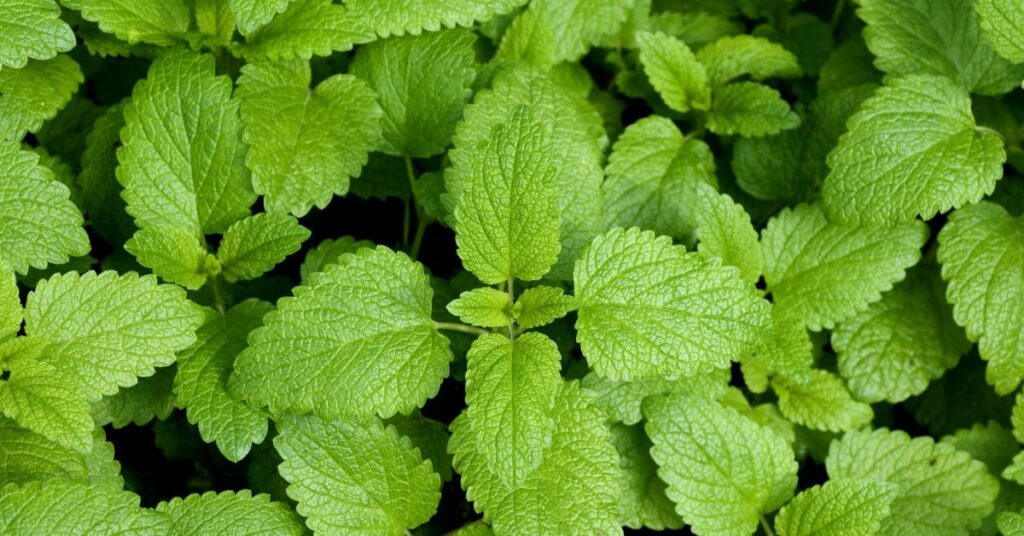
The main active constituents of lemon balm leaves (Melissa folium) include essential oils such as geranial, citronellal, and neral, as well as various flavonoids. These components contribute to the herb’s calming effects in several ways:
Essential oils: Lemon balm essential oils act directly on the nervous system, promoting relaxation and reducing anxiety.
Flavonoids: These antioxidant compounds support the calming effect of lemon balm by helping regulate stress hormone production and promoting overall well-being.
How lemon balm helps with insomnia
Sleep disorders can appear in different forms, including difficulty falling asleep, nighttime awakenings, or waking too early. Lemon balm may help address each of these problems.
Difficulty falling asleep
Stress and anxiety before bedtime often prevent proper relaxation. Even when we try to sleep, the mind remains active. Lemon balm’s calming properties help relax both body and mind, making it easier to fall asleep.
Nighttime awakenings
Some people fall asleep easily but wake up during the night and struggle to return to sleep. These interruptions are often linked to stress or excessive worrying. Regular consumption of lemon balm may promote deeper, more continuous sleep.
Early waking
Many individuals wake up too early and cannot fall back asleep. Lemon balm’s soothing effects may help extend sleep cycles and support adequate nighttime rest.
Forms of application
Lemon balm can be used in several forms depending on the type of sleep disturbance being addressed.
Lemon balm tea
One of the simplest and most popular methods for managing insomnia is lemon balm tea.
Ingredients
- 1 tablespoon dried lemon balm leaves
- 250 ml hot water
Preparation
- Place the dried lemon balm leaves in a cup.
- Pour hot water over them.
- Let steep for about 10 minutes, then strain.
Drinking a cup of lemon balm tea in the evening before bedtime may help promote relaxation and prepare the body for restful sleep.

Capsules and tablets
Capsules and tablets containing lemon balm extract are also widely used. They offer a convenient alternative for those who do not prefer herbal tea or are looking for a quicker solution—although lemon balm tea itself has a particularly pleasant taste. Always follow the recommended dosage instructions.
Essential oil and aromatherapy
Lemon balm essential oil can also be used in aromatherapy. Adding a few drops to a diffuser, or lightly spraying it onto pillows or bedding, may help create a calming sleep environment. Alternatively, a few drops diluted in a carrier oil can be applied to the skin, such as the temples or wrists.
Lemon balm tincture
Lemon balm tincture is another effective form that is quickly absorbed by the body. Typically, a few drops are added to a glass of water or tea before consumption. Tinctures can be especially useful for those seeking faster effects.
Lemon balm combines well with other herbs
The calming effects of lemon balm can be enhanced when combined with other soothing medicinal plants.
Valerian (Valeriana officinalis)
Valerian root is well known for its strong sedative properties and is frequently used for sleep disorders. When combined with lemon balm, a synergistic effect may improve both falling asleep and maintaining restful sleep.
Chamomile
Chamomile is another calming herb that helps reduce anxiety and supports sleep. A lemon balm–chamomile tea blend can be particularly effective for evening relaxation.
Lavender
Lavender essential oil is commonly used in aromatherapy to promote sleep. Combined with lemon balm, it helps create a peaceful and restorative environment.
Lemon balm (Melissa officinalis) offers a versatile and natural approach to managing sleep disorders. Thanks to its essential oils, flavonoids, and other active compounds, this remarkable herb may help relaxation, reduce anxiety, and promote restful sleep.
Whether consumed as tea, taken as capsules, used as an essential oil, or applied as a tincture, lemon balm can be adapted to individual needs. When combined with other calming herbs, its effectiveness may be further enhanced, supporting deeper and more restorative sleep.
If you struggle with insomnia, lemon balm may be worth trying as a gentle and natural solution.