
Type 2 diabetes is no longer a condition that primarily affects older people. It is increasingly appearing in younger adults and even in children. Modern dietary habits, excessive sugar consumption, and a sedentary lifestyle all contribute to its development. But what can we do to help maintain balanced blood sugar levels?
It is important to emphasize that diabetes is not considered a curable condition. However, depending on the severity of the disease, it is often possible to keep the condition under control and reduce symptoms. Alongside medical treatment, phytotherapy may also play a role in this process, particularly in the early stages of type 2 diabetes or in milder cases.
How does blood sugar imbalance develop?
Carbohydrates are one of the most important sources of energy for the human body. When we consume carbohydrate-rich foods, digestion breaks them down into sugar (glucose), which enters the bloodstream. The body responds by producing insulin, a hormone that helps glucose enter the cells.
However, when excessive amounts of carbohydrates enter the body, this balance can easily be disrupted. Two types of problems may occur.
In the first case, the amount of insulin available is insufficient to process the sugar circulating in the blood. As a result, blood sugar levels remain elevated, leading to a hyperglycemic state.
In the second case, insulin production overshoots the balance point, causing blood sugar levels to drop too low. This leads to hypoglycemia. Both conditions can pose serious health risks, which is why the primary goal is to maintain a stable balance between blood sugar and insulin levels.
The role of phytotherapy in regulating blood sugar
Medicinal plants do not replace medical treatment, but together with an appropriate lifestyle and diet, they may help stabilize blood sugar levels. In phytotherapy, particular attention is given to plants that contain significant amounts of inulin.
What is inulin and why is it important?
Inulin is a polysaccharide composed mainly of fructose units. It is practically not utilized by the body, meaning it does not provide energy and does not raise blood sugar levels. Since it is not absorbed in the small intestine, it plays a special role in metabolism.
Inulin can slow the absorption of other carbohydrates, which may help create a balancing effect on blood sugar levels. In addition, as a prebiotic fiber, it supports the health of the gut microbiota, which is also an important factor in metabolic processes.
Medicinal plants containing inulin
Several medicinal plants contain significant amounts of inulin, and some of them are well known in phytotherapy.
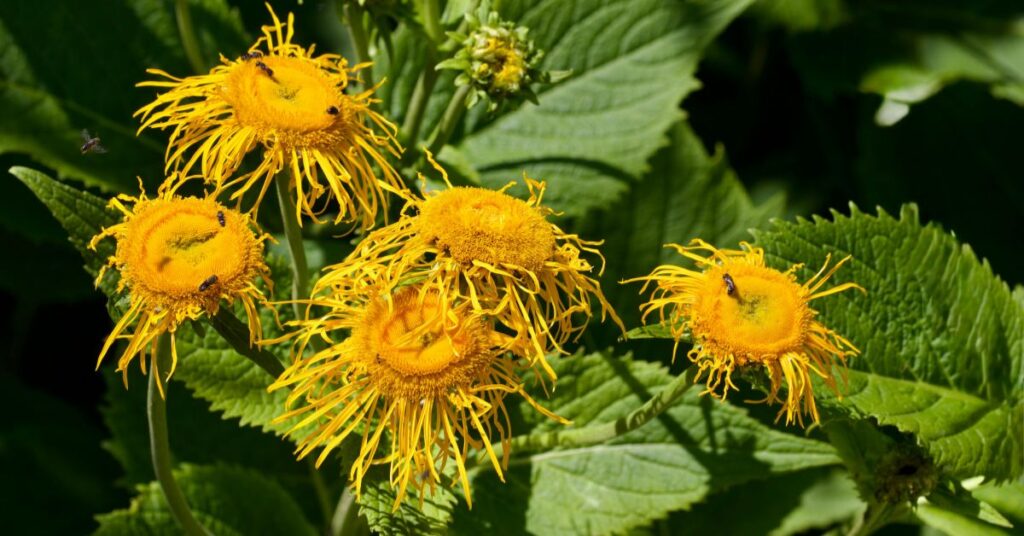
One such plant is elecampane (Inula helenium), whose root — known as Inulae radix — is used for medicinal purposes. Although it is best known for its role in supporting respiratory health, its inulin content may also contribute to metabolic support.
Jerusalem artichoke (Helianthus tuberosus) is particularly noteworthy in this regard. Its tuber is one of the richest plant sources of inulin. In fact, inulin is extracted industrially from this plant, which is why most commercially available inulin powders and capsules are produced from Jerusalem artichoke.
For home use, Jerusalem artichoke can be consumed raw or processed. Although therapeutic effects require regular consumption, it may become a useful part of the diet in milder cases. However, it is important to know that in large amounts it may cause bloating, so it is advisable to introduce it gradually into the diet.

The root of chicory (Cichorium intybus), known in phytotherapy as Cichorii radix, also contains significant amounts of inulin. Tea made from the root has traditionally been used to support digestion. Chicory coffee, a long-standing coffee substitute, is also produced from this plant.

Lifestyle and medicinal plants together
The management of type 2 diabetes always requires a comprehensive approach. Medicinal plants alone are not a solution, but together with a proper diet, regular physical activity, and medical supervision, they may play an important supportive role.
Balanced nutrition, reducing processed sugars, and consuming fiber-rich foods can all contribute to stabilizing blood sugar levels. Plants containing inulin may support this process in a natural way.
Important: diabetes management is always a medical responsibility
Although phytotherapy and dietary changes can support metabolic health, it is essential to emphasize that diabetes is a serious condition that requires medical supervision. Persistent abnormalities in blood sugar levels may lead to severe complications, so treatment must always be guided by a healthcare professional.
Medicinal plants — including those containing inulin — may provide supportive options as part of lifestyle therapy, but they do not replace medical diagnosis, regular monitoring, or prescribed treatment. Blood sugar regulation is a complex process involving nutrition, physical activity, medication, and lifestyle factors.
For this reason, if diabetes is suspected or already diagnosed, it is always necessary to consult a physician before regularly using any medicinal plant or dietary supplement. Phytotherapy can be a valuable complementary tool, but only when used consciously and with professional guidance.
Modern lifestyle factors, particularly excessive sugar consumption and lack of physical activity, play a significant role in the development of type 2 diabetes. Although the condition cannot be cured, maintaining balanced blood sugar levels is often possible.
Phytotherapy may provide support in this process. Medicinal plants rich in inulin — such as Jerusalem artichoke, elecampane, and chicory — may help slow carbohydrate absorption and support blood sugar balance. With a conscious lifestyle and regular consumption, these plants can become valuable allies in supporting metabolic health.