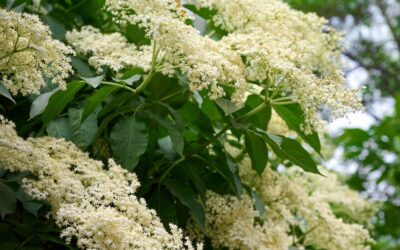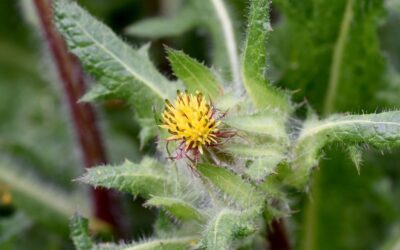

Main constituents:
- 1,8-cineole (eucalyptol) – may comprise 70–90%
- α-pinene
- limonene
Effects:
- Mucolytic and expectorant: loosens mucus in the respiratory tract.
- Bronchodilatory: helps expand the airways and ease breathing.
- Antibacterial and antiviral.
- Creates a cooling, refreshing sensation in the airways.
Eucalyptus oil is particularly effective for nasal congestion, sinusitis, catarrh, or breathing difficulties. The vapor of eucalyptus oil can bring rapid relief.
3. Peppermint oil (Mentha × piperita)
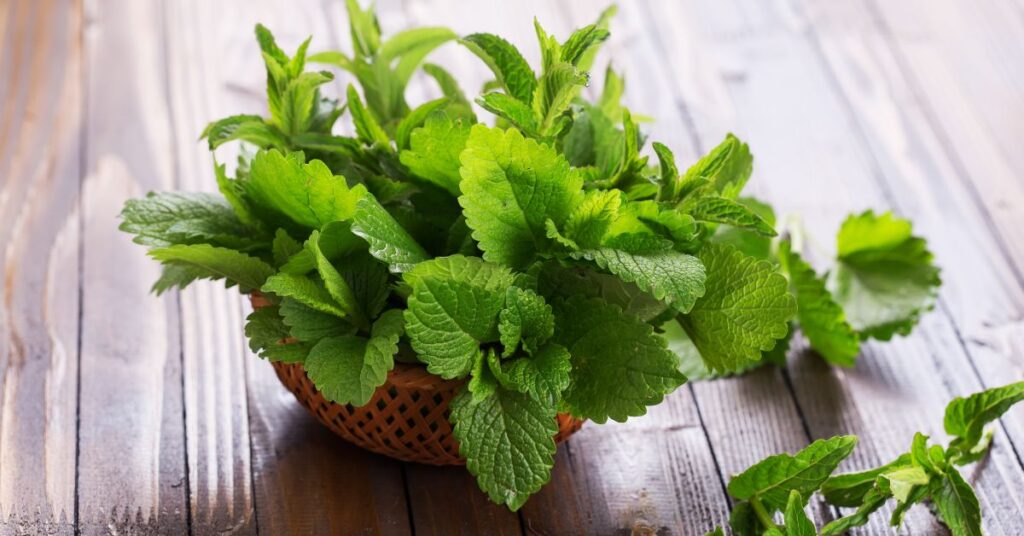
Main constituents:
- menthol
- menthone
- 1,8-cineole
- menthyl acetate
Effects:
- Cooling and refreshing.
- Relieves headache and respiratory discomfort.
- Clears the airways and loosens mucus.
- Antimicrobial and anti-inflammatory.
Important warning for children:
Due to its high menthol content, peppermint oil must not be used in children under three years of age. Menthol may trigger reflex laryngospasm (a sudden tightening of the vocal cords) in small children, which can lead to breathing difficulties. For this reason, it should not be inhaled or applied externally in young children.
In adults and older children, peppermint oil can be used safely, but always in moderation.
4. Lavender oil (Lavandula angustifolia)
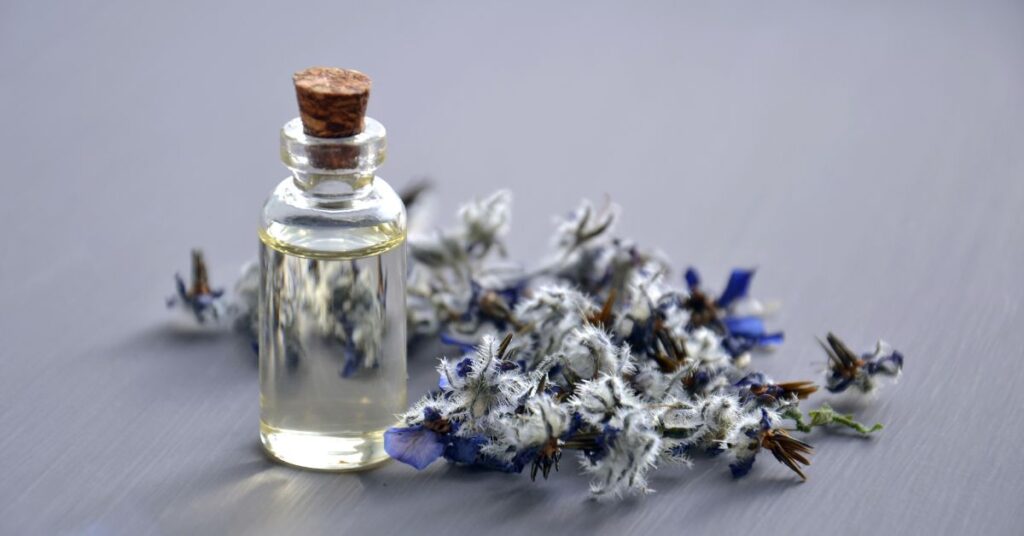
Main constituents:
- linalool
- linalyl acetate
- camphor (in small amounts)
- 1,8-cineole
Effects:
- Calming and stress-reducing.
- Anti-inflammatory and mildly antiseptic.
- Soothes cough and throat irritation.
- Improves sleep quality.
Lavender essential oil is especially useful when cold symptoms are accompanied by tension or sleep disturbances. Its pleasant aroma calms the nervous system, supporting the body’s regenerative processes.
Important precautions when using essential oils
Never apply essential oils undiluted directly to the skin or mucous membranes.
Consult a healthcare professional or phytotherapist before use in young children, pregnant or breastfeeding women, or individuals with chronic illnesses.
Peppermint and eucalyptus oils must not be used for inhalation in small children.
Always follow dosage recommendations, as excessive amounts may cause irritation or allergic reactions.
Cold and flu symptoms can be relieved naturally. When used together, tea tree, eucalyptus, peppermint, and lavender essential oils help clear the airways, reduce inflammation, and support the body’s recovery. Inhalation is a simple, fast, and effective way to deliver active compounds directly to the respiratory system—requiring only 10 minutes of calm twice a day and a few drops of nature’s essence.
Use essential oils consciously, prioritize safe application, and discover the remarkable power hidden in the scent of plants.