When working with medicinal herbs, we often encounter different extraction methods used to obtain and utilize the plants’ active compounds. One such method is the macerate, also known as a cold-water extract. This technique is particularly suitable for plant materials that contain heat-sensitive compounds. In this article, we will take a closer look at how macerates are prepared, how they can be used, and what advantages they offer.
What is a macerate?
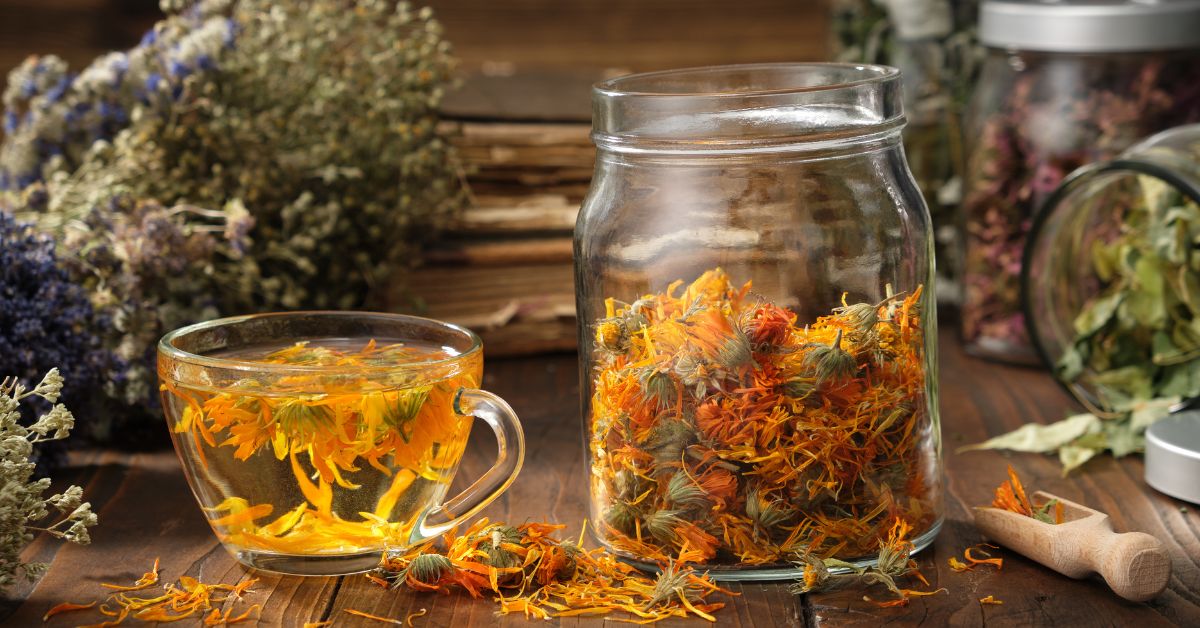
A macerate is an extract prepared by soaking plant material in cold or lukewarm water. This method is especially useful when the plant’s active compounds are sensitive to heat and may easily degrade during boiling or heating.
During maceration, the plant parts are soaked for an extended period, allowing the active compounds to dissolve gently without exposure to heat.
When should you prepare a macerate?
The main reason for preparing a macerate is to preserve heat-sensitive active substances. Some examples of plants for which maceration is particularly recommended include:
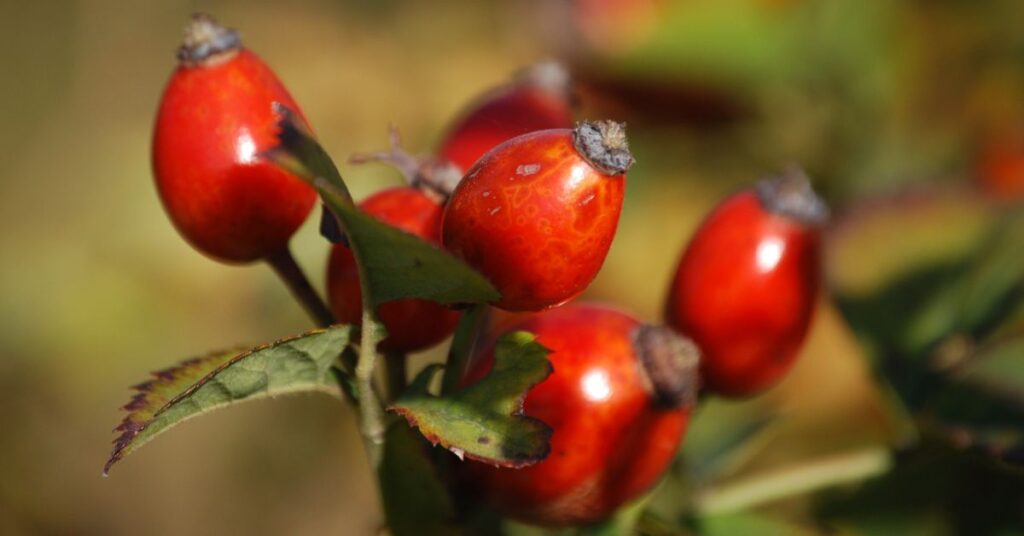
- Rosehip – rich in vitamin C, which breaks down when exposed to heat.
- European mistletoe – its active compounds are heat-sensitive and most effective when extracted in cold water.
- Valerian root – its calming constituents are also sensitive to higher temperatures.
How to prepare a macerate
Preparing a macerate is simple but requires patience, as the soaking process takes longer than traditional herbal infusions.
Ingredients
- Dried or fresh plant material (leaves, flowers, roots, etc.)
- Cold or lukewarm water
- A clean container or glass jar
- A strainer
Preparation method
- Prepare the plant material
Crush or chop the dried or fresh plant parts into smaller pieces to increase the surface area for extraction. - Soaking
Place the plant material into a clean container or jar. Pour cold or lukewarm water over it until the plant material is completely covered. - Steeping time
Cover the container and allow it to stand for 6–8 hours, or even overnight. Stir occasionally to support even extraction of the active compounds. - Straining
After the soaking period, strain the liquid using a clean filter or sieve. The macerate is then ready for immediate use. - Optional warming
Although macerates are cold-water extracts, they may be gently warmed before consumption if desired. However, heating should be brief and at a low temperature to prevent degradation of heat-sensitive compounds.
Uses of macerates
Macerates can be used in many ways depending on the plant material and the intended therapeutic purpose. Examples include:
- Immune support: Rosehip macerate helps strengthen the immune system thanks to its high vitamin C content.
- Calming effects: Valerian macerate may support relaxation and help manage sleep disturbances and anxiety.
- Cardiovascular support: Mistletoe macerate may assist in regulating blood pressure and maintaining vascular health.
Advantages of maceration
Maceration offers several important benefits:
- Preservation of heat-sensitive compounds – Cold extraction protects delicate active ingredients.
- Gentle extraction process – Active compounds dissolve slowly and evenly while maintaining their natural properties.
- Simple preparation – No special equipment or complicated procedures are required, making it easy to prepare at home.
Maceration is an effective and gentle method for extracting active compounds from medicinal plants that contain heat-sensitive substances. Thanks to its simple preparation and wide range of applications, maceration is a valuable technique in natural medicine. Whether used internally or externally, macerates provide a natural way to support health and overall well-being.