
Supporting healthy digestion plays a key role in maintaining overall wellbeing. Many people occasionally struggle with digestive discomfort such as bloating, heartburn, or sluggish digestion. Fortunately, nature offers effective and gentle solutions to these common issues. In this article, we introduce three valuable medicinal herbs — blessed thistle, common centaury, and dandelion — which can help support digestion while also contributing to long-term health maintenance.
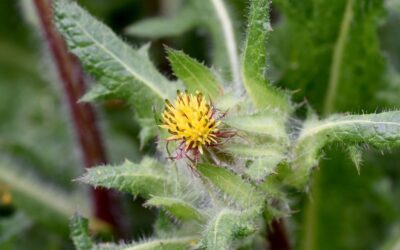
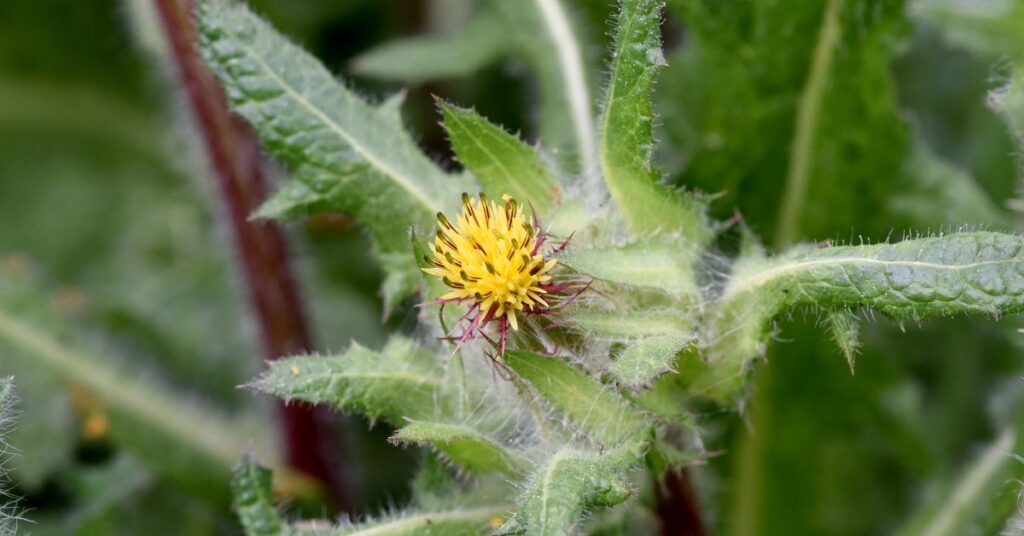
Blessed thistle (Cnicus benedictus)
Blessed thistle belongs to the Asteraceae family and has been used medicinally since ancient times. For therapeutic purposes, the aerial parts of the plant — known as Cardui benedicti herba — are utilized. Its main active compounds include sesquiterpene lactones, especially cnicin (0.2–0.7%), along with essential oils.
Effects
Blessed thistle is best known for its digestive-stimulating properties, primarily due to its bitter constituents. The bitter taste stimulates the digestive mucosa, promoting the production of digestive juices and bile.
As a result, it:
- supports digestion,
- improves food processing,
- and acts as a natural appetite stimulant.
Contraindications
In rare cases, blessed thistle may cause photosensitivity, as it contains furanocoumarins. For this reason, strong sun exposure should be avoided after consuming the tea.
Its use is also not recommended in cases of gastric or intestinal ulcers.
Common centaury (Centaurium erythraea)
Common centaury is a pink-flowering plant belonging to the Gentianaceae family, typically growing 30–40 cm tall. The medicinally used part is the flowering herb, known as Centaurii herba. It is important not to confuse it with greater centaury, which is significantly larger and a protected species.

Effects
Centaury contains secoiridoid glycosides, compounds that stimulate the secretion of digestive juices.
Thanks to this action, it:
- enhances digestive function,
- stimulates appetite,
- and improves nutrient absorption.
Contraindications
Its use is not recommended for individuals with gastrointestinal ulcers. In excessive amounts, it may cause nausea or mild diarrhea.
Dandelion (Taraxacum officinale)
Dandelion — commonly known as one of the most widespread wild plants — also belongs to the Asteraceae family. Nearly all parts of the plant are medicinally valuable, including the leaves, flowers, and roots.

Effects
Dandelion contains inulin, a compound with prebiotic properties that supports a healthy gut microbiome.
Additionally, it:
- stimulates bile and gastric juice production,
- supports digestion,
- has anti-inflammatory effects,
- and contributes to detoxification processes.
Contraindications
Dandelion should not be used in cases of gallstones or bile duct obstruction. Large quantities may lead to diarrhea.
Natural support for healthier digestion
Blessed thistle, common centaury, and dandelion are excellent herbal allies for supporting digestive processes while also promoting overall health.
However, consulting a healthcare professional is recommended before use — especially for individuals with chronic conditions or those taking medication.
When applied consciously and responsibly, natural remedies can provide long-term support for improved wellbeing and balanced digestion.