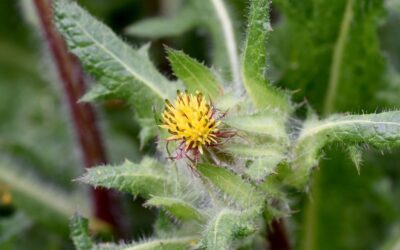

As spring arrives, more and more people head outdoors for hiking, walking, and physical activity. However, longer walks, mountain hikes, or even a sudden movement can easily lead to minor injuries such as muscle strains, sprains, or joint pain. In such cases, many look for immediate solutions — yet there is a traditional, well-established medicinal plant that can be particularly useful for these problems: comfrey.
What is comfrey?
Comfrey (Symphytum officinale) is a well-known medicinal plant that has been used for centuries, primarily for external application. In phytotherapy, the plant’s root is used, which is rich in active compounds.
Its most important components include allantoin, which stimulates cell regeneration, as well as tannins and mucilage, which contribute to its anti-inflammatory and wound-healing effects. It also contains pyrrolizidine alkaloids, which is why it must not be used internally.
Why is it effective for musculoskeletal complaints?
One of comfrey’s most important properties is its ability to support tissue regeneration. This makes it particularly useful for musculoskeletal problems.
It may be used in cases such as:
joint pain
sprains and dislocations
muscle strains
sports injuries
pain caused by overuse
Its effect is multifaceted: it reduces inflammation, relieves pain, and supports the regeneration of damaged tissues at the same time. For this reason, it can be especially helpful during more active periods, such as after hiking or physical activity.
Also useful in wound healing
Comfrey is not only used for musculoskeletal complaints but is also known for its benefits in slow-healing wounds and ulcers. Its epithelializing and wound-healing properties may support skin regeneration. However, it should only be applied to intact skin — it is not recommended for open wounds.

How to use it in practice
Comfrey should be used exclusively externally. It is most commonly available in the form of creams, ointments, or balms.
1. Ready-made preparations
The simplest option is to use comfrey creams available in pharmacies or drugstores. These usually contain standardized extracts, making them safe to use.
Usage:
apply a thin layer 2–3 times daily
gently massage into the affected area
2. Homemade comfrey ointment
If you prefer a more natural solution, you can prepare comfrey ointment at home.
Basic recipe:
dried or fresh comfrey root
carrier oil (e.g., olive oil or sunflower oil)
beeswax
Preparation (short version):
Chop the root and soak it in the oil, then heat gently (without boiling) for 1–2 hours.
Strain the oil.
Add beeswax (approx. 10–15%) and heat until melted.
Pour into a container and let it cool.
The resulting ointment can be used for sore joints, strains, or bruises.
For more severe complaints, a compress can also be prepared:
crush the root into a paste
place it on gauze
apply to the affected area for 15–20 minutes
This can be particularly helpful for sprains or swelling.
What to pay attention to
There are a few important rules when using comfrey:
use only externally
it is toxic if taken internally
apply only to intact skin
for long-term use or application over large areas, consult a professional
Comfrey is a traditional and well-established medicinal plant that can be particularly useful for musculoskeletal complaints. In spring, when outdoor activities and physical movement increase, minor injuries and strains become more common — and this is where comfrey can provide natural support.
Thanks to its anti-inflammatory, pain-relieving, and regenerative effects, it may offer effective support for the body. When used consciously and appropriately, comfrey can be a valuable aid in relieving everyday musculoskeletal discomfort.