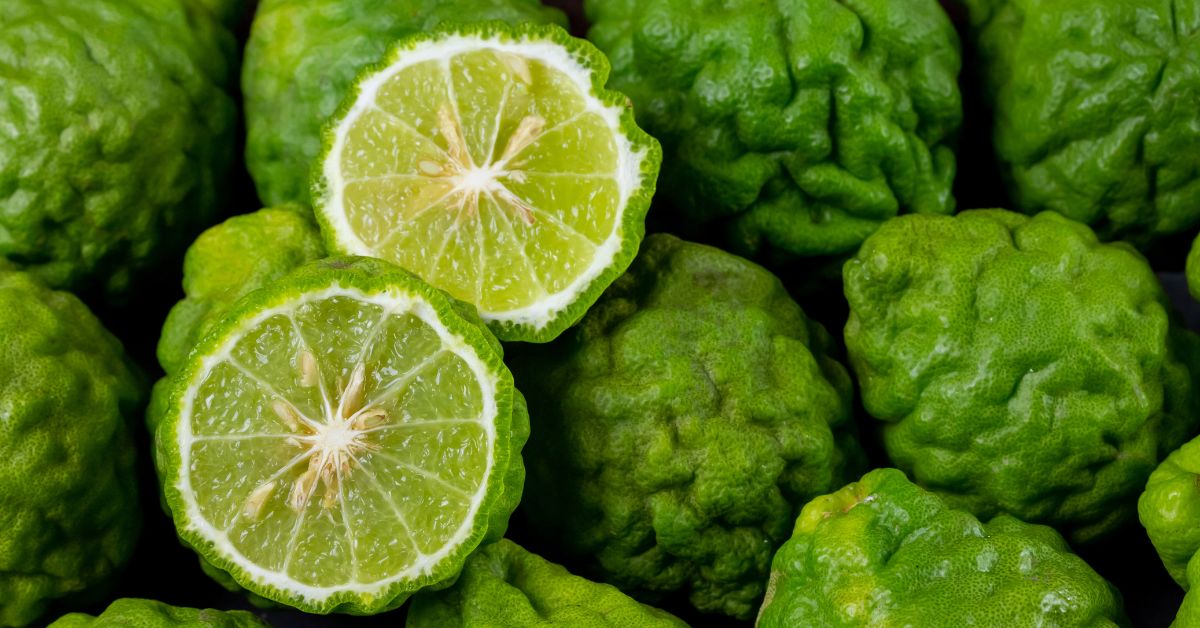
The bergamot essential oil (Aetheroleum bergamottae) is one of the most beloved — and at the same time one of the most complex — citrus oils used in aromatherapy. Its fresh yet softly calming aroma can both release tension and lift the mood. It’s no wonder that bergamot holds a prominent place in modern herbal therapy and aromatherapy — whether we’re talking about emotional balance, skincare, or even disinfection.
Botanical background and origin
Bergamot belongs to the rue family (Rutaceae) and its botanical name is Citrus bergamia. Originally native to tropical regions of Asia, today it is cultivated mainly in the Mediterranean. The fruit resembles a cross between an orange and a lemon, but it’s the peel — rather than the juicy flesh — that is valuable.
The part of the plant used for essential oil production is the peel of ripe or unripe fruit, which is extremely rich in volatile fragrant oils. Interestingly, it takes about 200 kilograms of fruit peel to produce just 1 kilogram of essential oil, highlighting how concentrated and precious this raw material is
How the oil is produced
Bergamot essential oil is extracted using two main methods:
- Cold pressing (the most common method for citrus oils),
- Steam distillation (a rarer but important alternative).
Oil obtained by cold pressing contains more furanocoumarins (such as bergapten), while the distilled version is free from these components — and therefore non-phototoxic. This difference is crucial when considering how the oil is used.
Physical characteristics and aroma profile
Bergamot essential oil typically has a green to pale yellow color and a fresh, fruity, slightly floral, and mildly tart scent. Many people recognize its aroma from the popular Earl Grey tea, which is traditionally flavored with bergamot oil.
Its unique scent combines:
- Refreshing notes
- Harmonizing qualities
- Uplifting facets
This special combination is what makes bergamot stand out among other essential oils.
Main Chemical Components
The main constituents of cold-pressed bergamot essential oil include:
- Linalyl acetate — calming and stress-relieving
- Limonene — refreshing and mildly antiseptic
- Linalool — relaxing and supportive of the nervous system
- Bergapten and other furanocoumarins — responsible for phototoxic effects
These components together create the oil’s complex activity profile.
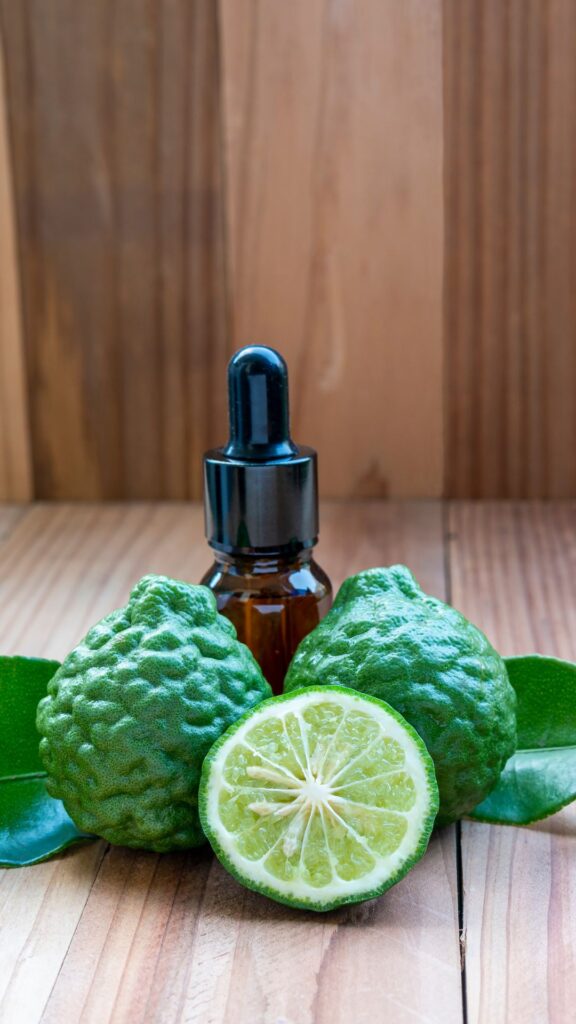
Effects on the nervous system and emotions
One of bergamot essential oil’s most notable properties is its calming but non-sedative effect — meaning it relaxes the nervous system without dulling the mind. It’s associated with:
- Anxiety relief
- Reduction of restlessness
- Mood enhancement
- Mild antispasmodic effects
It’s especially recommended for situations like:
- difficulty falling asleep (aromatherapy before bedtime)
- stressful or overwhelming periods
- emotional fatigue or mood swings
This aligns with research suggesting bergamot oil can help reduce stress and improve mood when used in aromatherapy.
Antiseptic and physical uses
Bergamot essential oil also has a relatively strong antiseptic effect, making it suitable for:
- oral care (e.g., mouth rinses or toothpaste ingredients)
- treating minor skin injuries or insect bites
- purifying air when diffused
- relieving stress-related physical tension due to its spasm-reducing properties
Cosmetic applications
Bergamot oil is especially beneficial for oily or blemish-prone skin. It can help regulate sebum production, refresh the complexion, and support the reduction of mild inflammation.
Common applications include:
- skincare for oily skin
- complementary care for acne-prone skin
- soothing minor insect bites
As with all essential oils, it should always be properly diluted in a suitable carrier oil before topical use.
Safe Use and Precautions
Although bergamot essential oil is not inherently toxic or sensitizing, it can be phototoxic due to its furanocoumarin content. This means it may increase the skin’s sensitivity to sunlight.
When using cold-pressed bergamot oil topically:
- Avoid concentrations above 0.4% if sun exposure is expected.
- Refrain from direct sunlight or tanning beds for at least 12 hours after application.
Steam-distilled bergamot oil, which is free from furanocoumarins, is not phototoxic and may be used more safely during the daytime. Nevertheless, proper dilution remains essential.