Changes in mental well-being can appear in many different ways. You may feel sad, withdrawn, anxious, irritable or hopeless. Symptoms such as insomnia, fatigue or difficulty concentrating are also common. Our emotional state often shifts from day to day, influenced by stress, anxiety, physical health, social and economic factors, loneliness and many other circumstances. In a fast-changing world like ours, it is natural to feel vulnerable at times. That is why strengthening emotional resilience is so important — learning how to move through difficult periods with greater balance and stability. In this article, we introduce five medicinal plants that may offer gentle support during challenging times.
1. Ashwagandha root (Withania somnifera)
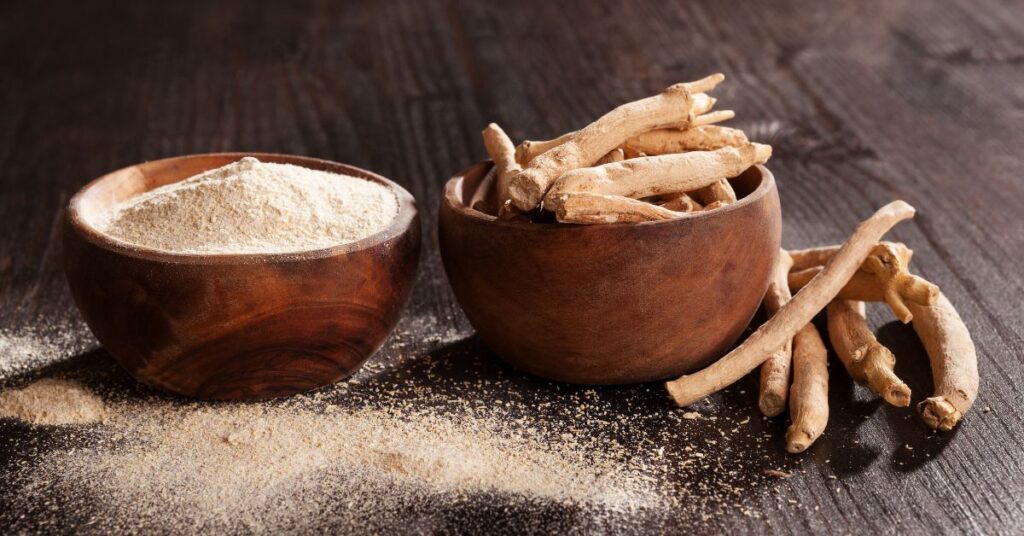
Ashwagandha, also known as Indian ginseng or winter cherry, is one of the most valued herbs in Ayurvedic medicine. It has been used for centuries to support overall health and well-being, and in recent years it has gained growing popularity in Western herbal practice as well.
Reducing stress and anxiety
Ashwagandha is best known for its stress-relieving effects. As an adaptogen, it helps regulate the body’s response to stress, increases resilience and reduces the negative physiological effects of prolonged tension. Regular use may significantly lower cortisol levels — often referred to as the stress hormone — promoting a calmer and more balanced emotional state.
Interestingly, ashwagandha can be both gently energizing and calming at the same time. Traditionally, it has been used for nervous tension, fatigue, low energy levels, anxiety and stress-related insomnia.
Mood support and better sleep
Ashwagandha may also improve mood and sleep quality. Its calming properties can help reduce symptoms of depression and insomnia while supporting deeper, more restorative sleep — essential for both mental and physical recovery.
Supporting cognitive function
Research suggests that ashwagandha may enhance brain function, including memory and concentration. Its neuroprotective effects help protect nerve cells and support brain plasticity, which is crucial for maintaining healthy cognitive performance.
How to use it
Ashwagandha is commonly consumed as tea, tincture, powder or dietary supplement. It is typically taken daily for stress management, though dosage varies individually. General daily intake ranges between 3–9 grams.
Ashwagandha tea recipe
Ingredients
- 1 teaspoon ashwagandha root powder or 1–2 teaspoons chopped root
- 250 ml water
- Honey (optional)
- Milk or plant-based milk (optional)
Preparation
- Bring the water to a boil.
- Add the ashwagandha root or powder.
- Reduce heat and simmer for 10–15 minutes.
- Strain the tea.
- Sweeten if desired and optionally add spices such as cinnamon, ginger, cardamom, clove or fennel.
- Milk may be added for a creamier taste.
2. Rhodiola (Rhodiola rosea)
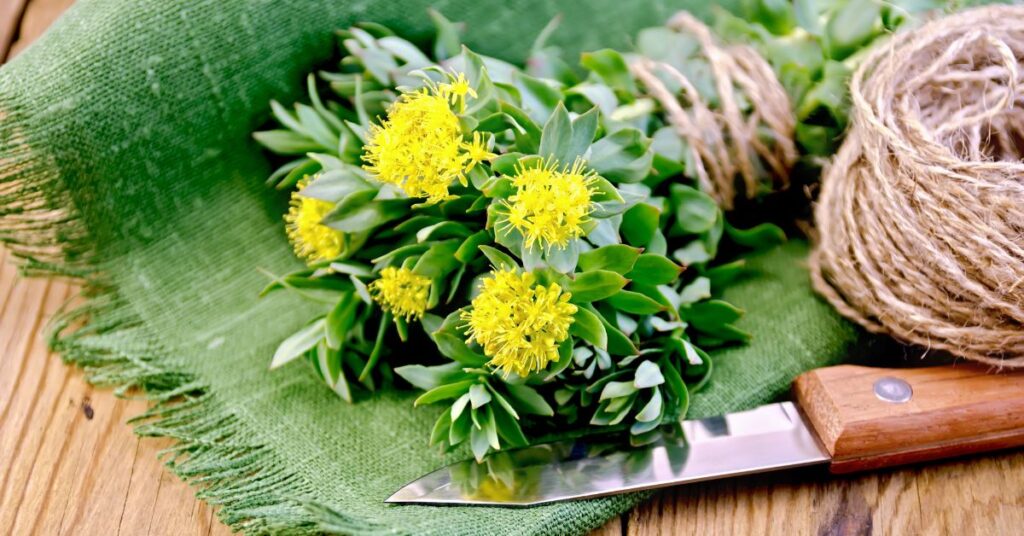
Rhodiola, also known as golden root, is another well-known adaptogenic herb. It has long been used in traditional medical systems including Chinese, Tibetan, Russian, Central Asian and Scandinavian medicine.
Stress relief
One of rhodiola’s primary benefits is reducing stress. Studies show that it may lower cortisol levels and help the body cope more effectively with mental and emotional strain.
Improving physical and mental performance
Rhodiola enhances endurance and reduces fatigue, making it particularly useful during periods of intense mental or physical demand. It may also improve concentration, memory and problem-solving ability.
Mood enhancement
Rhodiola has mild antidepressant properties and may help support a more positive emotional state.
Use and precautions
Rhodiola is available as tea, tincture or most commonly as standardized supplements. It is best taken on an empty stomach and not before bedtime, as its stimulating effect may interfere with sleep.
Typical dosage ranges from 100–600 mg daily, depending on the purpose of use.
Consult a healthcare professional before use, as rhodiola may interact with anti-anxiety medication, antidepressants, antibiotics, hormonal contraceptives, diabetes medication or thyroid treatments.
3. Oat (Avena sativa)
Although oats are widely known as a nutritious food, their therapeutic value in herbal medicine has gained increasing recognition.
Nervous system support
Oat herb and oat extracts are rich in B vitamins — particularly vitamin B1 — which play an essential role in maintaining healthy nervous system function. These nutrients help reduce stress and anxiety while supporting emotional stability.
Improving sleep quality
Oats contain melatonin and complex carbohydrates that promote serotonin production, helping regulate the sleep–wake cycle and support restful sleep.
Supporting mood
Oats contain avenin, an alkaloid associated with increased serotonin activity in the brain. Balanced serotonin levels contribute to emotional stability and may help ease depressive symptoms.
Cognitive protection
Antioxidants known as avenanthramides protect brain cells from oxidative stress, supporting memory and concentration.
Anti-inflammatory effects
Inflammation may contribute to neurological disorders. Phytochemicals found in oats may help reduce inflammatory processes affecting the nervous system.
Ways to use oats
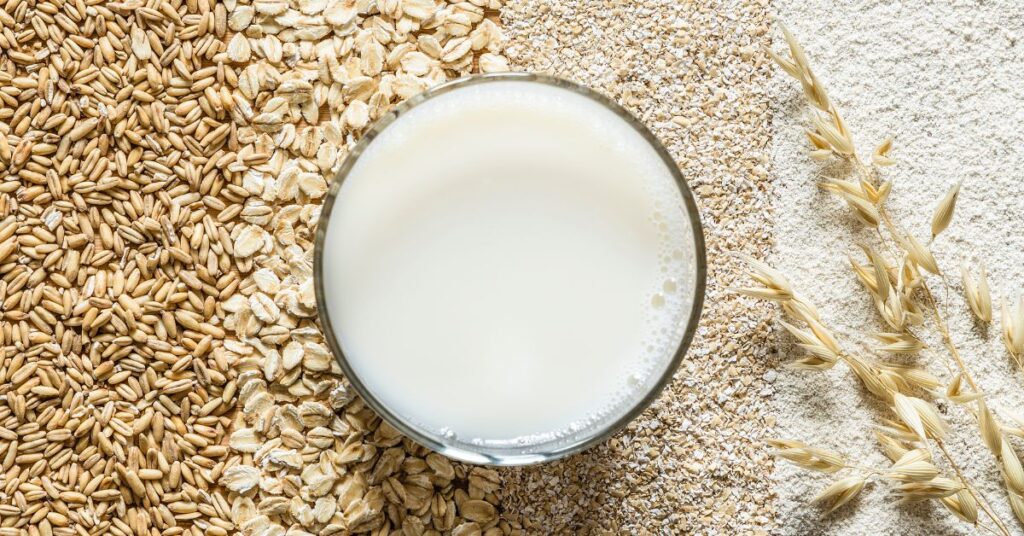
- Oat milk traditionally used for irritability, anxiety and nervous imbalance
- Oat straw tea for calming and stress relief
- Extracts or tinctures for nervous exhaustion
- Oatmeal as a nourishing daily food supporting stable energy
- Fresh oat juice or supplements for concentrated effects
4. St. John’s wort (Hypericum perforatum)
St. John’s wort is one of the most well-known herbs used to support emotional health, particularly in cases of mild to moderate depression.
Its active compounds — hypericin and hyperforin — play a key role in its antidepressant effects. Research shows that St. John’s wort may produce results comparable to certain conventional antidepressants in mild cases.
The herb increases levels of serotonin, dopamine and noradrenaline in the brain, helping restore emotional balance and improve mood. It also has anti-inflammatory properties that may further support mental well-being.
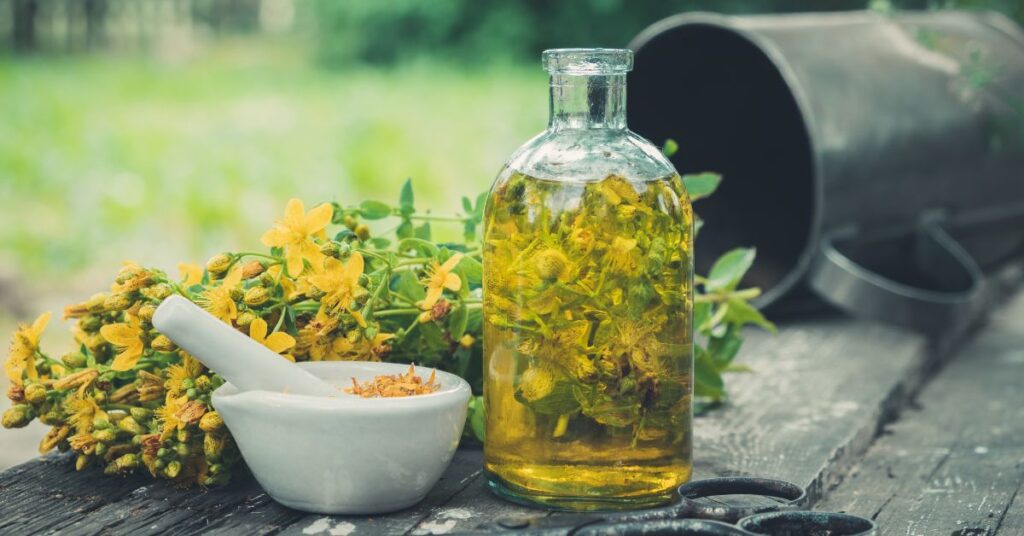
It is commonly used as tea, oil or standardized preparations.
Homemade St. John’s wort oil
Ingredients
- Fresh flowering St. John’s wort
- Olive oil or another neutral oil
- Clean glass jar
Preparation
- Fill the jar loosely with fresh flowers and buds.
- Pour oil over them until completely covered.
- Seal and place in a sunny location.
- Let infuse for 3–6 weeks, shaking occasionally.
- Strain and store in a dark glass bottle.
Important: St. John’s wort interacts with many medications, including antidepressants and hormonal contraceptives. Always consult a healthcare professional before use.
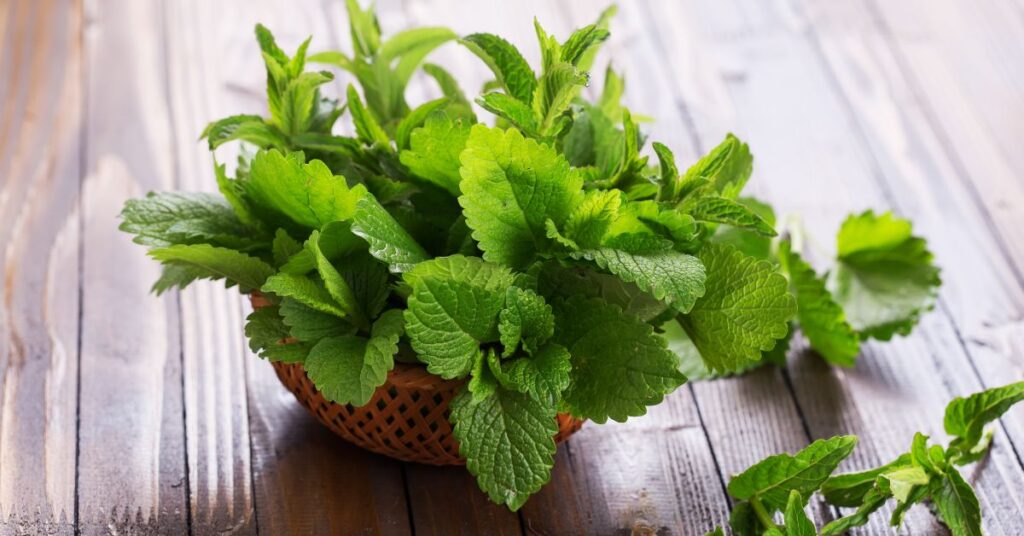
5. Lemon balm (Melissa officinalis)
This gently citrus-scented herb is one of the most soothing plants for the nervous system. Lemon balm helps calm stress, anxiety and emotional tension while promoting relaxation.
It is known to improve mood, ease emotional restlessness and “cool an agitated heart,” making it particularly helpful for sleep disturbances. As a member of the mint family, it can also relieve digestive discomfort related to stress or anxiety.
Active compounds
Lemon balm leaves contain essential oils such as geranial, citronellal and neral, which directly influence the nervous system and promote relaxation. Flavonoids provide antioxidant effects and help regulate stress hormone production.
Use
Lemon balm is commonly consumed as tea or tincture, while its essential oil is frequently used in aromatherapy to calm the mind and nervous system.
There are many natural ways to support mental health, and herbal medicine is only one piece of the puzzle. Medicinal plants are not miracle cures — they complement, but do not replace, medical treatment or holistic care.
Before starting any herbal regimen, consult a qualified healthcare professional to ensure the chosen herbs are appropriate for your individual needs.
If you are struggling with mental health challenges, avoid self-diagnosis. Seeking support from a therapist or healthcare professional can help identify underlying causes and guide you toward lasting well-being.