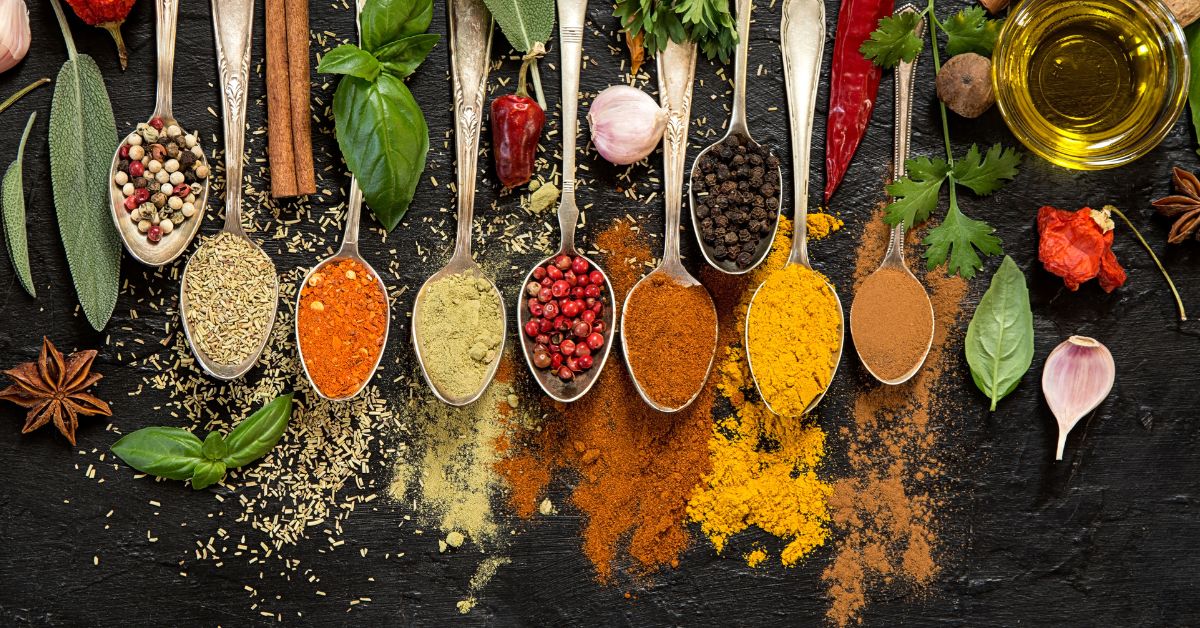
Nature is full of treasures — including culinary herbs and spices that don’t just make your food taste better, but can also support your health. These plants have been part of human culture for centuries, yet we often only think of them as “kitchen ingredients.” In reality, they can offer much more than flavor. In this article, we’re focusing on spices you can use not only after symptoms appear, but also preventively. These natural helpers may support the health of your bones, joints, and skin — which makes them worth keeping in your everyday routine. Let’s look at how these spices may contribute to overall wellbeing, and how you can use them simply and effectively in daily life.
1. Cinnamon (Cinnamomum species)
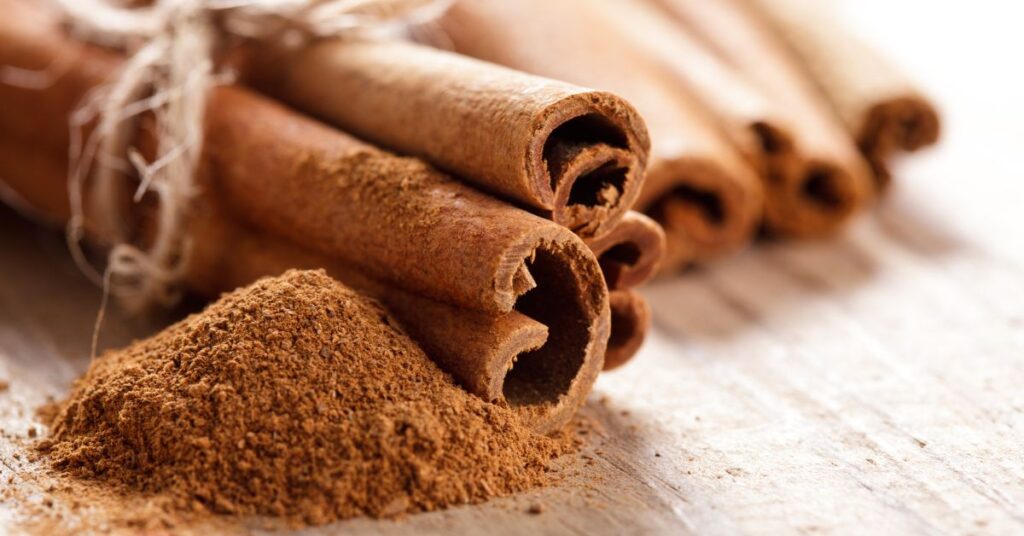
Cinnamon is commonly used in desserts, hot drinks, and cozy winter recipes — but it also has a surprisingly broad range of wellness benefits. It may be useful for inflammation affecting the joints, bones, and skin, so it’s worth getting to know this fragrant spice beyond baking.
Active compounds
Cinnamon is rich in:
- essential oils (1–4%, mainly cinnamaldehyde),
- mucilage,
- tannins.
In addition, eugenol — the key component of cinnamon leaf essential oil — is also associated with various health-related effects.
Anti-inflammatory and pain-relieving potential
Cinnamon may be helpful in inflammatory conditions such as rheumatoid arthritis, because its active compounds — including cinnamaldehyde and eugenol — have strong anti-inflammatory properties. This is also why cinnamon is often mentioned in connection with easing joint and bone discomfort, especially for people dealing with chronic joint issues.
Blood pressure and blood sugar support
Cinnamon is also discussed in relation to blood pressure and blood sugar regulation. Research suggests cinnamon consumption may positively influence blood sugar levels, which can be relevant for people managing diabetes. It may also support blood pressure reduction, which can contribute to lowering chronic inflammation and improving overall wellbeing.
2. 2) Turmeric (Curcuma longa)
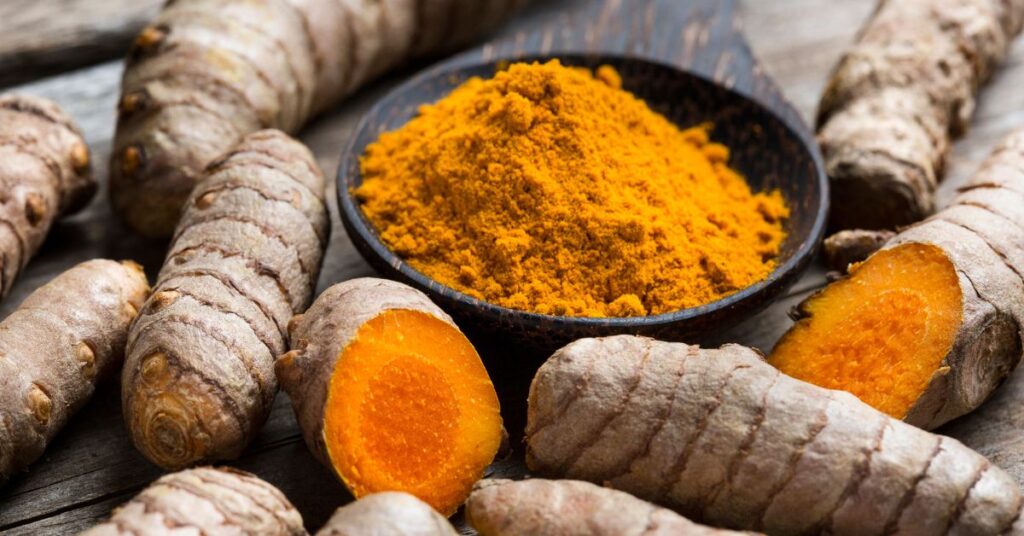
urmeric is one of the most widely used medicinal spices worldwide, and for good reason. Its best-known active compound, curcumin, has strong anti-inflammatory and antioxidant properties — which is exactly why turmeric is often mentioned in connection with skin health.
Active compounds
- Curcumin (primary active compound)
Skin support and common uses
Turmeric may be beneficial for various skin issues, including psoriasis, due to its ability to reduce inflammation and irritation. Its anti-inflammatory action can help calm redness and swelling, while its antioxidant properties help protect skin cells from oxidative stress.
Supporting wound healing
Curcumin may support collagen production, which is essential for skin regeneration. Turmeric is also described as having antibacterial and antifungal properties, which can help reduce the risk of wound infection and support a healthier skin microbiome.
Internal use matters, too
Turmeric isn’t only used topically — regular dietary use may also support the body’s defenses against inflammatory processes, helping maintain skin health and potentially lowering the risk of inflammation-related skin flare-ups.
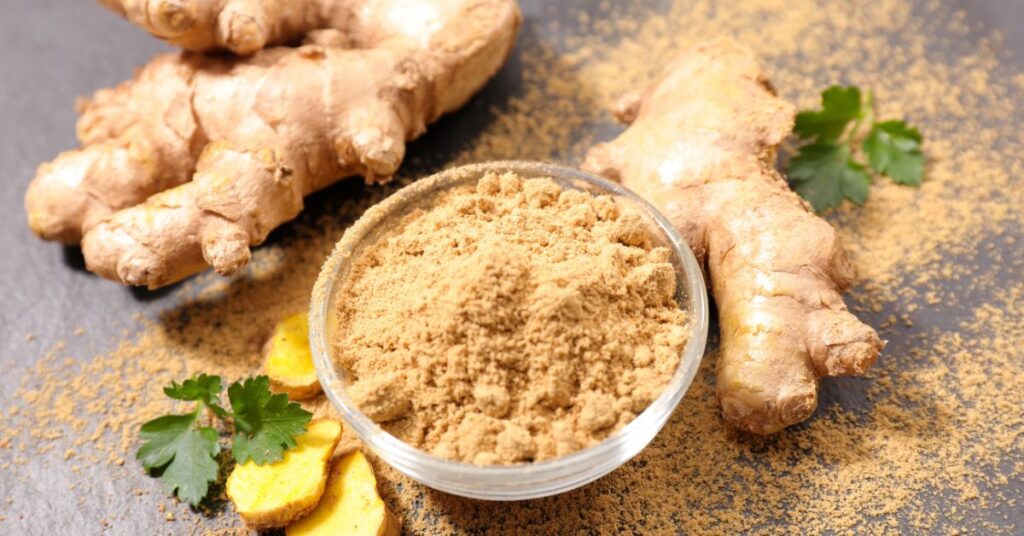
3. Ginger (Zingiber officinale)
Ginger is a classic — widely used in traditional medicine and increasingly recognized by modern research as well. It’s versatile, warming, and especially interesting when we talk about inflammation and joint comfort.
Active compounds
Ginger contains:
- essential oils (1–3%),
- pungent compounds (which intensify during drying — this is why dried ginger is usually hotter than fresh).
Anti-inflammatory support
Ginger has notable anti-inflammatory and antioxidant properties, which can be useful in chronic inflammatory conditions such as joint inflammation. It may help reduce joint discomfort and improve mobility. Its antioxidant action also supports the body by protecting cells against oxidative damage.
Compounds such as gingerol and shogaol are highlighted for their strong anti-inflammatory effects. These may help reduce the production of inflammation-related substances in the body, easing inflammatory symptoms and pain. Ginger also supports immune function, which can be helpful for prevention and recovery.
External use
Ginger isn’t only for teas and meals — it’s also used externally, for example in compresses or massage oils to support muscle pain and joint inflammation. Ginger oil massage may improve circulation, reduce tension, and promote relaxation.
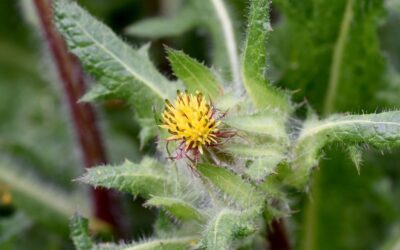
4. Calendula (Calendula officinalis)
Calendula is one of the best-known skin-supporting medicinal plants — and its popularity is not accidental. Its compounds are strongly associated with calming irritated skin and supporting healing processes.
Active compounds
Calendula contains:
- flavonoids,
- triterpenes,
- carotenoids,
- essential oils.
Flavonoids contribute antioxidant support, while triterpenes are known for anti-inflammatory activity.
Anti-inflammatory and antibacterial effects
Calendula is especially valued for its anti-inflammatory and antibacterial properties, making it useful for many skin-related issues. Calendula extracts are common in creams, ointments, and balms used for:
- burns,
- wounds,
- insect bites,
- rashes and irritation.

Radiation-related skin burns
One serious area where calendula may be particularly valuable is radiation therapy-related skin burns. Clinical studies have found that calendula ointment may reduce radiation-induced skin damage and relieve pain — an important point for cancer patients who experience skin injury as a side effect of treatment.
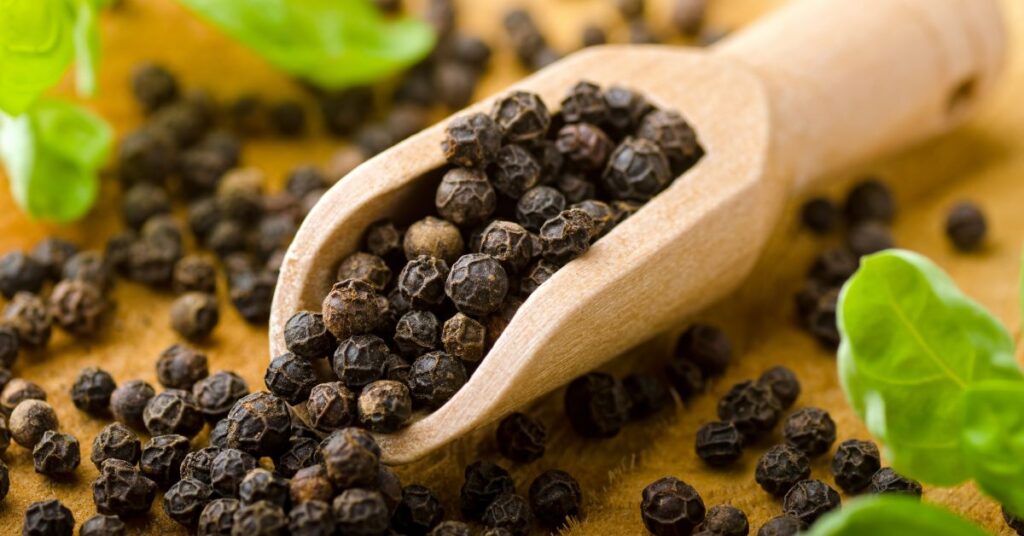
5. Black pepper (Piper nigrum)
Black pepper is often treated as “just a seasoning,” but it has a key compound that makes it especially interesting in a health-support context: piperine.
Active compound
- Piperine
Supporting digestion
Piperine supports digestion by stimulating stomach acid production, which can help break down food and improve nutrient absorption. This matters for bone and joint health because minerals like calcium and magnesium can only support the body properly if they are absorbed effectively.
Improving nutrient bioavailability
Research suggests black pepper may increase the bioavailability of certain nutrients, including:
- B vitamins,
- selenium,
- carotenoids.
Better bioavailability means these nutrients can enter the bloodstream more efficiently, where the body can actually use them — which is essential for maintaining strong bones and healthy joints.
Antioxidant support
Black pepper also has antioxidant properties that help protect cells against oxidative stress. Since oxidative stress can play a role in skin aging and various skin concerns, regular dietary use may support skin health as well by helping neutralize free radicals.
Anti-inflammatory potential
Black pepper may also support inflammatory balance, which is relevant for joint pain and inflammatory conditions such as rheumatoid arthritis. Piperine may help reduce inflammatory processes, easing pain and swelling and supporting joint comfort.
These culinary herbs and spices can do more than make your meals taste good — they may also contribute to long-term health support. They’re especially useful when we think about:
- improving digestion and absorption,
- supporting nutrient use in the body,
- reducing inflammation,
- protecting cells from oxidative stress.
That combination matters for bones, joints, and skin alike. If you use these spices regularly and consciously, they can become simple, everyday tools for supporting your wellbeing — right from your kitchen.