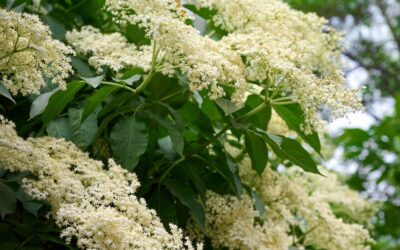

Do you toss and turn at night, struggle to fall asleep, or wake up several times? And in the morning, do you feel as if you haven’t rested at all? Sleep disorders are far more common than you might think — and they are rarely just a standalone issue. They are often linked to both physical and mental complaints. The good news is that certain medicinal herbs may not only help you fall asleep more easily, but can also improve sleep quality over time.
Why is sleep quality so important?
Sleep is not simply “switching off.” It is a cyclical process made up of multiple phases, during which deep sleep and REM stages alternate in roughly 90-minute cycles. These phases are responsible for physical regeneration, the maintenance of the nervous system, and mental recovery.
If this cycle is disrupted, even 7–8 hours of sleep may not feel truly restorative. This often occurs with the use of synthetic sleeping pills: the quantity of sleep may be there, but the quality is not.
The advantage of medicinal herbs is that they do not force sleep on the body. Instead, they help restore the natural rhythm of sleep. However, this takes time: effects are usually noticeable after 1.5–2 weeks of regular use, and long-term improvement may take several months.
The advantages of herbal sedatives
One of the greatest advantages of medicinal herbs is that they do not have toxic side effects. When used properly, they do not cause organ damage, and they do not lead to physical dependence in the classical sense.
The body may become accustomed to their effects, but this is not the same as addiction. They also do not alter consciousness, making them a more balanced and gentle approach.
Valerian – when stronger support is needed
Valerian (Valeriana officinalis) is one of the most potent medicinal herbs for sleep disorders. The root of the plant is used, which contains valepotriates, flavonoids, and essential oils.
Its effects work through calming the nervous system, helping with falling asleep and improving sleep depth. Based on human studies, its effectiveness can approach that of certain synthetic sleeping aids.
However, it is not fast-acting: its full effect typically develops after 2–4 weeks of regular use. Therefore, it is less suitable for acute sleep disturbances.
It is less commonly used as a tea due to its strong smell and because some of its active compounds are poorly soluble in water. For this reason, it is more often used in standardized preparations.
It is not recommended during pregnancy or breastfeeding, under the age of 12, or in combination with other sedatives or alcohol.

Hops – calming even through scent
The flowers of hops (Humulus lupulus) also have significant calming effects. Its bitter compounds and essential oils contribute to relaxing the nervous system, thereby supporting sleep.
What makes it unique is that it can be used not only as a tea, but also in the form of a “hop pillow.” This is a small textile bag filled with dried hop flowers. When placed nearby, the released volatile compounds exert their calming effect through inhalation.
Hops can be effective on their own, but they are often combined with other herbs, such as valerian.
It is important to note that hops are not recommended in cases of depression or when taking antidepressants. However, due to its mild estrogen-like effect, it may be particularly useful for sleep disturbances during menopause.

Lemon balm – if you’re looking for a gentle solution
Lemon balm (Melissa officinalis) is one of the mildest herbs for supporting the nervous system. The leaves of the plant are used and contain essential oils and flavonoids.
It is primarily recommended for milder sleep disturbances, tension, or nervousness. It may help promote relaxation and reduce inner restlessness, thereby supporting falling asleep.
It is often combined with valerian, as their effects complement each other well: lemon balm provides gentle calming, while valerian offers a stronger sedative effect.
An advantage of lemon balm is that it can be used in children and during pregnancy, and currently no significant contraindications are known.
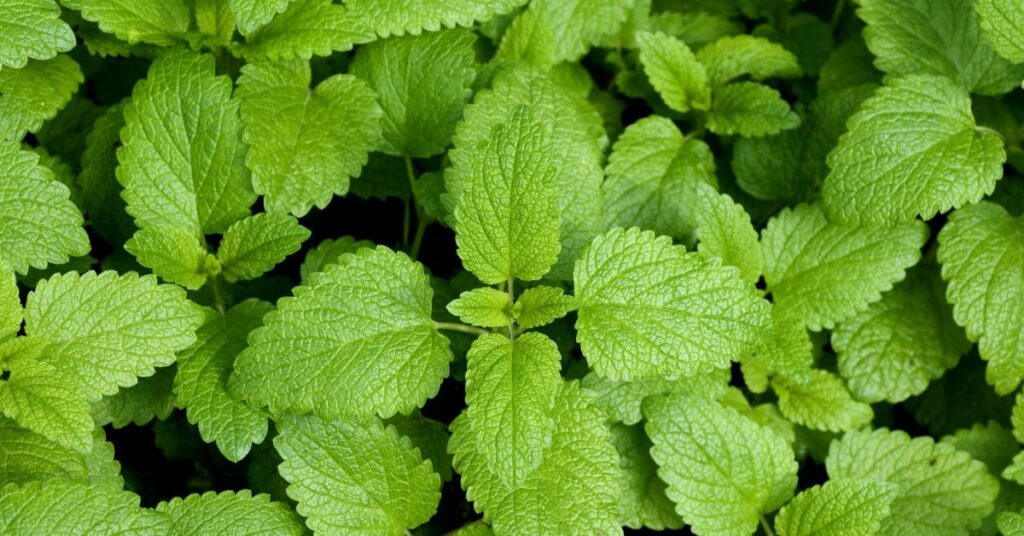
In the treatment of sleep disorders, medicinal herbs can provide an effective and gentle long-term solution. They do not force the body into sleep but help restore its natural rhythm.
Valerian offers stronger support, hops can complement its effects, while lemon balm provides a gentler, everyday solution. With conscious and regular use, not only can falling asleep become easier, but sleep quality may also improve sustainably.