

Lower abdominal cramps, lower back tension, and the feeling that you’d rather sleep through the first days? Menstrual pain returns month after month for many women, yet few realize that certain essential oils can specifically help relieve cramps and tension. When used properly, they not only promote relaxation but can also provide real, noticeable support during these days.
Why can essential oils help with menstrual pain?
Menstrual pain is most commonly caused by spasmodic contractions of the uterine muscles. Some essential oils have antispasmodic, pain-relieving, and calming properties, meaning they can support the body in multiple ways.
Their effects are not limited to the skin: their aroma also influences the nervous system, which may help promote relaxation and reduce the perception of pain. This can be especially helpful during days when physical symptoms are accompanied by emotional tension.
How to use essential oils safely
Essential oils should always be used diluted — never apply them directly to the skin. Suitable carrier oils include jojoba oil, almond oil, olive oil, grapeseed oil, coconut oil, or sesame oil.
General ratio:
1 tablespoon of carrier oil + 4–5 drops of essential oil
Gently massage the mixture into the lower abdomen or lower back.
Before using any new essential oil, always perform a patch test: apply a small amount to a small area of skin and wait at least 1 hour. If no irritation occurs, it can then be used on larger areas.
Chamomile essential oil – when cramps and tension occur together
Chamomile essential oil (Aetheroleum chamomillae) is derived from the dried flower heads of Matricaria recutita. Its characteristic deep blue color comes from chamazulene.
Its main active compounds — chamazulene, alpha-bisabolol, coumarins, and flavonoids — have strong anti-inflammatory, antispasmodic, and pain-relieving effects.
During menstruation, it may help relax spasmodic muscles, thereby reducing lower abdominal pain. Its calming properties may also help relieve tension, which often accompanies these days.
It may cause mild skin irritation, so it should always be used in diluted form.

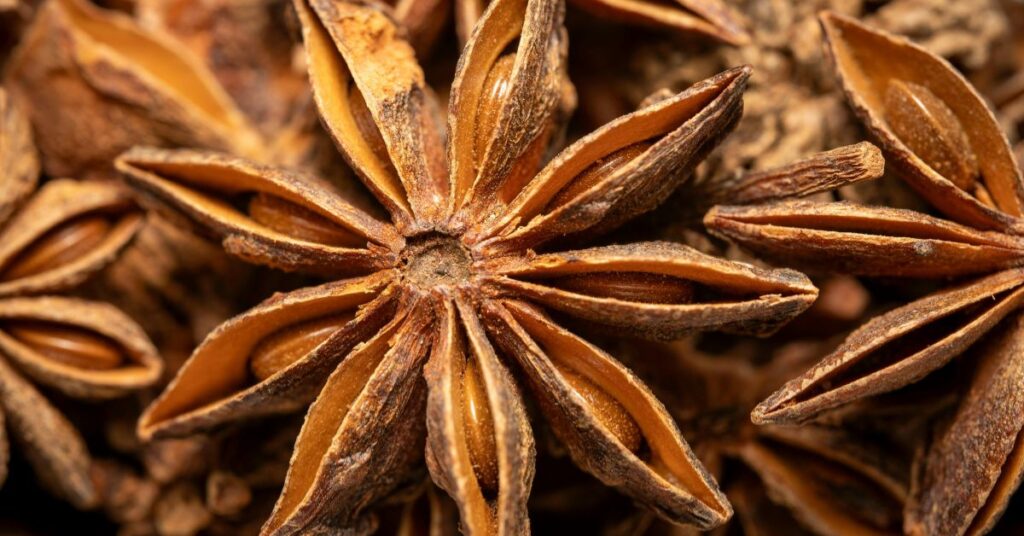
Anise essential oil – targeted support for cramps
Anise essential oil (Aetheroleum anisi) is derived from the fruit of Pimpinella anisum. Its main active compound is trans-anethole, which has antispasmodic properties and may also influence the female cycle.
It may help relieve menstrual cramps and may also provide support in cases of irregular cycles.
However, caution is important: it should not be used during pregnancy, in liver disease, or in cases of alcohol-related problems. It is not recommended to use together with paracetamol and should not be applied to damaged skin.
Fennel essential oil – supporting hormonal balance
Fennel essential oil (Aetheroleum foeniculi) is derived from the fruit of Foeniculum vulgare. Its main active compounds — trans-anethole, fenchone, and estragole — contribute to its antispasmodic effects.
In cases of menstrual pain, it may help relieve lower abdominal cramps and support the proper functioning of the female cycle.
It may mildly irritate the skin and mucous membranes, so it should always be used diluted.

How to use it in practice
Prepare a simple massage oil:
1 tablespoon of carrier oil
4–5 drops of essential oil (can be combined)
Massage gently into the lower abdomen 1–2 times daily. The effect may be enhanced when combined with a warm compress or heating pad.
Menstrual pain does not have to affect your days the same way every month. Properly used essential oils may help reduce cramps, relieve tension, and support the body’s natural balance.
Chamomile, anise, and fennel essential oils each contribute in different ways to symptom relief. When used consciously and regularly, they can provide real support during more difficult days.